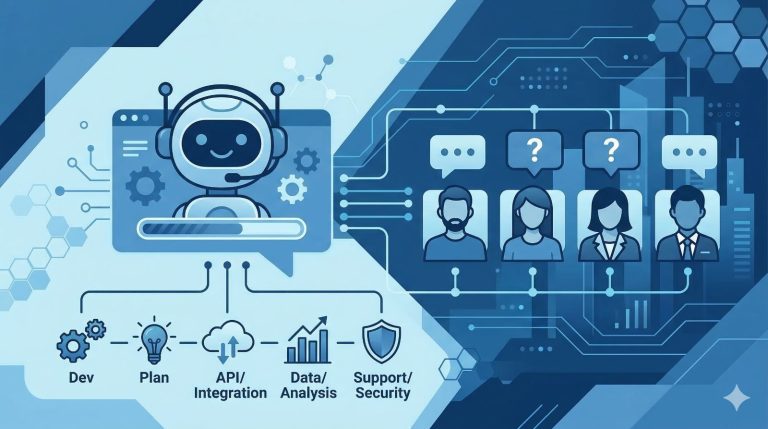
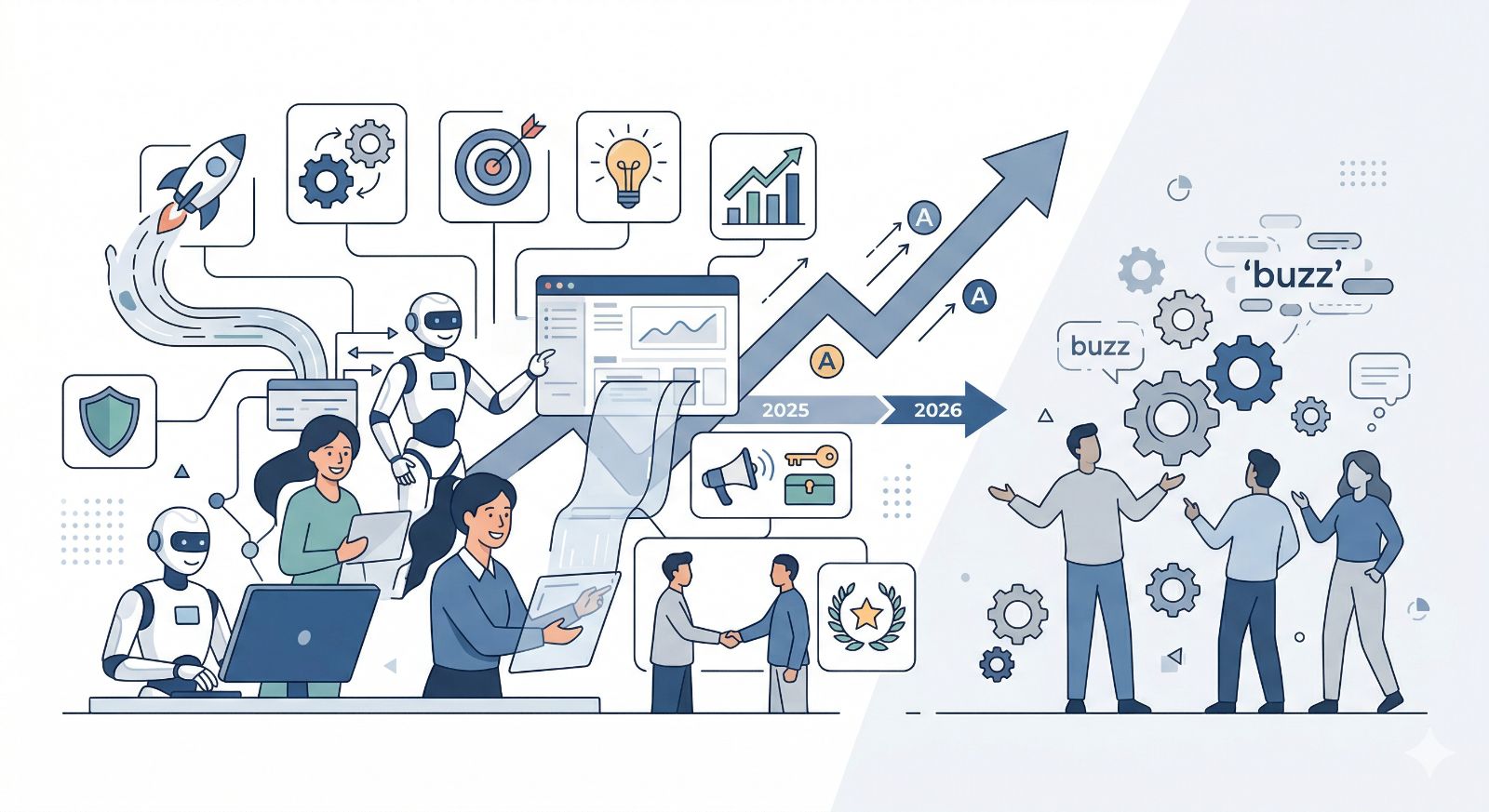
Agentic AI as a Service is the fastest-moving category in enterprise technology right now – and the gap between organizations that deploy it thoughtfully and those that treat it as a buzzword is already measurable in revenue, headcount efficiency, and customer satisfaction scores.
This guide is not a surface-level overview. It is a practitioner-grade breakdown of how agentic AI works as a managed service, why it outperforms legacy automation, how to evaluate vendors, and how to deploy in a way that survives contact with real data, real compliance teams, and real customers. Every section builds on the last so you leave with a complete picture, not a collection of isolated tips.
Launch agentic chat marketing in minutes with ChatbotX














Agentic AI as a Service: What It Is and Why It Matters
Defining Agentic Autonomy
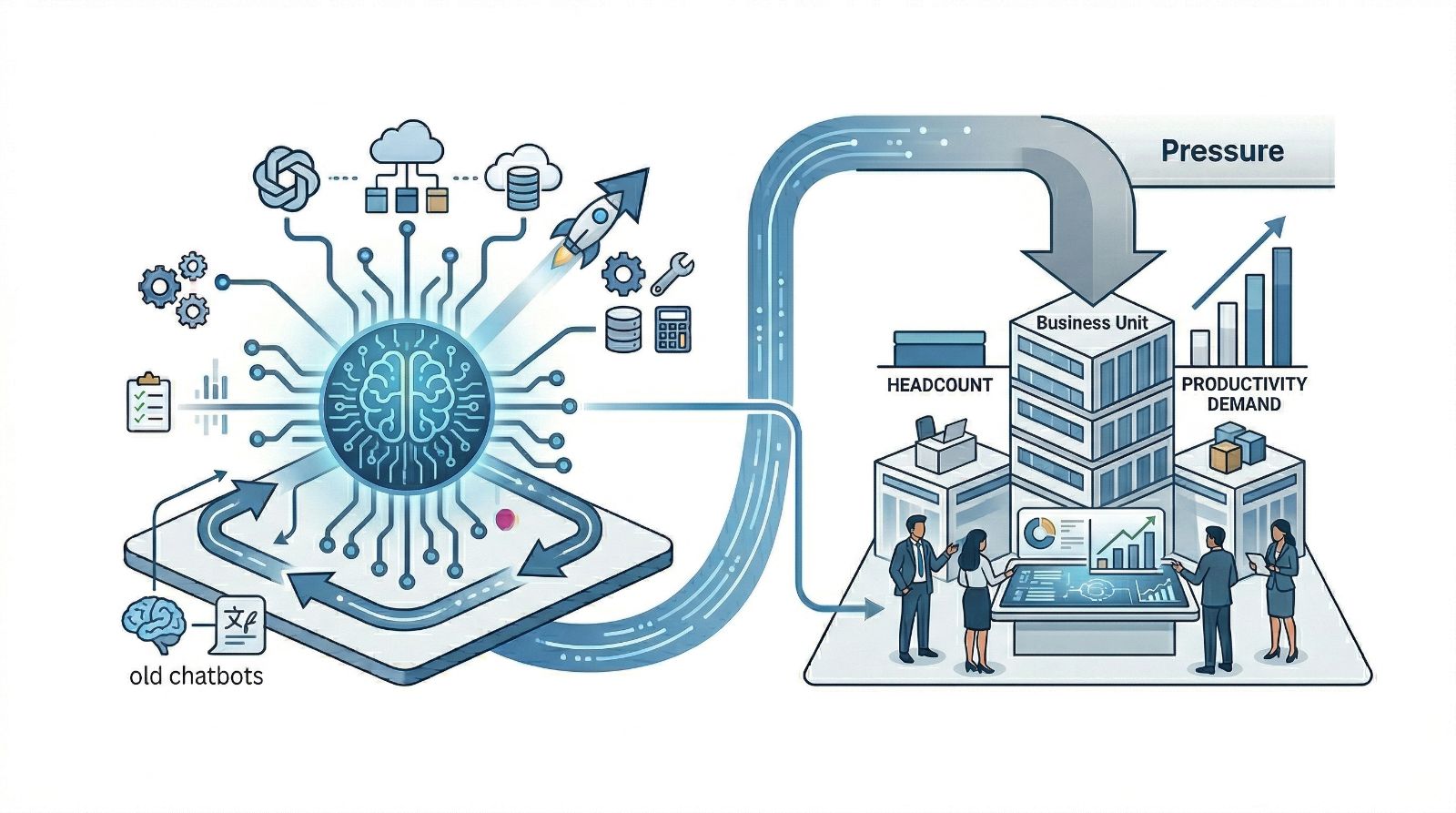
Unlike a traditional chatbot that follows a fixed script, an agentic AI system can interpret open-ended objectives, reason across knowledge sources, and select the best next action without requiring step-by-step instructions. These agents combine large language model reasoning, external tool execution, and reflective feedback loops – enabling them to plan, act, evaluate the result, and course-correct, much like a trained analyst would.
Delivered as a service, this capability arrives packaged with governance wrappers, usage metering, and prebuilt integrations. That packaging means teams can deploy working agents in days rather than months, without building inference infrastructure or managing model hosting. Every action is logged against policy metadata, keeping deployments auditable and compliant with frameworks cited by Gartner as the minimum standard for enterprise-grade AI governance.
Before investing in a full agentic platform, teams new to the space often benefit from understanding the foundational layer first. What Is an AI Chatbot? Benefits and How to Deploy One Effectively for Your Business provides a clear baseline on how AI-driven conversation systems work, which directly informs how to scope agentic deployments above that layer.
The Subscription Economics
Agentic AI as a Service shifts capital expenditure into predictable operational spend, which finance leaders appreciate because it ties cost directly to usage – not to infrastructure provisioned in anticipation of demand. Providers expose consumption metrics per workflow, so a COO can prune low-value automations and reallocate budget toward agents tied directly to revenue KPIs.
The commercial model typically exposes three levers: elastic concurrency so seasonal peaks do not force additional license purchases; usage-based pricing for inference compute, vector storage, and premium reasoning modes; and outcome accelerators – prebuilt playbooks for support, marketing, and supply chain operations that compress time-to-value.
Benchmarking utilization weekly turns billing data into strategic guidance. Identifying which playbooks consistently hit SLAs versus which ones accumulate human escalations is one of the fastest ways to direct the next iteration of agent design.
How It Compares to SaaS and PaaS
The table below clarifies where agentic AI fits within the broader technology stack – a distinction that shortens procurement conversations considerably.
| Model | Primary Value | Degree of Control | Typical Buyers | Example Platforms |
|---|---|---|---|---|
| SaaS | Complete workflow application with UI and reporting | Minimal beyond settings | Line-of-business managers | Salesforce, Mailchimp, Google Workspace |
| PaaS | Environment for building and deploying applications | High over code, limited over infrastructure | Engineering and product teams | AWS Elastic Beanstalk, Google App Engine |
| Agentic AI as a Service | Autonomous agents integrating into existing systems via APIs | Configuration over goals, policies, and tools – no infrastructure lift | Operations, CX, and digital transformation leaders | Omnichannel AI agent platforms, industry copilot suites |
The critical advantage is that agentic AI does not require replacing the CRMs, ERPs, or data warehouses already in production. It layers intelligent execution on top of them through APIs, which keeps data gravity intact and reduces retraining costs for staff.
Note: Aligning SaaS, PaaS, and agentic AI contracts before procurement prevents redundant data movement fees and simplifies compliance audits when multiple systems touch the same customer records.
Market Dynamics and Strategic Positioning
Why Enterprise Adoption Is Accelerating
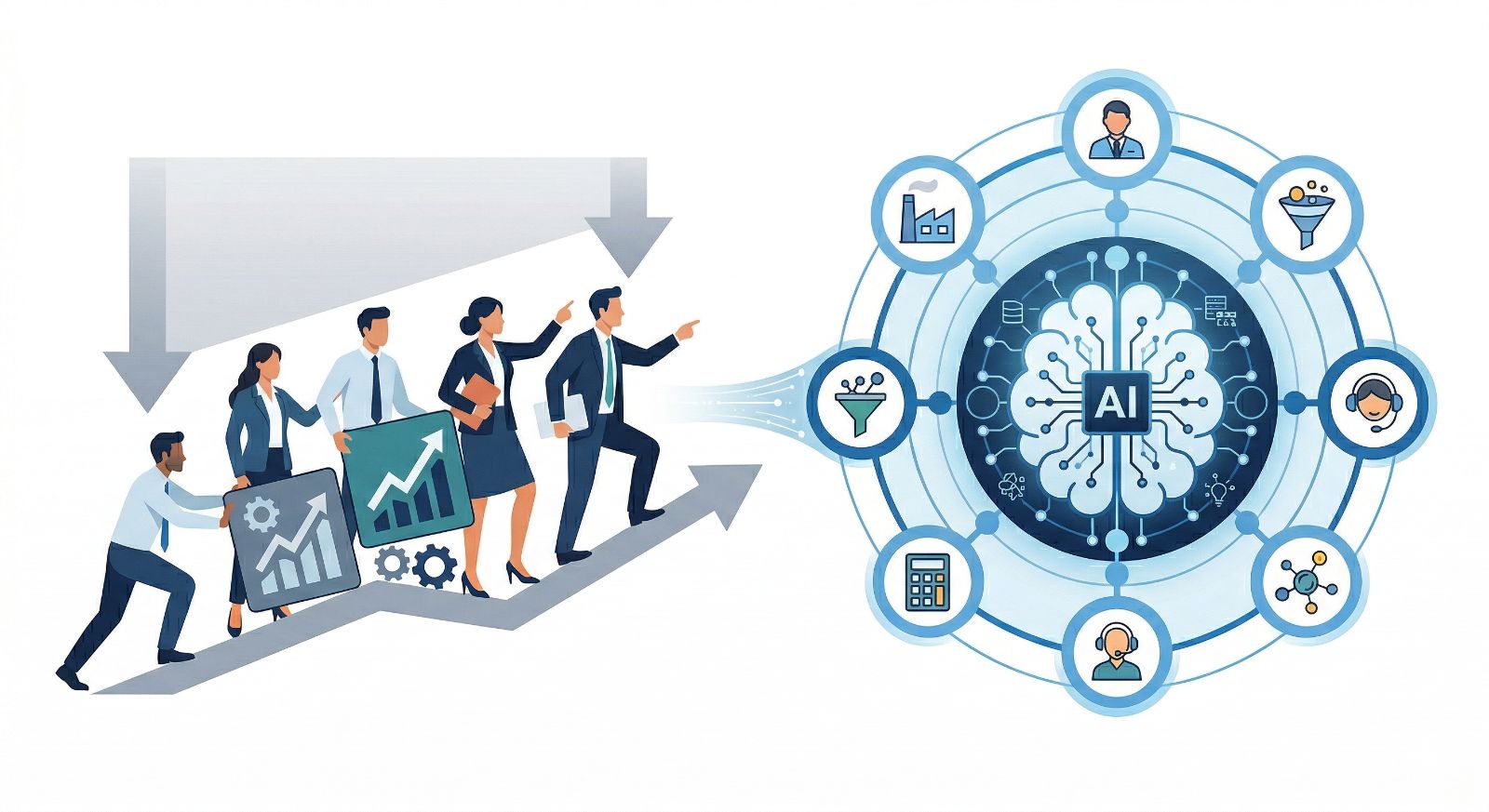
Business units are under persistent pressure to do more with flat headcount. Agentic AI as a Service addresses that pressure directly because it is designed to launch quickly against specific workflows rather than requiring months of platform configuration.
According to McKinsey research, top-performing organizations that move AI beyond isolated pilots capture up to 20 percent EBIT uplift – a figure that makes executive sponsorship substantially easier to secure when presenting to finance committees. Midmarket retailers deploy agentic models to stretch lean teams, global banks use policy-governed agents to navigate regulatory complexity, and even early-stage startups adopt the service model to avoid building AI infrastructure they cannot yet staff.
The Competitive Vendor Landscape
Vendors in this space fall into three archetypes: cloud hyperscalers offering flexible toolkits, vertical specialists embedding agents directly into domain workflows, and boutique systems integrators building bespoke configurations. Each succeeds by demonstrating credibility on data residency, observability, and governance – the three questions boards now ask before signing.
For a comprehensive breakdown of how to evaluate AI platforms against each other, including the mistakes most organizations make when selecting vendors, AI Chatbot Strategy 2026: Trends, Platform Comparison and Mistakes to Avoid provides one of the most structured comparison frameworks available for 2026.
Board-Level Metrics That Sustain Investment
Boards approve continued AI investment when they see crisp dashboards connecting agent activity to business outcomes – not just technical performance metrics. The leading indicators that resonate most strongly are automation coverage (tasks handled per process), decision confidence scores, and variance between AI-guided forecasts and actual results.
Linking those metrics directly to financial statements is what transforms a proof of concept into a funded program. When ARR expansion or margin protection can be attributed to agent-driven workflows, funding cycles accelerate and innovation teams gain greater operating autonomy.
Core Architecture: What Powers an Agentic AI Service
Data and Knowledge Infrastructure
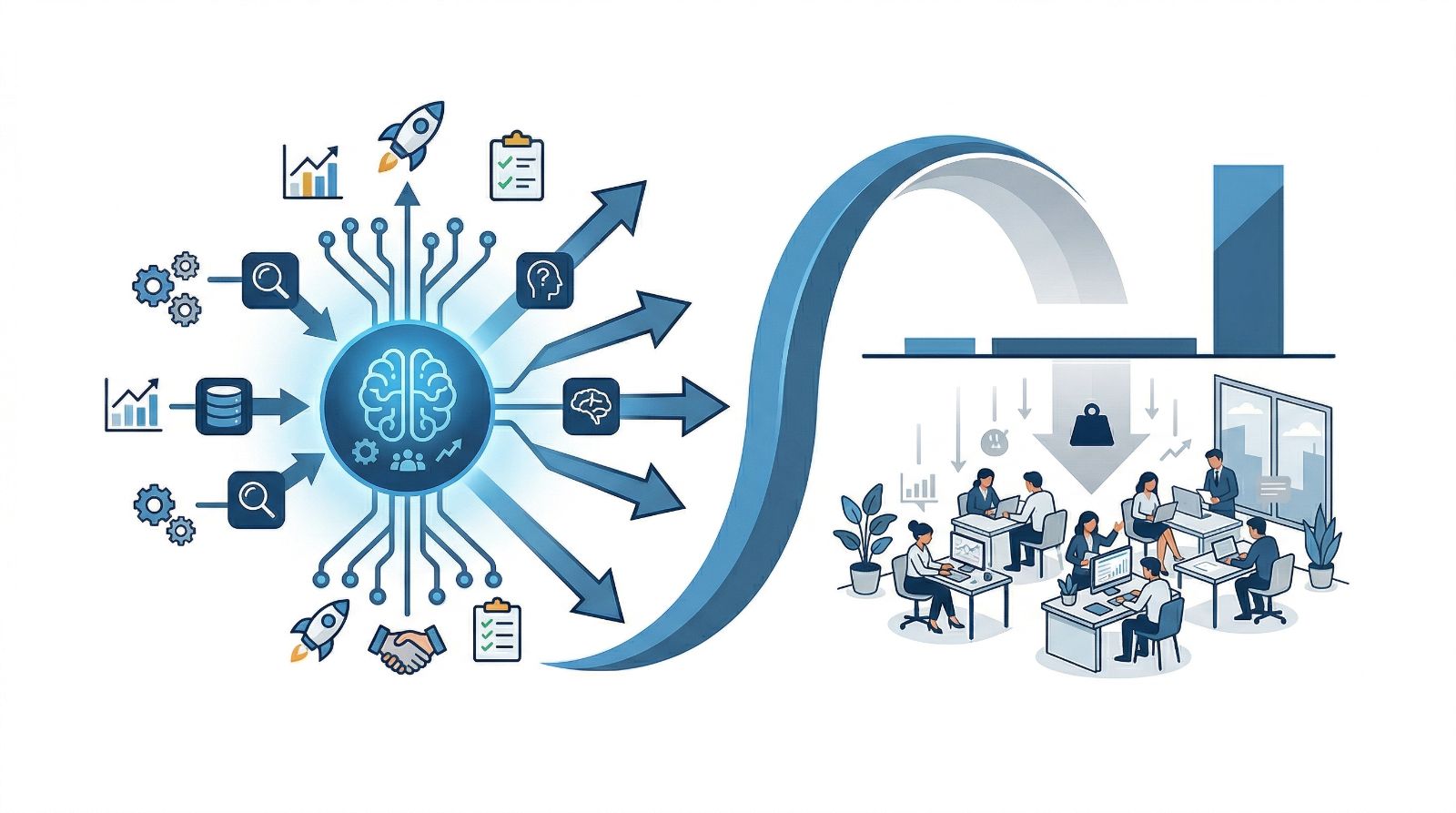
Agentic systems require unified data access before they can act intelligently. That means mapping operational systems, data warehouses, and event streams before onboarding – not after. Vector databases capture unstructured intelligence for retrieval-augmented generation (RAG), while event buses keep transactional context synchronized in near real time.
High-performing deployments enrich agents with domain ontologies and policy-encoded memory, connected to scalable cloud computing resources to keep inference latency predictable under variable demand. Data quality pipelines that enforce validation at ingestion prevent the “garbage in, garbage out” failure mode that undermines agent trust.
The Orchestration Stack
A reference architecture layers secure API gateways, agent controllers, and tool catalogs. Controllers assign tasks, evaluate intermediate outputs, and escalate to humans through collaboration hubs like Slack or Microsoft Teams. Each layer must align with zero-trust access principles to remain audit-ready.
Observability pipelines track prompt inputs, reasoning chains, and system usage, supporting A/B testing, bias detection, and model lifecycle management. For organizations deploying agents across multiple customer-facing channels – web, mobile, and messaging apps – a unified orchestration approach that treats all channels consistently is critical. The 2026 Omnichannel Chatbot Strategy: A 7-Step Optimization Guide for Effective Cross-Platform Messaging and Customer Conversion outlines how leading teams structure that cross-channel orchestration layer in practice.
Build Natively vs. Partner Integration: The Decision Framework
| Native Build | Partner Integration | |
|---|---|---|
| Pros | Deep customization around proprietary algorithms and data governance; release cycles aligned with internal change windows | Accelerated onboarding; access to pre-certified connectors; shared SLA and compliance responsibility |
| Cons | Longer lead times to hire multi-agent engineers; full ownership of uptime, compliance, and tooling refreshes | Less roadmap influence; potential revenue sharing that affects unit economics |
For most organizations outside of hyperscaler scale, partner integration is the faster and lower-risk path to a first production deployment. The native build conversation becomes relevant once agentic AI has proven ROI in two or three workflows and the organization has developed internal model governance competency.
Operational Benefits and KPI Impact

Cost Optimization and Productivity Uplift
When agentic AI handles tier-one support tickets, finance reconciliation, or compliance document review, teams typically redeploy 20 to 30 percent of previously manual hours toward analysis and strategic work. That reallocation accelerates backlogs without proportional headcount increases and gives managers the flexibility to absorb seasonal demand spikes without emergency hiring.
Benchmark KPIs to track from day one include cost per contact, tickets closed per agent-hour, and cycle-time compression on high-volume processes like invoice approvals. Consistent reporting against these baselines builds the CFO trust necessary to fund the next deployment phase.
Revenue and Customer Experience Outcomes
Revenue teams see faster lead response times and higher conversion rates when agents personalize outreach at scale. Intelligent agents can craft contextual offers, follow up on abandoned cart signals, and trigger replenishment nudges that lift average order value – all without adding load to the sales team.
Customer satisfaction improves when conversations stay consistent across channels. Embedded sentiment analysis surfaces friction points before they escalate to churn. For a structured view of how AI capabilities translate into measurable experience improvements, 13 Ways AI Improves Customer Experience in 2026 covers the full spectrum from response time reduction to proactive service design.
Risk Management and Compliance
Regulated industries value agentic AI precisely because every action carries traceability metadata that preserves legal defensibility. Agents can enforce policy templates, flag contract anomalies, and document remediation in a format auditors can review. Security teams layer zero-trust controls, role-based access, and encryption at rest and in transit to keep deployments within compliance boundaries.
Use Cases Across Industries
E-commerce and Retail: 24/7 Engagement at Scale
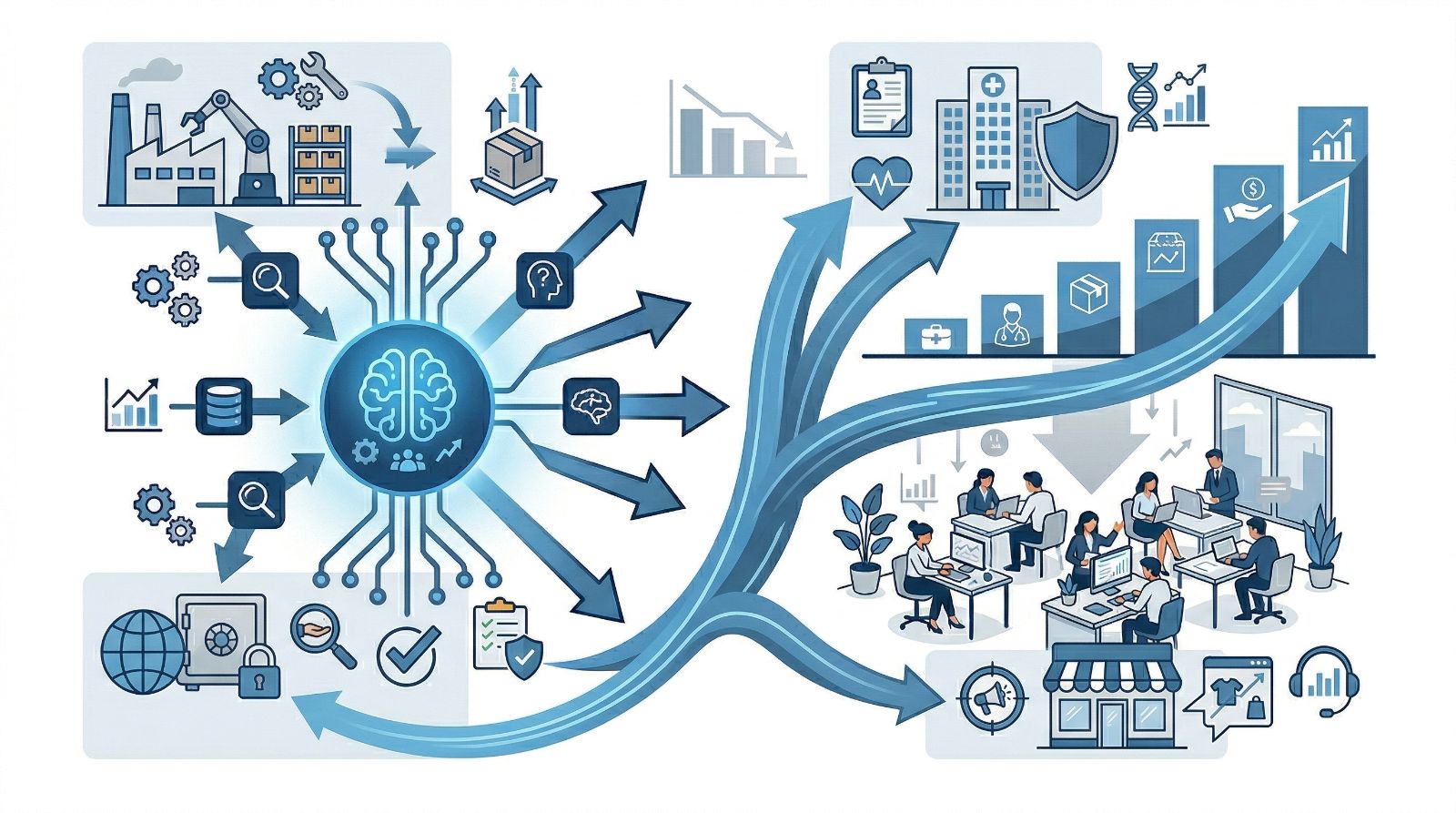
Retail deployments unify merchandising, marketing, and service into a single intelligent layer. Agents monitor browsing behavior, generate offer copy, and orchestrate fulfillment updates with round-the-clock availability – so brands can respond to viral demand spikes without war rooms or overtime escalations.
High-value retail capabilities include automated concierge support handling returns and loyalty inquiries via messaging apps, merchandising agents that adjust product bundles based on sell-through velocity, and inventory monitors that alert planners before low-stock situations collide with live campaigns.
This is exactly the workflow where ChatbotX delivers immediate value for retail and e-commerce teams. Its built-in AI Agents, Smart Broadcast, and Drip Campaign flows automate the full customer engagement lifecycle across WhatsApp, Messenger, Zalo, and WebChat – from first touchpoint to post-purchase follow-up – without requiring custom engineering for each channel. For teams building out the customer-facing layer of an agentic stack, Customer Care Chatbot Development: The Complete 2026 Guide for Businesses provides the architecture and deployment detail to do it right.
Pro Tip: Pair agentic AI with experimentation platforms to test message variants at volume and capture statistically significant conversion uplifts before committing to a single approach.
Healthcare and Life Sciences
Clinicians deploy agents to transcribe consultations, summarize longitudinal patient histories, and prioritize cases by acuity – freeing medical staff for direct patient care rather than documentation. Research teams feed de-identified clinical data into agents that surface trial candidates or synthesize literature reviews in minutes.
Workflow accelerators in this vertical include automated prior authorization, revenue cycle coding, patient outreach in multiple languages, and virtual nursing station monitoring with defined escalation protocols. Strict audit logs maintain regulatory trust at every step.
Financial Services
Banks and insurers use agentic AI for omnichannel customer servicing, credit decisioning, and real-time fraud monitoring. Agents compare transactions against behavioral baselines, escalate anomalies, and document remediation pathways – compressing dispute resolution timelines significantly.
Underwriting copilots aggregate telematics data, loss histories, and regulatory bulletins to accelerate quote generation without sacrificing risk scrutiny. Claims intake, policy servicing, and retention campaigns can all be orchestrated through the same agent framework.
Manufacturing and Supply Chain
Agentic systems synchronize production plans with logistics networks by ingesting ERP signals, IoT sensor data, and weather intelligence simultaneously. Agents recommend shipment rerouting, maintenance schedule adjustments, or commodity hedging before disruptions become costly.
Quality teams deploy computer-vision copilots to detect defects earlier in the production cycle, reducing scrap rates and warranty costs. Digital twins paired with agents allow planners to test scenario shocks and make resilient decisions before committing resources.
Implementation Roadmap and Governance
Four Maturity Stages
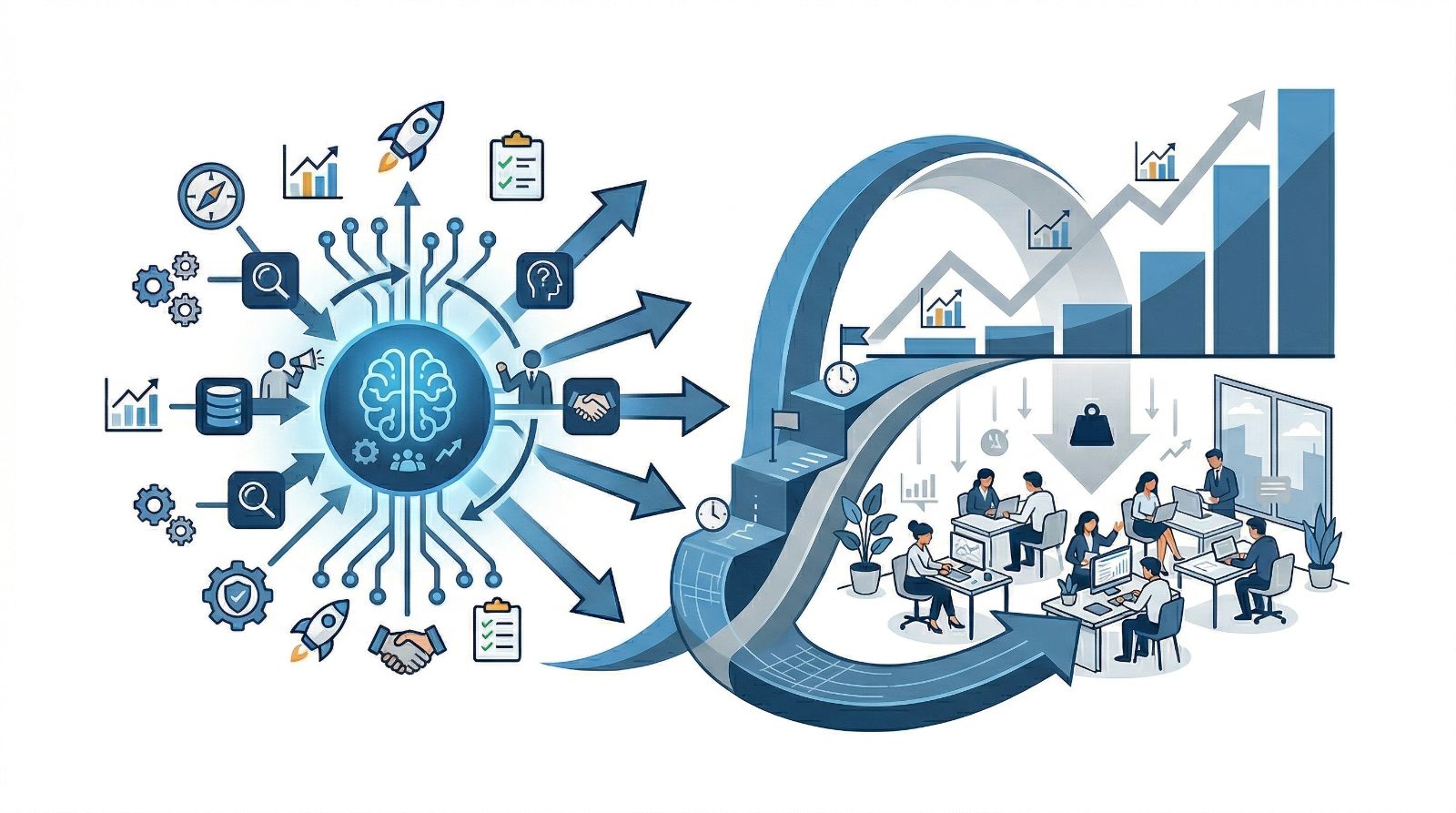
Organizations that sustain agentic AI programs long-term consistently follow a phased approach that balances experimentation with governance from the beginning.
- Discovery – Inventory candidate workflows, assess data availability, and map compliance constraints before selecting a platform
- Pilot – Launch one constrained use case with clear baselines, defined success metrics, and human-in-the-loop safeguards throughout
- Expansion – Integrate agents with core systems, scale observability, and formalize runbooks so institutional knowledge is not locked in individuals
- Institutionalization – Establish AI governance structures, live KPI dashboards, and continuous training cycles to sustain competitive advantage over time
Each milestone should explicitly reconnect to enterprise OKRs so budget protection does not depend on executive memory.
Warning: Skipping the discovery documentation phase is the single most common cause of rework. When security or procurement teams surface unresolved data governance questions six months into a rollout, the cost of remediation is far higher than the cost of addressing them upfront.
Change Management and Talent Development
Agentic AI delivers maximum value when humans and machines collaborate by design – not by accident. Learning and development teams should offer role-based training alongside prompt engineering workshops so staff understand both what agents do and how to guide them effectively.
Communities of practice that document successful prompts, escalation patterns, and workflow optimizations accelerate knowledge sharing across business units. Incentivizing cross-functional squads reduces shadow IT and keeps the broader organization aligned with the governance model rather than working around it.
Monitoring, Ethics, and Continuous Improvement
Sustained value requires telemetry pipelines that detect model drift, hallucinations, or emerging bias patterns before they affect customers or audit outcomes. Teams should configure model scorecards, SLA alerts, and automated rollback paths from the beginning of the pilot phase – not after an incident makes the gap obvious.
Ethics councils reviewing data provenance, consent status, and fairness metrics should be tied to corporate ESG commitments so agentic AI reinforces brand trust rather than creating reputational exposure. Publishing transparency reports on agent behavior and governance controls increasingly differentiates mature programs from their competitors in the eyes of enterprise buyers and regulators alike.
Frequently Asked Questions
How does agentic AI as a service differ from standard chatbots?
Standard chatbots follow predefined scripts and can only respond to anticipated inputs. Agentic AI systems can plan multi-step workflows, invoke external tools, coordinate with other systems, and adapt when circumstances change – all within policy-defined guardrails. The service delivery model adds managed monitoring, governance, and integrations so organizations get a sustained capability rather than a single interface to maintain.
What infrastructure prerequisites are needed?
The core requirements are secure API access to systems of record, clear data governance policies, and an identity management layer aligned with zero-trust principles. Observability stacks should be in place before onboarding so agent behavior can be monitored from day one. Once these foundations exist, most service providers can provision working sandboxes within days.
How should organizations measure ROI?
Tie every deployment to a specific baseline metric – cost per ticket, revenue per customer, or cycle time for a defined process. Compare pre- and post-agent performance over a consistent period, then factor in subscription fees to calculate contribution margin. Mature programs also quantify qualitative gains such as employee satisfaction improvements when agents remove high-volume repetitive work from team queues.
Can small and midsize businesses deploy agentic AI affordably?
Yes. Consumption-based pricing and prebuilt playbooks mean SMBs can start with a single workflow and expand as value is proven. Platforms designed for fast deployment – like ChatbotX, which offers a 7-day free trial across all channels with no credit card required – let smaller teams validate the model against real customer interactions before committing to a subscription. For teams evaluating where to start, the Cross-Platform Chatbots: The Definitive 2026 Guide for Unified Customer Experience covers how to structure a multi-channel deployment that scales with the business.
The Teams That Move First Will Compound the Advantage
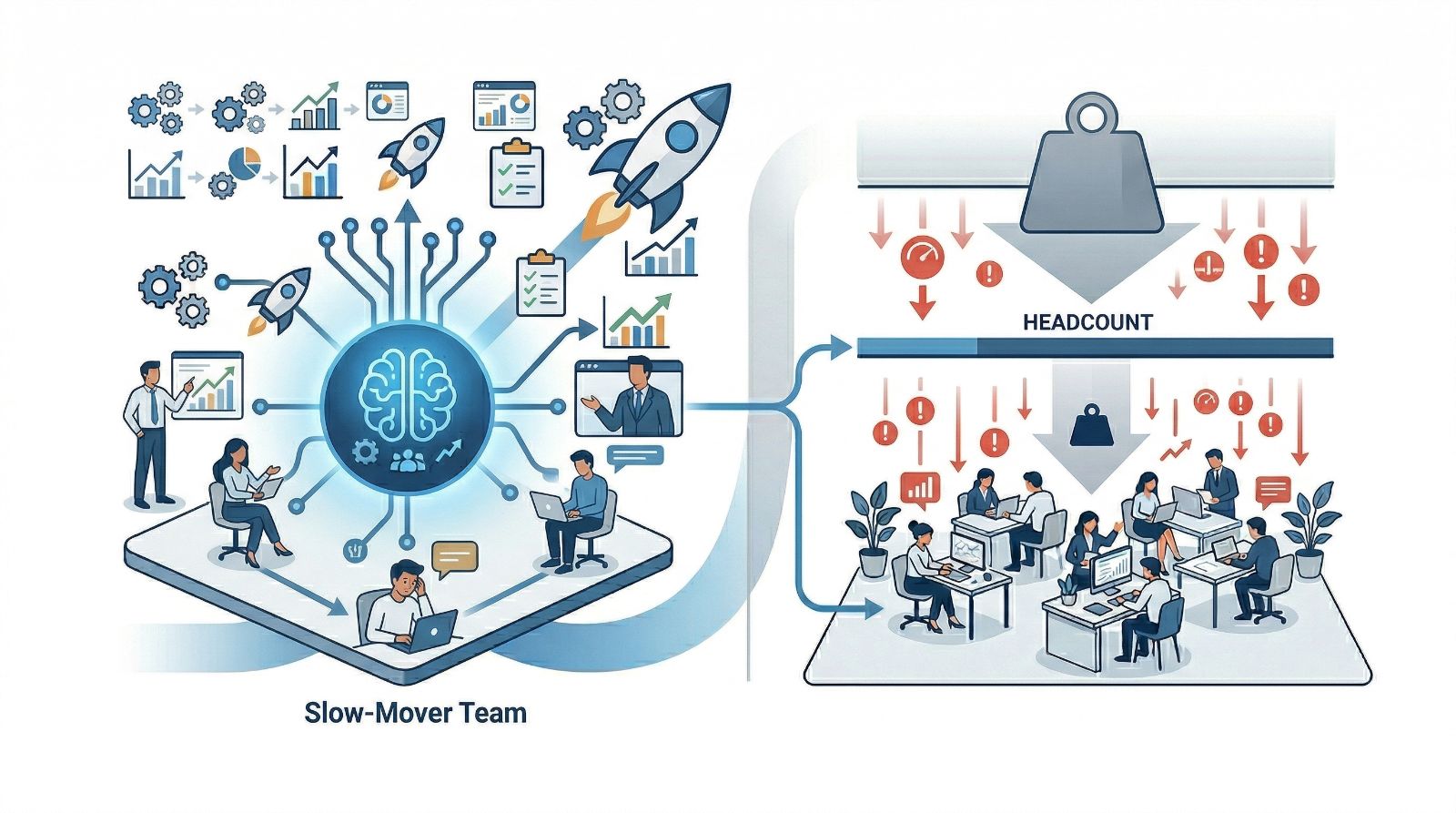
Agentic AI as a service is not a future capability on a technology roadmap. It is a production-ready model that the most competitive organizations are deploying against real workflows right now – in customer support, sales follow-up, supply chain monitoring, and financial compliance.
The window to build an early compounding advantage is open, but it narrows as deployment timelines compress and competitors catch up. The organizations that will look back on 2026 as a defining year are the ones that choose a governance-first deployment path, connect agents to systems that matter, and measure outcomes with the same rigor they apply to any other revenue-critical investment.
If the first agentic layer you want to build is customer-facing messaging – the highest-volume, highest-visibility, and most immediately measurable workflow in most organizations – ChatbotX is the fastest responsible path to production. Its open-source omnichannel AI Agents deploy across WhatsApp, Messenger, Zalo, and WebChat from a single platform, with built-in flow automation, unified inbox management, and contact segmentation that makes the first deployment measurably useful from week one.
Start your free 7-day trial on ChatbotX → Full platform access. No credit card required.