Quick Summary: An AI chatbot is software that uses artificial intelligence to automatically communicate with customers in real time, 24/7. In 2026, the global AI chatbot market has surpassed $11 billion with nearly 1 billion active users worldwide. Businesses deploying AI chatbots report an average $8 return for every $1 invested and up to 40% reduction in customer service costs.
Launch agentic chat marketing in minutes with ChatbotX











What Is an AI Chatbot? Definition & How It Works
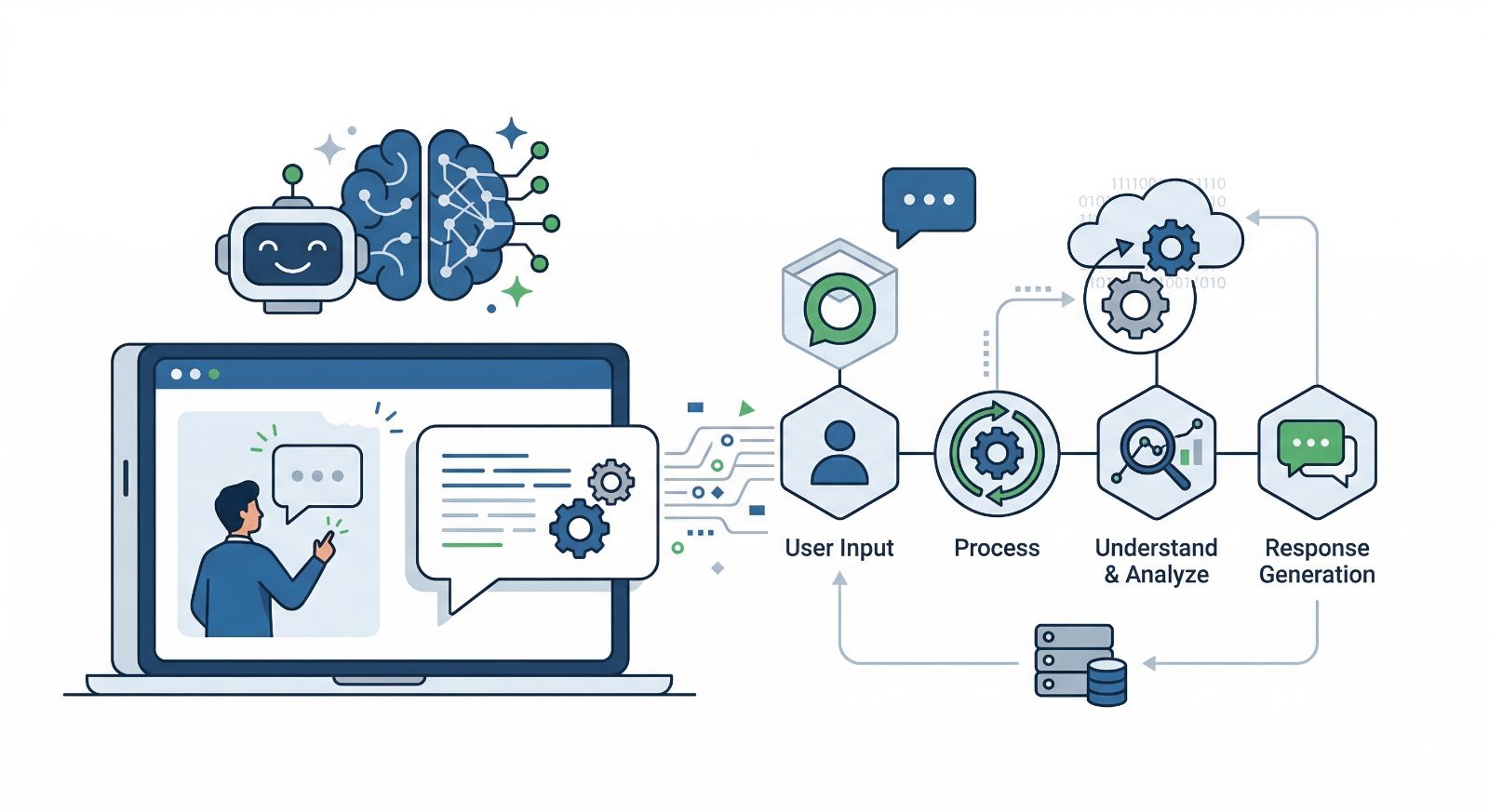
An AI chatbot (short for artificial intelligence chatbot) is a computer program that uses artificial intelligence to simulate natural, intelligent conversations with humans.
Unlike traditional chatbots – which only respond based on fixed scripts – AI chatbots can learn, adapt, and process natural language in real time.
Core Technologies Behind an AI Chatbot
| Technology | Role |
|---|---|
| NLP (Natural Language Processing) | Understands slang, typos, and diverse ways of expression |
| Machine Learning | Automatically improves accuracy with every conversation –how machine learning works → |
| Deep Learning | Comprehends complex context and generates natural responses |
| Intent Recognition | Accurately identifies what the user wants, regardless of phrasing |
| Sentiment Analysis | Detects customer emotions to adjust tone accordingly |
How Is an AI Chatbot Different from a Regular Chatbot?
- Traditional chatbot: Responds based on keywords and rigid scripts; does not learn over time.
- AI chatbot: Understands context, remembers conversation history, personalizes responses, and continuously improves through real-world data.
AI Chatbot vs. Rule-Based Chatbot vs. Human Agent
| Factor | Rule-Based Chatbot | AI Chatbot | Human Agent |
|---|---|---|---|
| Availability | 24/7 | 24/7 | Business hours only |
| Cost per interaction | Low | Low–Medium | High ($5–$25/chat) |
| Handles complex queries | ❌ No | ✅ Partially | ✅ Yes |
| Learns over time | ❌ No | ✅ Yes | ✅ Yes |
| Emotional intelligence | ❌ No | ⚠️ Limited | ✅ Yes |
| Response time | Instant | Instant | 2–10 minutes average |
| Scalability | High | Very High | Low |
| Setup complexity | Low | Medium | High (hiring, training) |
💡 The verdict: AI chatbots fill the gap between rigid automation and expensive human agents – making them the most cost-effective solution for handling 60–80% of routine customer interactions. See how ChatbotX AI Agents handle this in practice →
The Hidden Cost of NOT Having an AI Chatbot
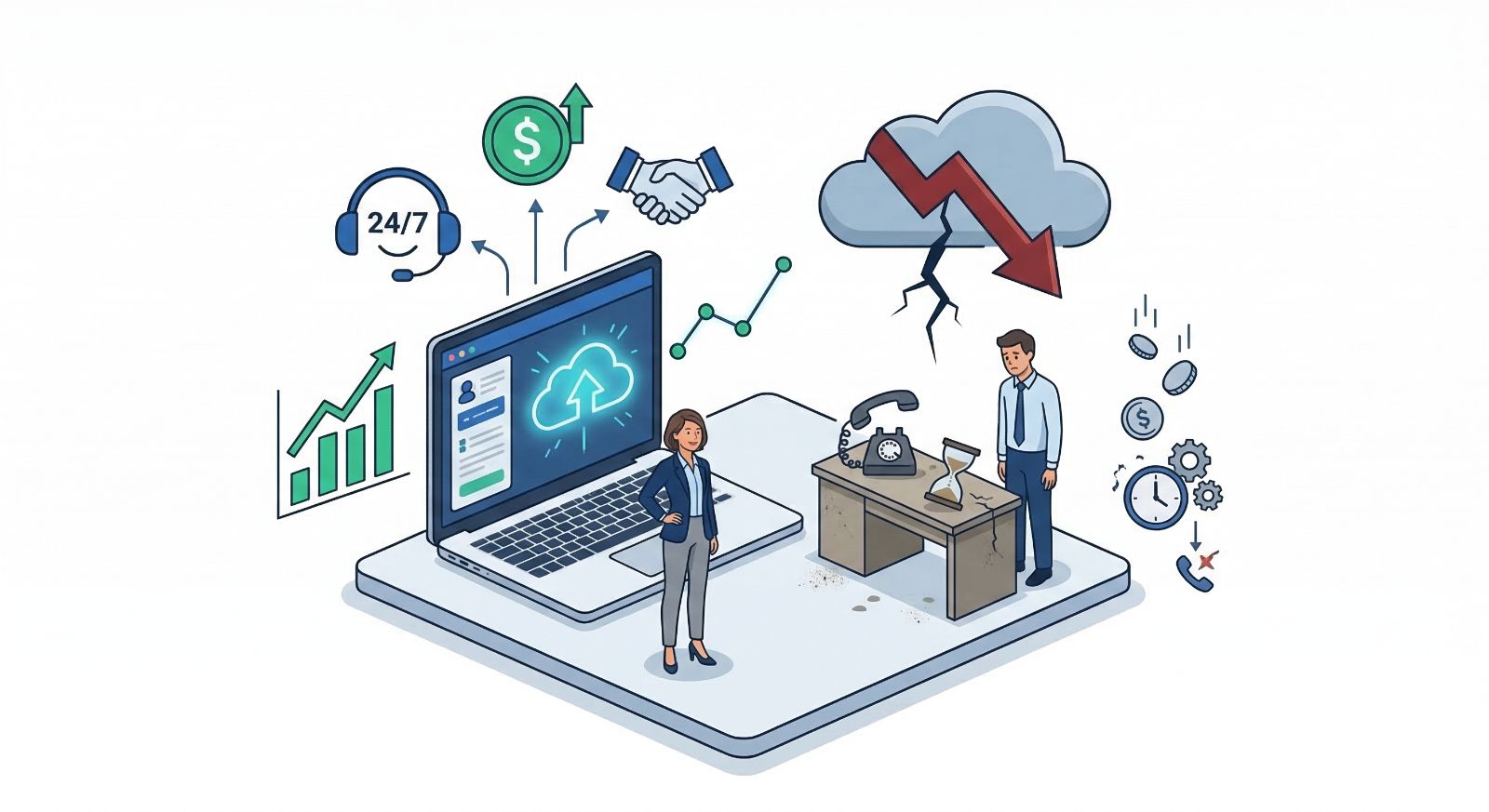
Most businesses calculate the cost of deploying a chatbot. Few calculate the cost of not deploying one.
Here’s what you’re likely losing every month without an AI chatbot:
| Loss Category | Estimated Impact |
|---|---|
| Missed leads (after-hours inquiries unanswered) | 15–30% of total monthly leads |
| Lost sales from slow or no response | 49% of all website interactions now handled by chatbots – static sites fall behind |
| Customer churn from poor experience | 1 in 3 customers switch brands after one bad service experience(PwC) |
| Support team burnout on repetitive queries | 40–60% of agent time spent on FAQs that bots can handle(IBM) |
| Competitor advantage | 91% of companies with 50+ employees already use chatbots – making non-adopters the exception |
| Cost inefficiency | Human support costs $6–$40 per ticket; a chatbot handles the same for $0.50 |
⚠️ The real question isn’t whether you can afford an AI chatbot. It’s whether you can afford to operate without one.
Why Does Your Business Need an AI Chatbot Right Now?
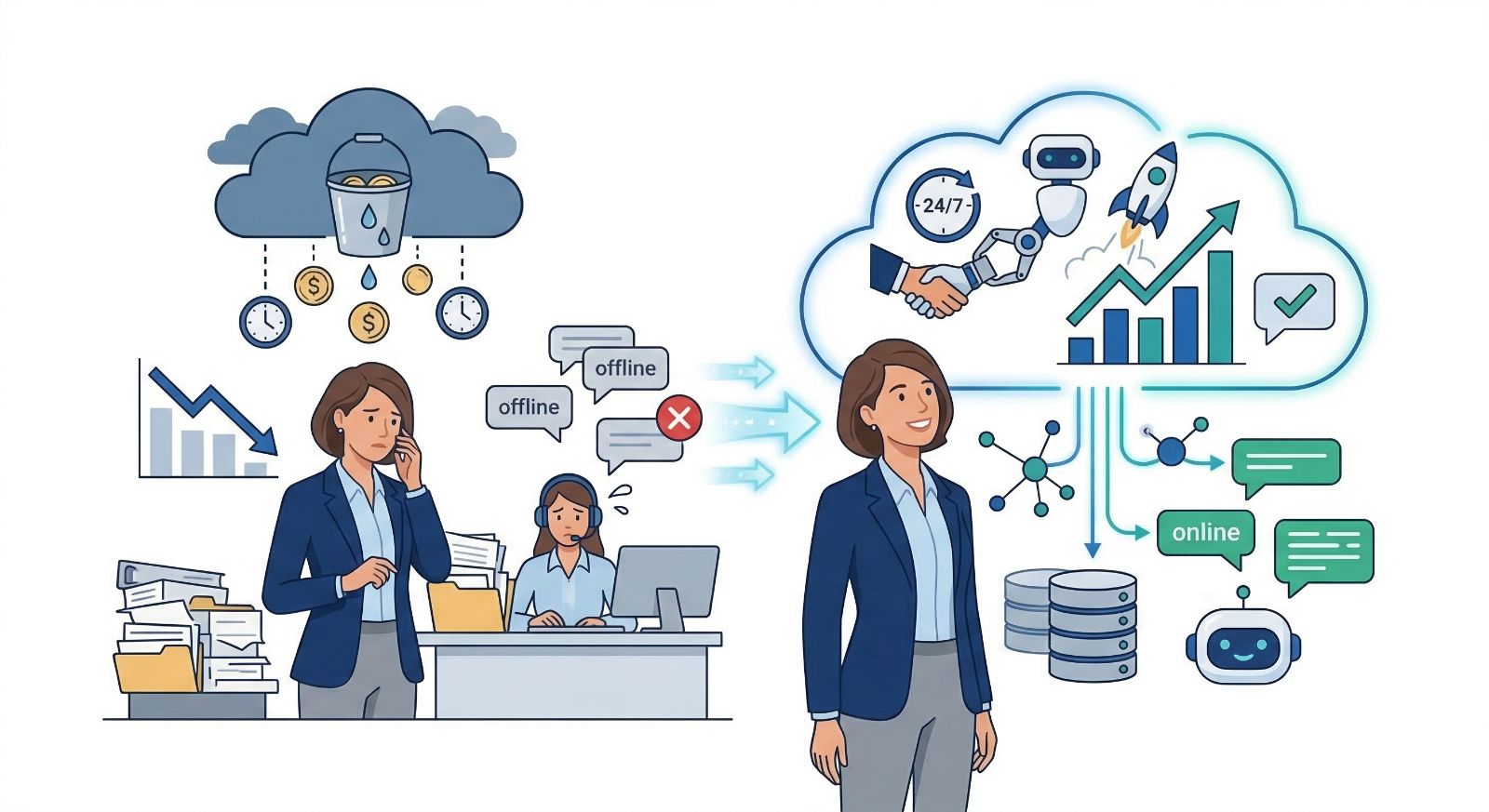
According to Salesforce research, 67% of customers expect an immediate response. That’s why an AI chatbot is no longer a competitive advantage – it’s a baseline requirement.
Benefit 1: 24/7 Uninterrupted Customer Service
Customers can ask questions at 2 AM, on weekends, or on public holidays. An AI chatbot ensures you never miss a sales opportunity.
- Reduces average response time by 45% (Seoprofy, 2026)
- Increases customer satisfaction scores (CSAT) by 22% (Seoprofy, 2026)
- 82% of customers prefer talking to a chatbot over waiting for a human agent (Conversational AI Report, 2026)
All incoming conversations across every channel can be managed from a unified Inbox – so no message gets missed, regardless of where it comes from.
Benefit 2: Significant Reduction in Operating Costs
A single AI chatbot can handle the workload of 3–5 customer service agents – without salaries, training, or sick days.
- Reduces customer support costs by 30–40% by handling routine inquiries automatically
- Average ROI of $8 for every $1 invested, with 148–200% first-year returns
- Break-even point reached within 3–6 months for most deployments
⚠️ Note: Chatbots don’t fully replace humans – they free your team from repetitive tasks so they can focus on higher-value work.
Benefit 3: Higher Conversion Rates and Revenue
An AI chatbot works like a tireless virtual sales rep:
- Personalized product recommendations based on actual customer needs and budget
- Smart upselling & cross-selling – suggesting complementary products naturally
- Reduced cart abandonment by prompting and supporting customers at the right moment
- Automated lead generation – capturing prospect information directly within the conversation
- Proactive outreach via automated broadcast campaigns – reaching leads at the right moment with the right message
58% of businesses deploying AI chatbots report increased sales. Chatbot-powered funnels convert 2.4× more customers than static web forms – and agentic chatbots deliver 3× higher conversion rates with 35% higher average order value.
Benefit 4: High-Quality Customer Data Collection
Every conversation is a goldmine of actionable insights:
- Customers’ real needs and concerns
- Bottlenecks in the buying journey
- Frequently asked questions – the foundation for optimizing website content
- Real-time market trends
Every contact is stored and segmented automatically – explore how ChatbotX Contacts management turns conversation data into a structured customer database.
For the big picture on turning these insights into revenue, read our complete omnichannel chatbot strategy guide
Types of AI Chatbots
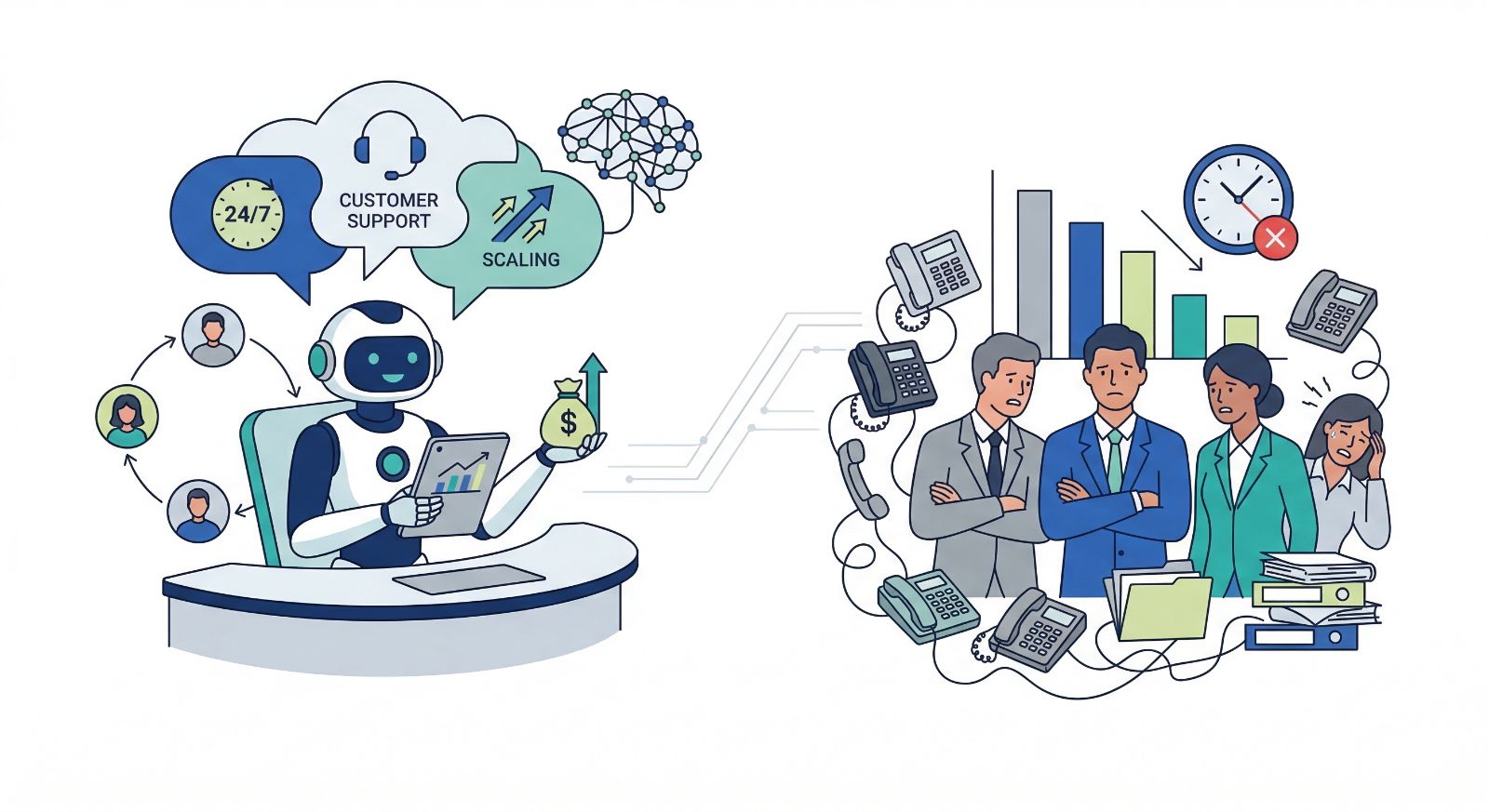
Customer Service Chatbot
The most common type, handling everyday support tasks:
- Answering FAQs and providing basic technical support
- Tracking orders, managing returns and refunds
- Routing requests to the right department
Real-world example: Banking chatbots that help customers check balances, review transaction history, and make fast transfers.
For a complete implementation guide, see: Customer Care Chatbot Development: The Complete 2026 Guide →
Sales Chatbot – Automated Closing
An AI sales assistant focused on converting visitors into customers:
- Automatically qualifying and scoring leads
- Personalizing product recommendations based on browsing behavior
- Scheduling demos and consultations
- Processing orders directly within the chat
Marketing Chatbot – Attract and Nurture Leads
A conversational marketing bot supporting the full funnel:
- Running Messenger Marketing and WhatsApp campaigns with the Broadcasts feature
- Distributing personalized content based on funnel stage
- Hosting interactive quizzes and giveaways to boost engagement
- Collecting emails and phone numbers from prospects
Voice Assistant – AI Voice Chatbot
Uses voice recognition for fully hands-free interaction – ideal for smart devices, elderly users, and those with visual impairments. Statista projects 157.1 million voice assistant users in the US alone by 2026.
AI Chatbot Use Cases by Industry
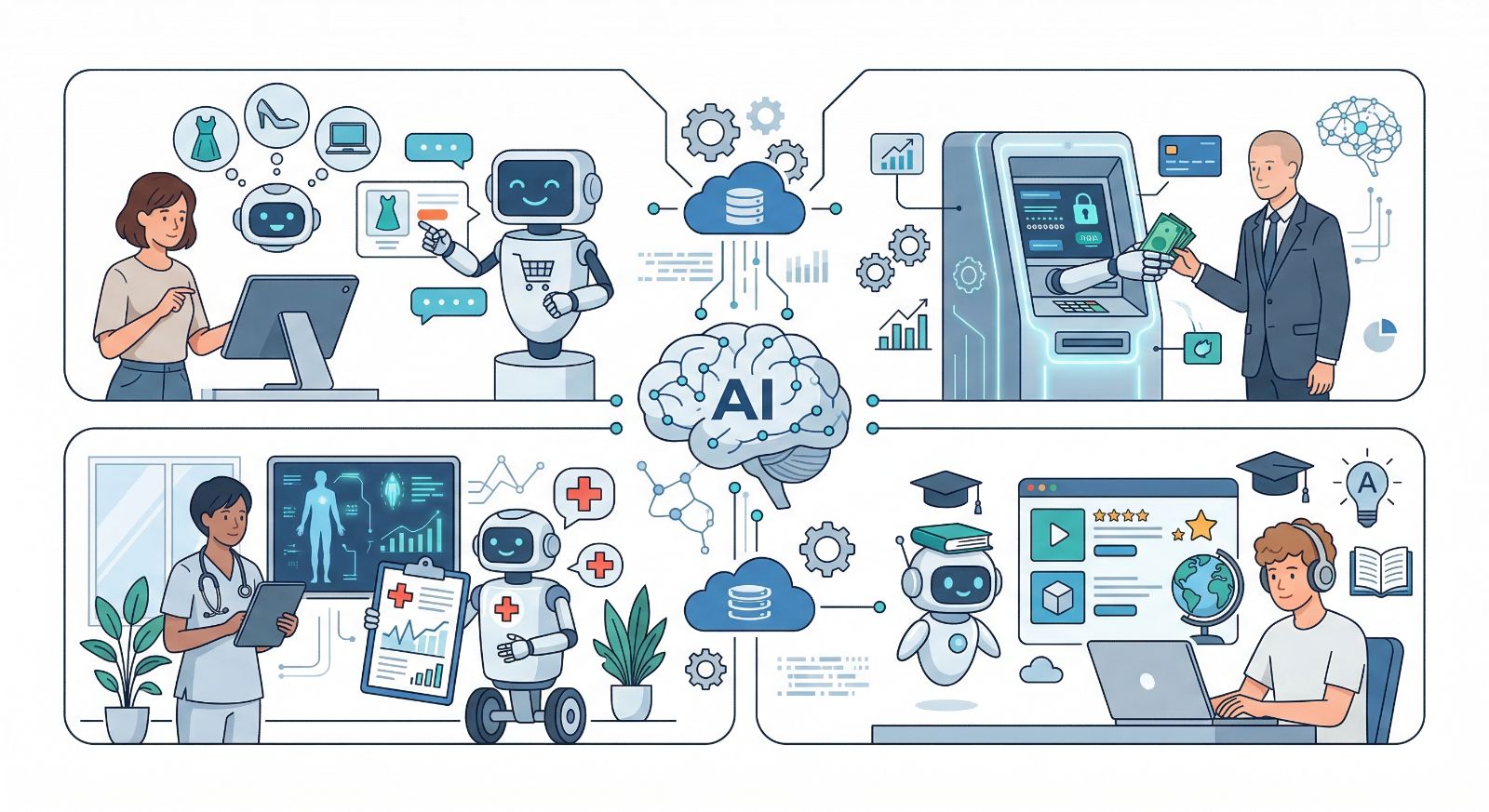
E-Commerce
Shopping assistant bots are transforming the online buying experience:
- Recommending the right size, color, and style for each customer
- Comparing products and prices in real time
- Managing returns, warranties, and shipment tracking
Case study: H&M and Sephora deployed chatbots and reported a 30% increase in first-time purchase rates (Conversational Marketing Industry Report, 2024).
📊 E-commerce chatbot impact at a glance:
- Average order value increases 10–15% with chatbot-driven product recommendations
- E-commerce businesses recover 23% more abandoned carts using AI chatbot follow-up sequences
- 49% of all website customer interactions are now managed by chatbots
For strategies to amplify these results, see our Social Media ROI guide: 15 proven growth strategies →
Banking & Finance
Banking chatbots bring digital financial services to customers around the clock:
- Checking balances, reviewing transactions, and making fast transfers
- Advising on savings, investment, and loan products
- Supporting credit card applications and dispute resolution
📊 By the numbers: Bank of America’s chatbot “Erica” surpassed 1 billion client interactions within 6 years of launch. The financial services chatbot market alone is projected to reach $7 billion by 2030, with major banks reporting up to 40% reduction in call center volume after deploying AI chatbot support.
If you operate in B2B financial services, see our WhatsApp Business KPIs guide for SaaS & B2B → for specific benchmarks to track.
Healthcare
Healthcare chatbots support both patients and medical staff:
- Automated appointment booking and follow-up reminders
- Initial symptom assessment and home care guidance
- 24/7 mental health support
📊 By the numbers: AI chatbots are projected to save the US healthcare economy \$150 billion annually by 2026 through automation of scheduling, triage, and patient intake. Practices using AI scheduling reduce no-shows by 35% and administrative staff time by 30%, saving an average of 15 minutes per appointment.
Education & Training
Educational chatbots personalize the learning journey:
- Virtual tutors answering student questions in real time
- Tracking progress and delivering tailored content to each learner
- Automating admissions inquiries and enrollment support
Travel & Hospitality
Travel chatbots act as a personal travel guide:
- Searching and booking flights and hotels
- Suggesting customized itineraries and dining recommendations
- Providing real-time support throughout the trip
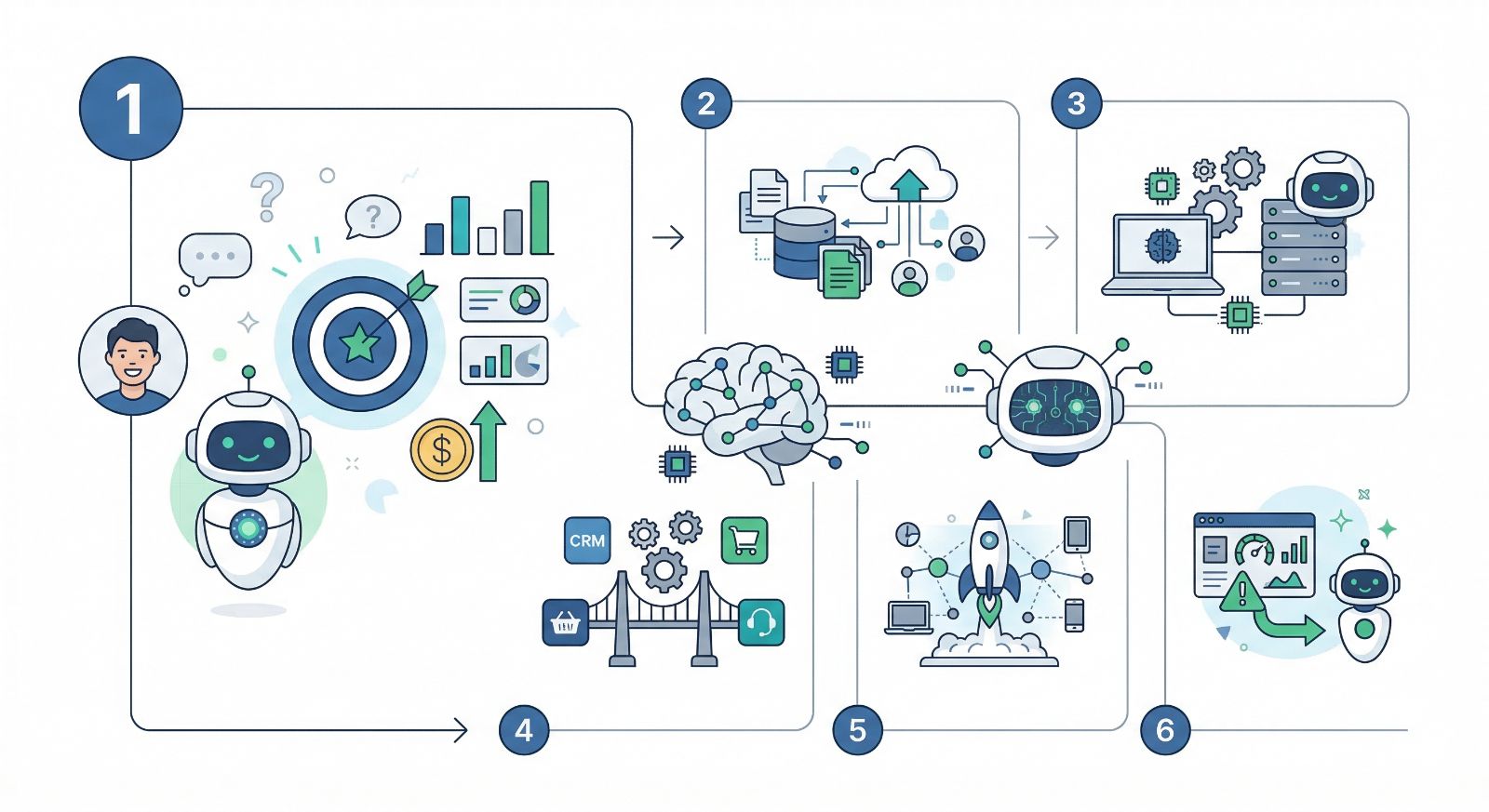
How to Build an Effective AI Chatbot (6 Practical Steps)
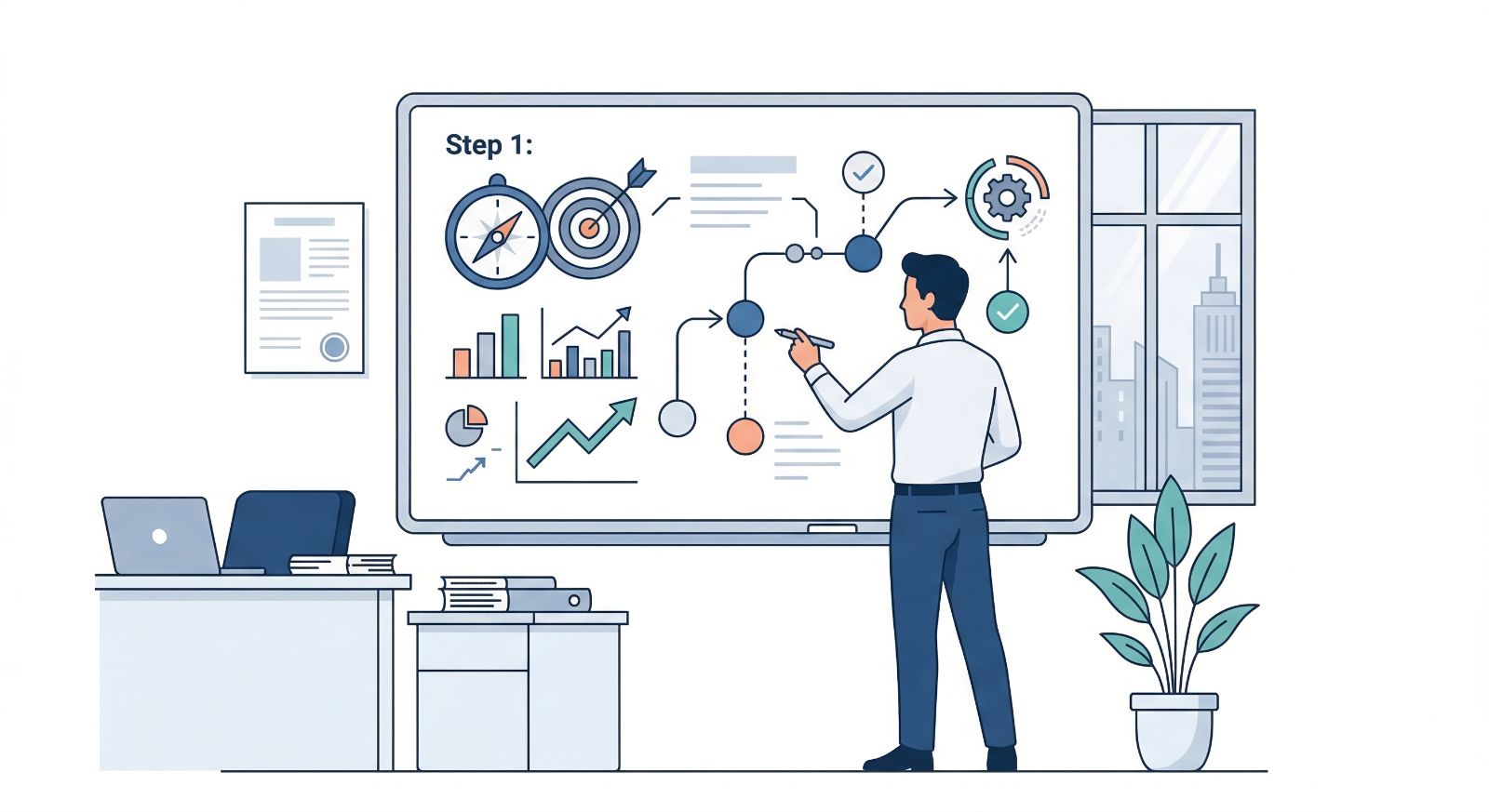
Step 1: Define Clear Goals and KPIs
Before choosing a tool, answer these questions clearly:
- What problem will the chatbot solve? Customer service? Sales? Marketing?
- Which KPIs need to improve? Response time, conversion rate, operating costs?
- Who is your primary customer? Which channels do they use most?
A useful starting point: review Google’s guidelines on helpful content to align your chatbot’s purpose with what your audience actually needs.
Step 2: Choose the Right Chatbot Platform
When evaluating chatbot platforms, most businesses face the same dilemma: tools built for beginners are too limited, while enterprise solutions are too complex and expensive. ChatbotX is designed to bridge that gap – offering an intuitive no-code builder for SMBs alongside the deep customization and integrations that growing businesses need.
What to look for in any chatbot platform:
- No-code or low-code builder for fast deployment
- Native integrations with your existing CRM / ERP systems
- Multi-channel support (website, Messenger, WhatsApp, Instagram)
- Built-in analytics and conversation reporting
- Transparent, scalable pricing as your business grows
- Reliable technical support and onboarding
💡 Tip: ChatbotX covers all of the above out of the box – from a free starter plan for new businesses to a fully customizable enterprise tier with SLA support.
Step 3: Design the Conversation Flow
This step determines your chatbot’s success or failure:
- List the 20–30 most common customer questions
- Design a natural, concise conversation flow (avoid overly long responses)
- Prepare fallback scripts for edge cases and out-of-scope questions
- Clearly define the conditions for escalating to a human agent
💡 Tip: Your chatbot should identify itself as AI upfront and set the right expectations with users. Transparency builds trust far better than pretending to be human. See the EU AI Act transparency requirements for the latest international compliance standards.
ChatbotX’s AI Agent builder includes a visual flow editor and pre-built intent templates to speed up this step significantly.
Step 4: Train and Optimize the Chatbot
NLP training is an ongoing process – it’s never 100% complete:
- Provide at least 10–15 sample phrases per intent
- Use real conversation data to improve accuracy
- Run A/B tests on different response variations
- Review conversation logs weekly to identify gaps
For teams scaling content alongside chatbot rollout, our social media automation guide covers how to unify chatbot and content workflows in one place.
Step 5: Multi-Channel Integration
Deploy your chatbot across key customer touchpoints:
- Website – Chat widget popup, product pages, checkout page
- Facebook Messenger – Auto-reply to comments and messages
- WhatsApp Business – Serve international customers
- Instagram DMs – Engage social media audiences
- Telegram – Reach highly engaged communities
- Mobile App – Integrate the chatbot SDK into your app
For a complete framework on cross-channel deployment, see our omnichannel messaging strategy guide →
Step 6: Monitor, Measure, and Improve
Key metrics to track on a regular basis:
| Metric | Benchmark Target |
|---|---|
| Resolution Rate | > 70% |
| CSAT (Customer Satisfaction Score) | > 80% |
| Escalation Rate | < 20% |
| Average Response Time | < 3 seconds |
| Chatbot Conversion Rate | Varies by industry – compare to baseline |
AI Chatbot Trends 2025–2026
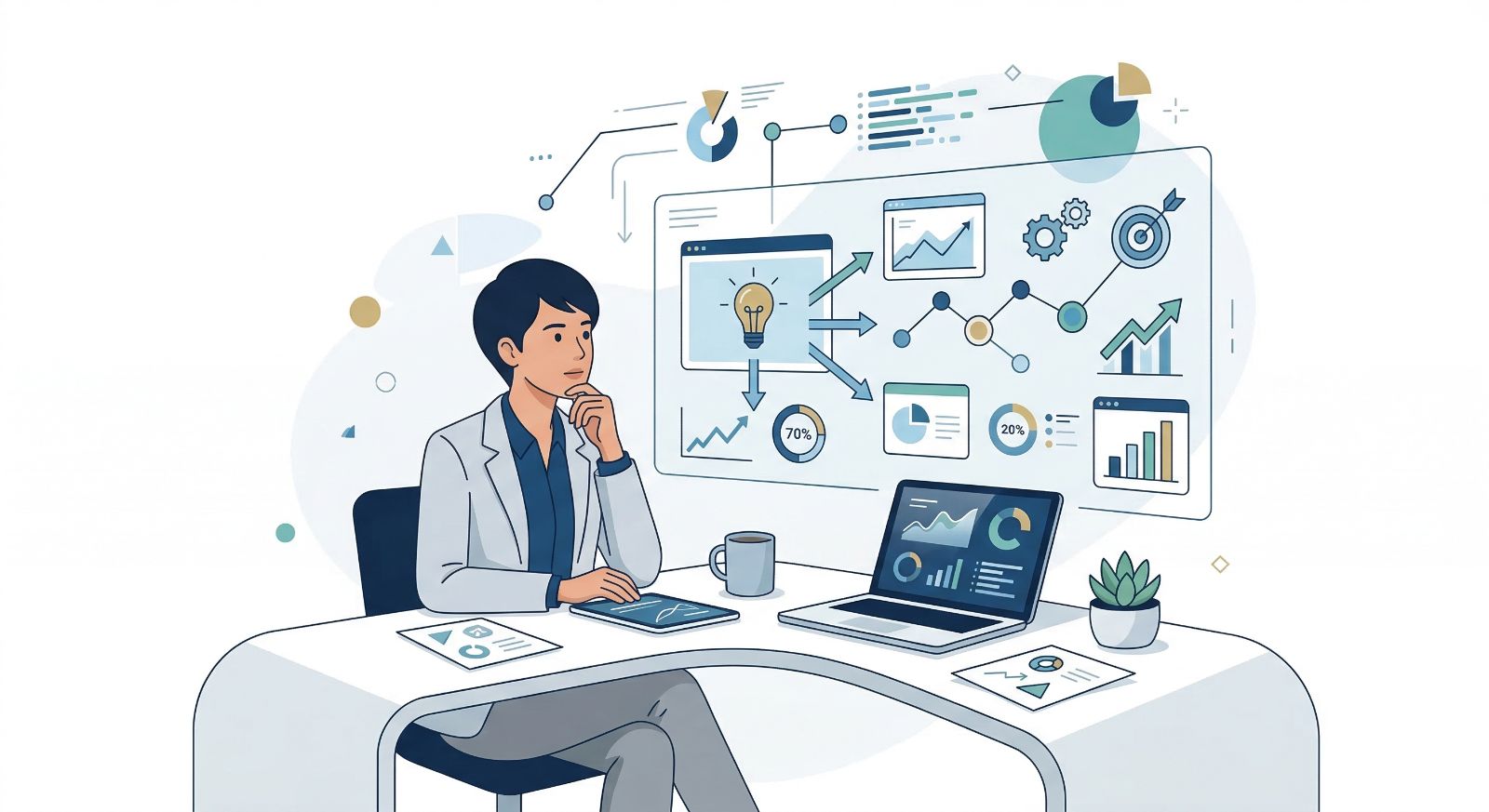
Generative AI Chatbots
Large language models (LLMs) are redefining chatbot standards:
- Answering complex, open-ended questions naturally
- Generating creative content on demand (emails, quotes, reports)
- Delivering unprecedented personalization through long-term conversation memory
Multimodal Chatbots
Next-generation chatbots go beyond text to process:
- Images – Product identification via photo, visual search
- Voice – Fully voice-driven conversations with no typing required
- Documents – Automated analysis of PDFs, contracts, and invoices
Managing these modalities across channels requires a unified strategy – see our Cross-Platform Chatbots: The Definitive 2026 Guide →
Emotional AI
Advanced sentiment analysis enables chatbots to:
- Detect when a customer is angry or frustrated
- Automatically escalate to a senior agent when needed
- Adapt tone and language based on each user’s emotional state
Hyper-Personalization
Behavior-driven chatbots use data to:
- Recall full interaction history and purchase preferences
- Predict customer needs before they ask
- Recommend products with greater accuracy than traditional recommendation engines
Connecting your chatbot to CRM data unlocks the next level of personalization – our CRM and social media integration guide covers the exact steps.
AI Chatbot Deployment Costs
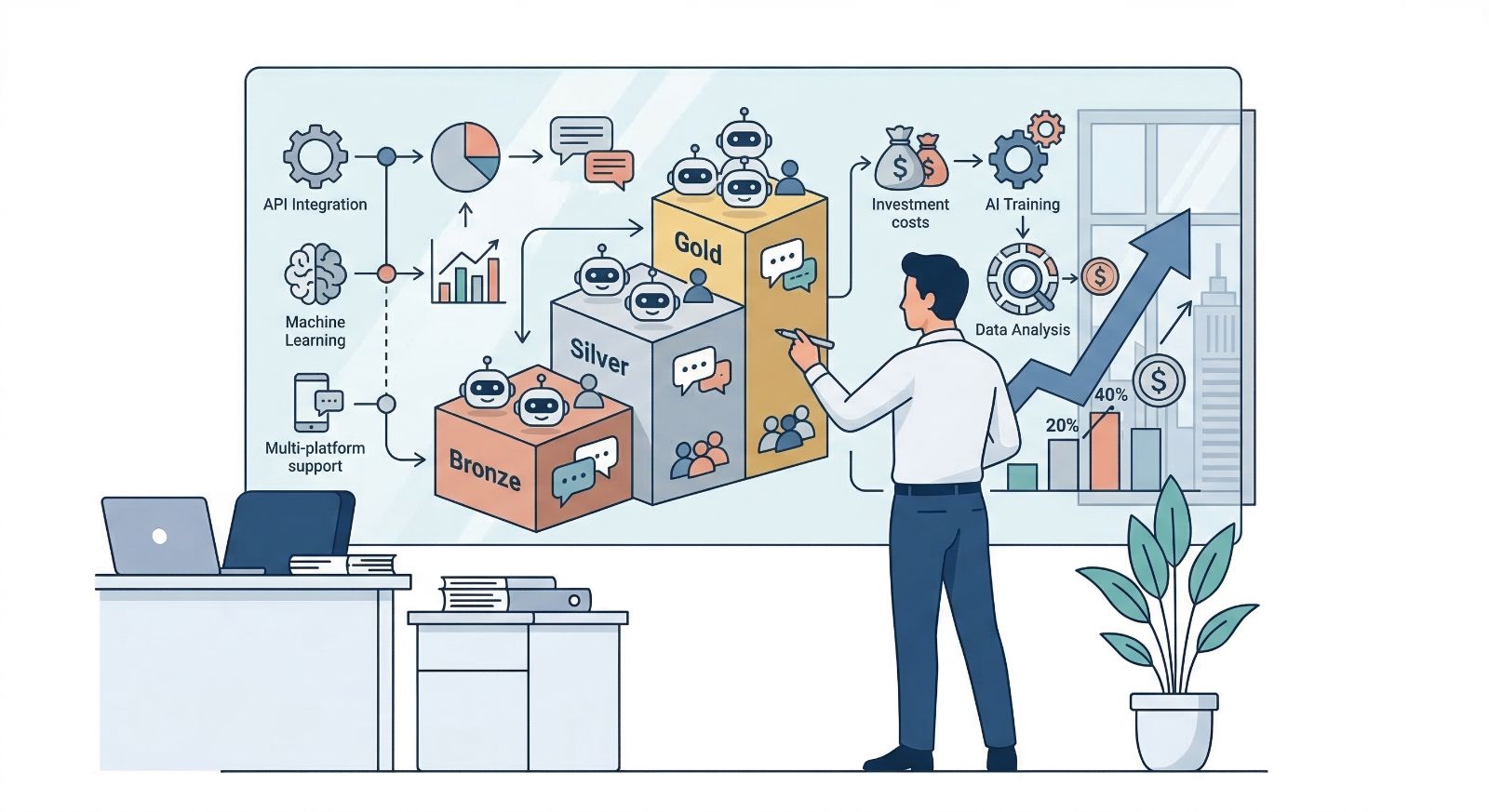
Common Pricing Models
Chatbot pricing typically follows a tiered model based on the number of conversations, active users, or features included. ChatbotX offers a transparent pricing structure across all business sizes:
Starter Plan (Free ~$20/month)
- Best for: Startups and businesses testing their first chatbot
- Includes: Core AI features, basic conversation flows, website widget
- Limitations: Capped monthly conversations, limited integrations
Growth Plan (~$20 – $200/month)
- Best for: SMBs and growing e-commerce businesses
- Includes: Advanced AI, multi-channel deployment, CRM integrations, analytics dashboard
Enterprise Plan ($200+/month)
- Best for: Large enterprises, banks, and compliance-heavy industries
- Includes: Full customization, dedicated onboarding, SLA guarantees, enterprise-grade data security
🔗 See full pricing details at ChatbotX →
Expected ROI (2026 benchmarks)
- $8 return for every $1 invested (Juniper Research, 2026)
- 30–40% reduction in customer service costs (McKinsey Digital)
- 148–200% ROI within the first 12 months of deployment (Azumo – 2026)
- 57% of companies report significant ROI in year one
- Gartner projects $80 billion in contact center labor cost savings industrywide by 2026
Common Mistakes to Avoid When Deploying a Chatbot
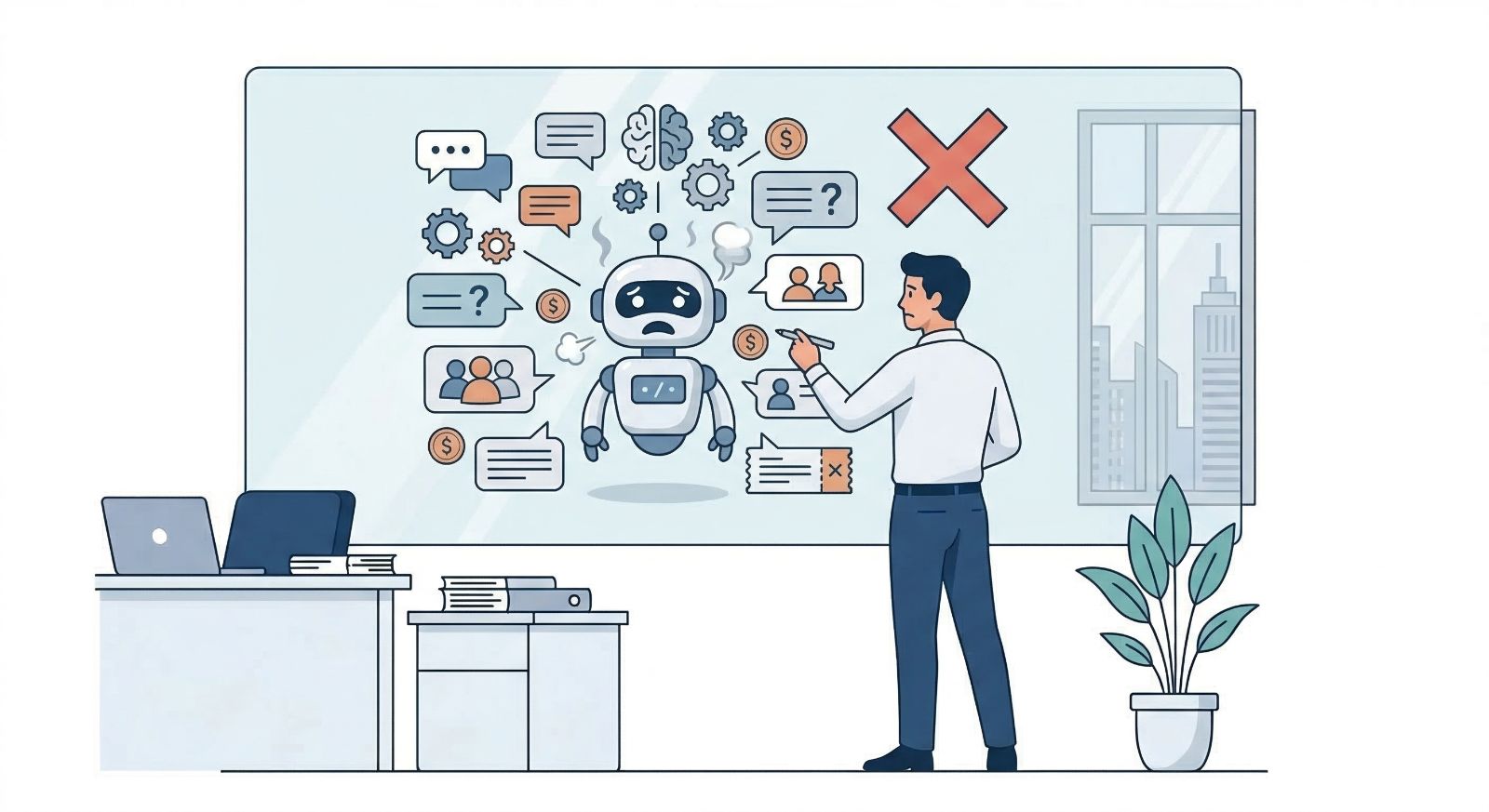
❌ Expecting the chatbot to handle everything. A chatbot is not a universal solution. Define its scope clearly and always have a human escalation path. Studies show 40% of users will abandon a chat entirely if they can’t reach a human when needed.
❌ Designing robotic, unnatural conversations. Users quickly recognize and abandon a chatbot that “reads from a script.” Invest in tone of voice and brand personality from day one. 60% of consumers still worry chatbots can’t understand their queries – unnatural conversations are the primary reason for this distrust.
❌ Failing to update and retrain regularly. Products change, policies update – your chatbot needs to be reviewed and retrained at least once a month. Outdated bots give wrong answers, and 30% of customers who receive incorrect chatbot information will not return to that brand HubSpot Service Report.
❌ Ignoring the mobile experience. 89% of AI chatbot interactions occur on mobile devices. Statista projects 157.1 million voice assistant users in the US alone in 2026. Test thoroughly across all screen sizes and voice interfaces before launch.
❌ Giving users no way out. Always provide a clear “Talk to a human” option. A user who feels trapped by a bot is the worst signal for your brand.
❌ Launching without a clear success metric. One of the most overlooked mistakes: deploying a chatbot with no defined KPIs. Without a baseline measurement, you can’t prove ROI – or identify what needs fixing. Set your Resolution Rate, CSAT, and Conversion Rate targets before go-live, not after. The automated keyword response feature can help establish baseline performance benchmarks before full AI rollout.
FAQ — Frequently Asked Questions About AI Chatbots
Are AI chatbots actually effective for small businesses? Yes. Free and low-cost chatbot plans are well-suited for small businesses. The key is to start with one specific use case (e.g., answering FAQs) before expanding. See our beginner guide to social media automation for practical first steps.
Will AI chatbots completely replace human customer service staff? No. AI chatbots handle repetitive tasks and common questions well, but complex cases, emotionally sensitive situations, and decisions requiring expert judgment still need human intervention. Read McKinsey’s analysis on AI and the future of work for a balanced perspective.
How long does it take to deploy a basic AI chatbot? With a no-code platform like ChatbotX, you can launch a basic chatbot in 1–3 days. More complex custom solutions typically take 4–12 weeks.
Do AI chatbots support multiple languages? Yes. Modern AI chatbot platforms including ChatbotX support a wide range of languages out of the box. Quality improves significantly with the training data you provide for each language.
How do I measure the effectiveness of my AI chatbot? Track 5 key metrics: Resolution Rate, CSAT, Escalation Rate, Chatbot Conversion Rate, and average response time. Compare results before and after deployment over at least 30 days.
Are AI chatbots secure from a data privacy standpoint? It depends on the vendor. Businesses in finance and healthcare should select solutions that comply with GDPR, ISO 27001, and other applicable data protection regulations.
What is the difference between an AI chatbot and a virtual assistant? A virtual assistant (like Siri or Alexa) is a general-purpose AI designed for personal use across many tasks. An AI chatbot is typically purpose-built for a specific business function – customer service, sales, or support – and is deployed within a defined platform or channel.
Which industries benefit most from AI chatbots? E-commerce, banking, healthcare, and SaaS companies consistently report the highest ROI from chatbot deployments. These industries share a common trait: high volumes of repetitive, predictable customer inquiries that chatbots can resolve without human intervention.
Can a small business build an AI chatbot without a developer? Yes. Platforms like ChatbotX offer a no-code drag-and-drop builder specifically designed for non-technical users. A basic chatbot covering your top FAQs can be built and launched in under a day.
Conclusion: Start Your AI Chatbot Journey
AI chatbots are no longer a technology of the future – they are the competitive standard of today. Whether you’re running a small online store or a large enterprise, AI chatbots can drive measurable impact on both revenue and customer experience.
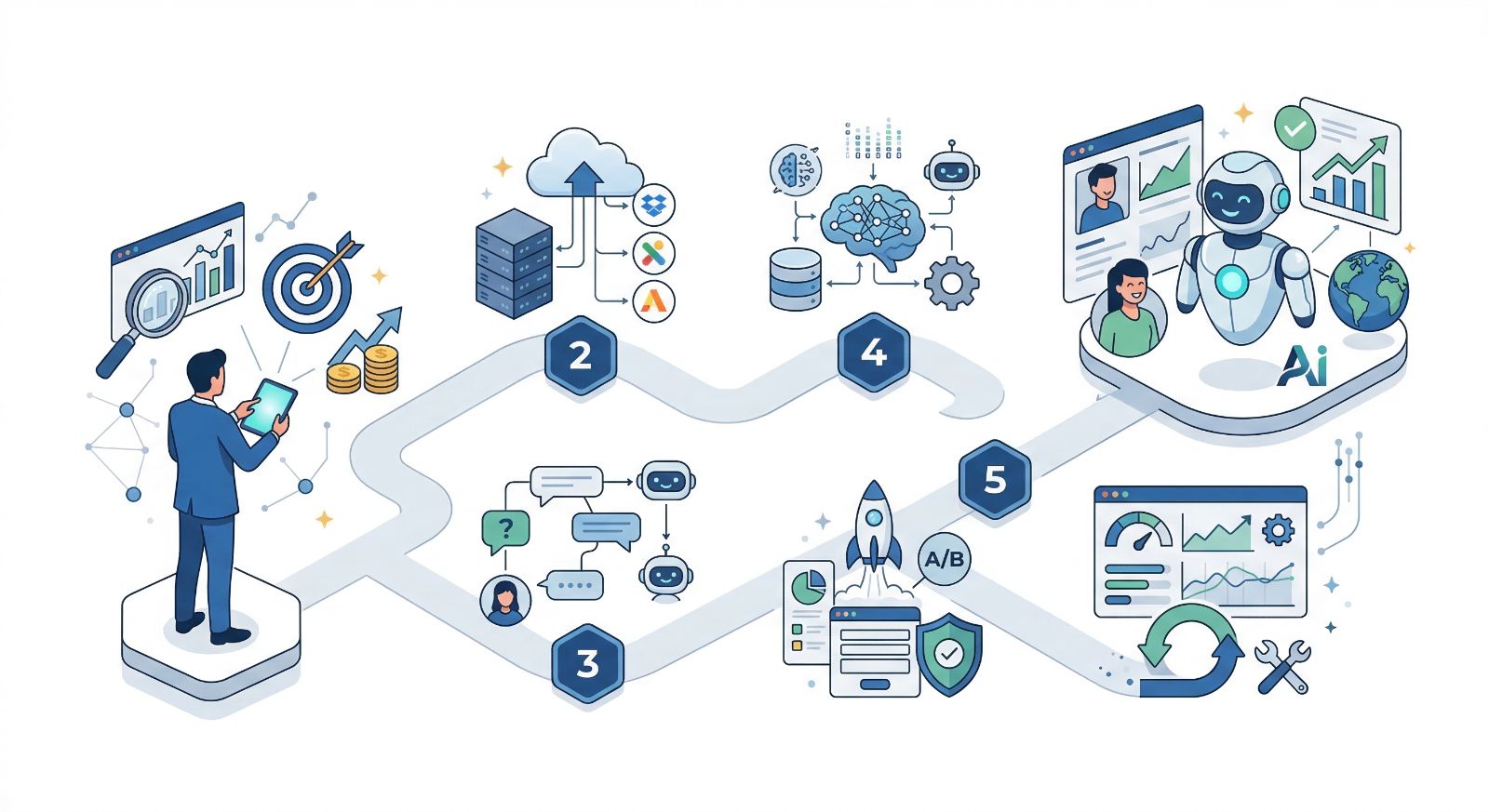
Recommended roadmap to get started:
- Identify one specific problem to solve (e.g., reduce response time)
- Choose a platform that fits your budget and try it for free
- Build a conversation flow covering your 10 most common customer questions
- Launch on a single channel, measure results
- Scale gradually based on real data
Your competitors may already have a chatbot deployed. Every day you wait is another day of lost market share.
🚀 Ready to get started? Try ChatbotX free – no developer needed. Build your first AI chatbot in under a day and start converting more visitors into customers.