
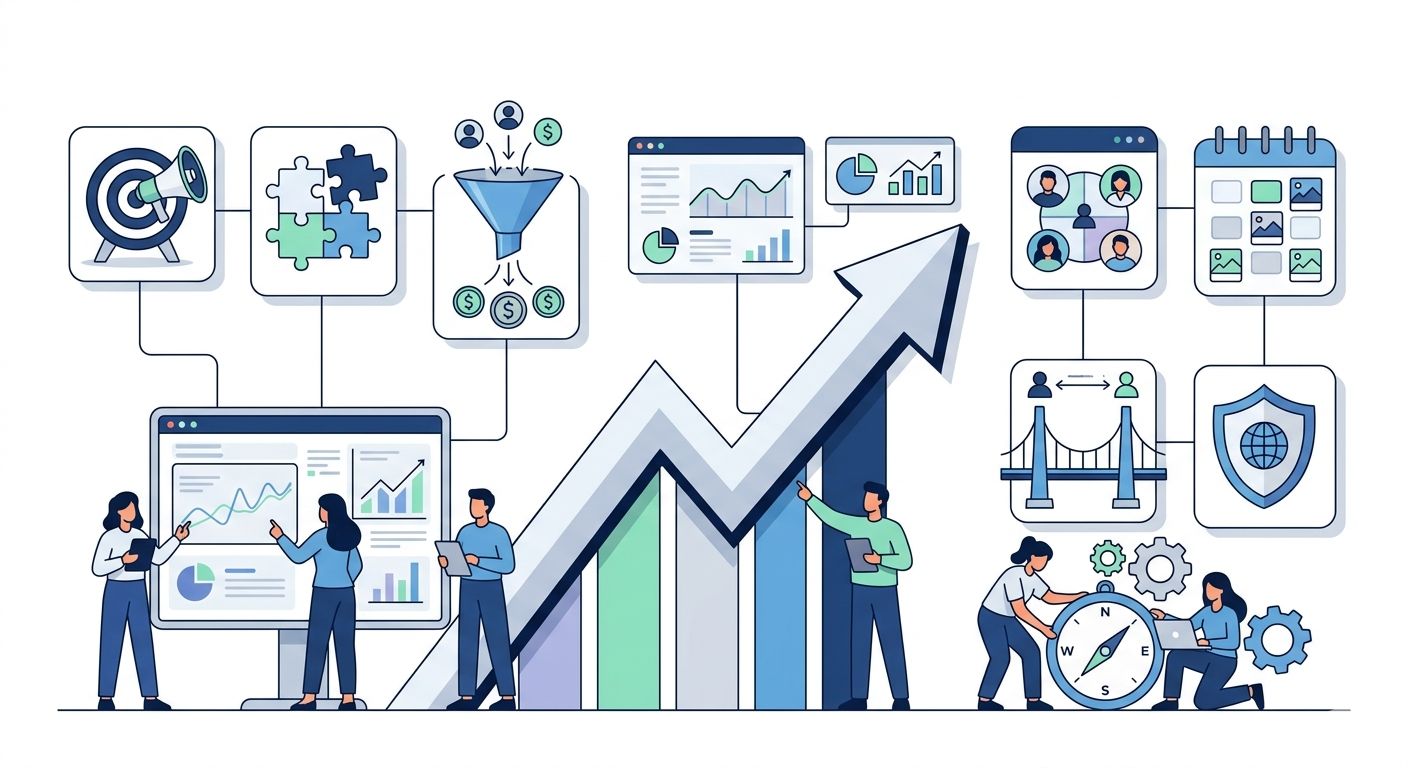
In today’s hyper-competitive digital landscape, brands that rely on instinct alone consistently underperform. To capture sustained attention and drive measurable revenue, you need a structured content distribution strategy – one built on proven methodologies that turn scattered posting habits into repeatable, conversion-focused systems.
This guide breaks down 10 battle-tested approaches used by the world’s fastest-growing brands. Each section covers the target audience persona, core content pillars, key performance indicators (KPIs), and clear implementation steps – so you can choose and deploy the right method for your business goals in 2026.
Launch agentic chat marketing in minutes with ChatbotX














Why You Need a Structured Social Media Plan More Than Ever in 2026
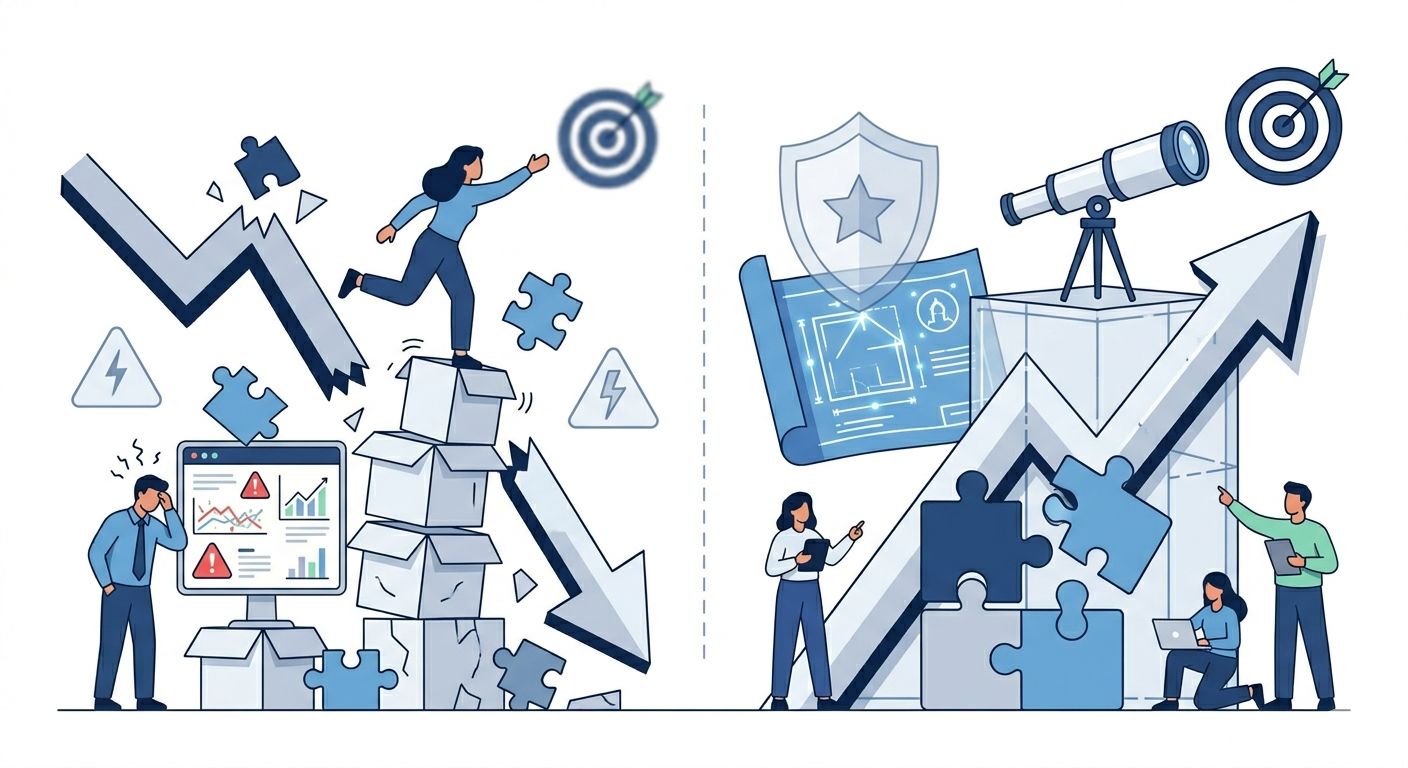
Operating without a blueprint in modern digital marketing is a costly mistake. Algorithm updates across Instagram, TikTok, LinkedIn, and YouTube now actively suppress generic content in favor of signals like watch time, saves, shares, and meaningful interactions. A structured approach ensures you consistently hit those algorithmic reach triggers – rather than hoping a post goes viral.
Core benefits of a formal content strategy:
- Predictable ROI: Model your returns based on historical performance data and audience persona insights rather than guesswork.
- Resource efficiency: Eliminate wasted budget on content that does not align with conversion goals.
- Brand consistency: Maintain a unified voice, tone, and visual identity across your entire social media ecosystem.
- Algorithm resilience: Data-driven content adapts to platform changes without losing momentum.
| Approach | Content Focus | Primary Goal | Key Metric |
|---|---|---|---|
| Ad hoc posting | Whatever is trending | Hope for virality | Vanity metrics (Likes) |
| Structured framework | Audience pain points | Predictable revenue | Conversions & CAC |
1. Cross-Channel Orchestration Framework

Leading brands do not treat each platform in isolation. Instead, they orchestrate content across multiple channels to create a unified customer journey – blending long-form video, short-form reels, live streams, and paid retargeting into one cohesive social media ecosystem.
How to Map the Customer Journey Across Platforms
Every platform serves a distinct function within your content distribution strategy. A user might discover your brand through a viral TikTok clip, deepen their engagement during an Instagram Live session, and convert through a retargeted Facebook ad or a link-in-bio landing page. Your job is to design that path intentionally.
Implementation steps:
- Audit your current platform presence and classify each channel as a discovery engine or a conversion hub.
- Build a centralized content calendar that maps campaigns across all active channels.
- Keep the core message consistent but adapt the format to fit each platform’s native environment – vertical video for Reels, long-form text for LinkedIn, carousels for Pinterest.
- Set up unified UTM tracking to attribute revenue across every touchpoint.
Pro Tip: Use a single “content pillar” piece (e.g., a 20-minute YouTube video or a podcast episode) as the source and repurpose it into channel-specific assets. This maximizes output while maintaining message coherence. For a ready-to-use planning system, see our Social Media Content Planning Template: The Ultimate 2026 Guide.
2. Influencer Partnership & Brand Advocacy Framework
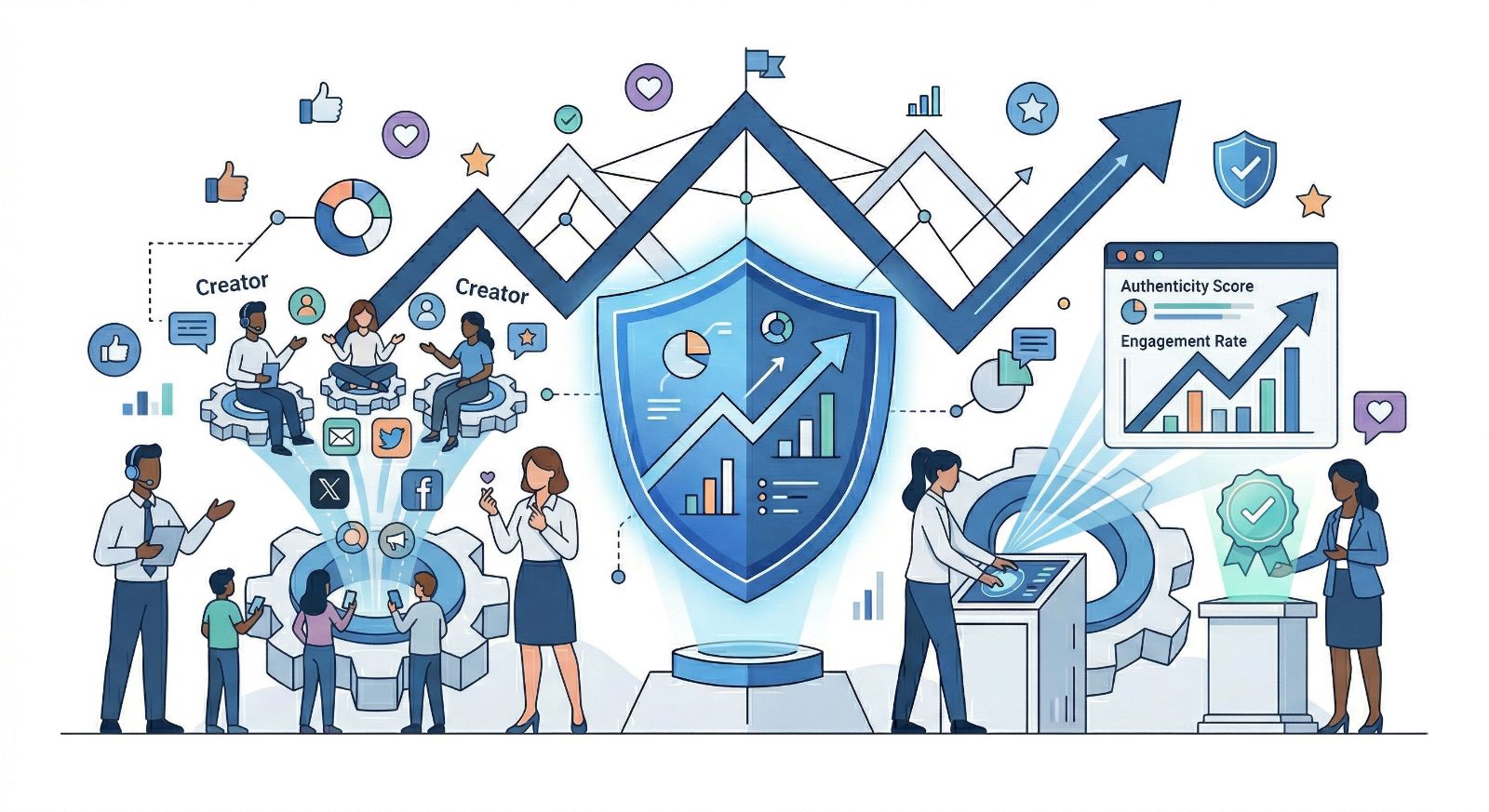
This approach moves beyond direct brand messaging. Instead, you leverage credible, niche-aligned voices to introduce your product authentically to audiences that already trust those creators – making it one of the most effective ways to penetrate new market segments while boosting algorithmic reach.
Why Micro-Influencers Deliver Better ROI Than Celebrities
Long-term relationships with micro-influencers (10,000–100,000 followers) consistently outperform one-off celebrity endorsements in engagement metrics and cost-per-acquisition. Their communities are tighter-knit and highly responsive to recommendations.
Example: Evergreen Threads, a direct-to-consumer sustainable fashion brand, partnered with eco-conscious creators on TikTok and tracked influencer ROI through UTM parameters and personalized discount codes. The result: a 30% increase in brand awareness within one quarter. To learn how to measure and scale results like these, see Social Media ROI: 15 Proven Strategies to Drive Profitable Growth in 2026.
Pros and cons of influencer marketing:
| Pros | Cons |
|---|---|
| Instant access to targeted, engaged audience personas | Time-intensive vetting and relationship management |
| Authentic, high-converting creative assets | Risk of brand damage from influencer misconduct |
| Strong social proof and credibility signals | Attribution can be complex without strict tracking |
3. User-Generated Content (UGC) Amplification Framework
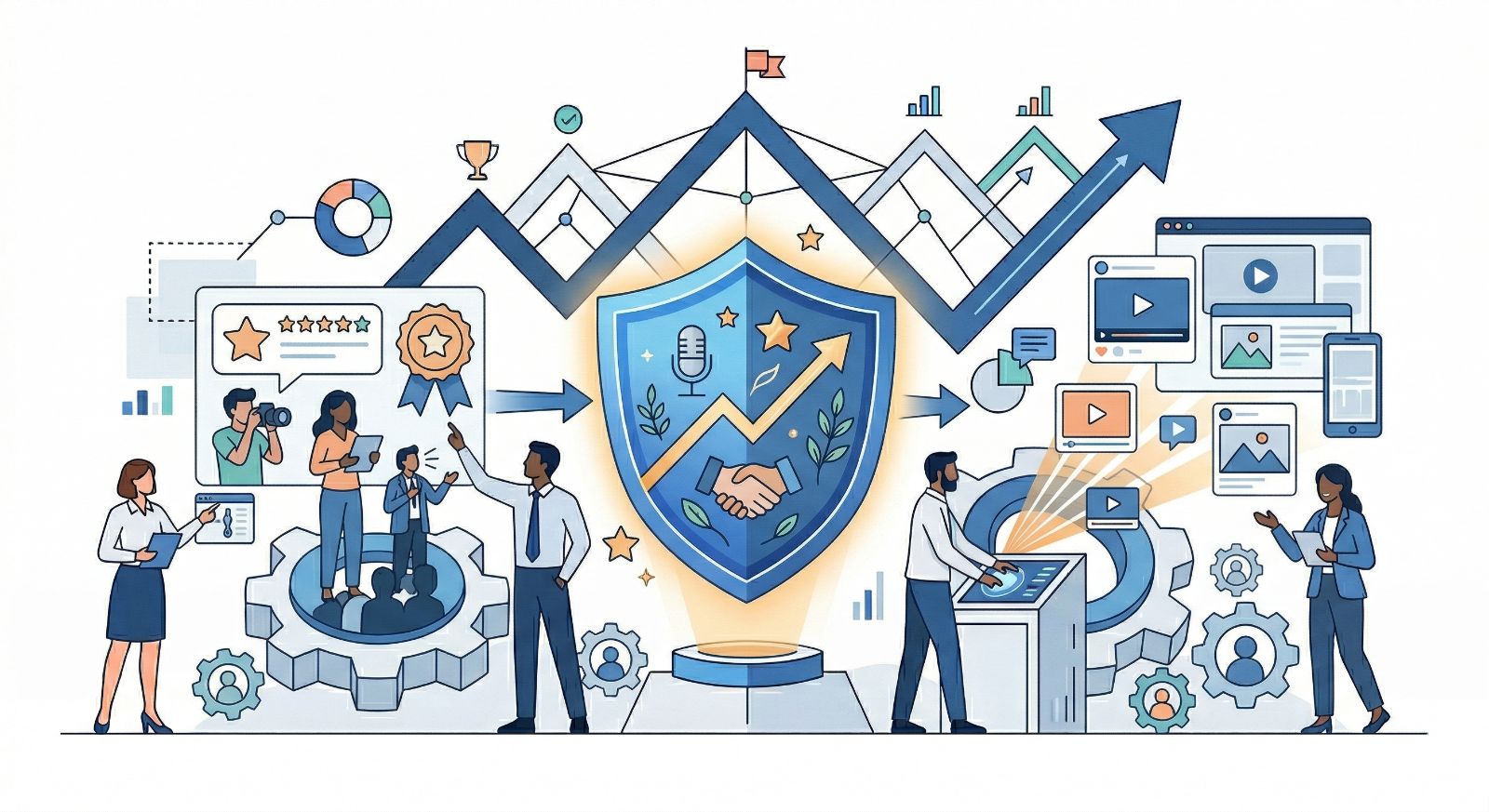
The UGC approach encourages your existing customers to create and share brand-related content organically – photos, unboxing videos, and candid reviews that generate powerful social proof. Peer-created content consistently outperforms polished corporate advertising in trust and purchase intent.
How to Build a Self-Sustaining Content Engine with UGC
By turning satisfied customers into brand storytellers, you create a content engine that runs 24/7 at a fraction of traditional production costs. The key is to actively reward participation and always credit creators publicly to reinforce mutual trust within your community.
Example: Apex Outdoor launched a branded hashtag photo contest that boosted engagement metrics by 40% and generated 50 reusable, rights-cleared assets every month. Monthly customer feature spotlights kept the community motivated to participate consistently.
UGC metrics to track:
- Branded hashtag usage volume and trend over time
- Total monthly content submissions
- Traffic driven from UGC galleries and community pages
- Conversion rate of product pages featuring UGC vs. without
Legal Note: Always obtain explicit written permission before reposting any customer-created content. Failing to do so risks copyright disputes and long-term reputational damage.
4. Community-Led & Engagement-First Framework
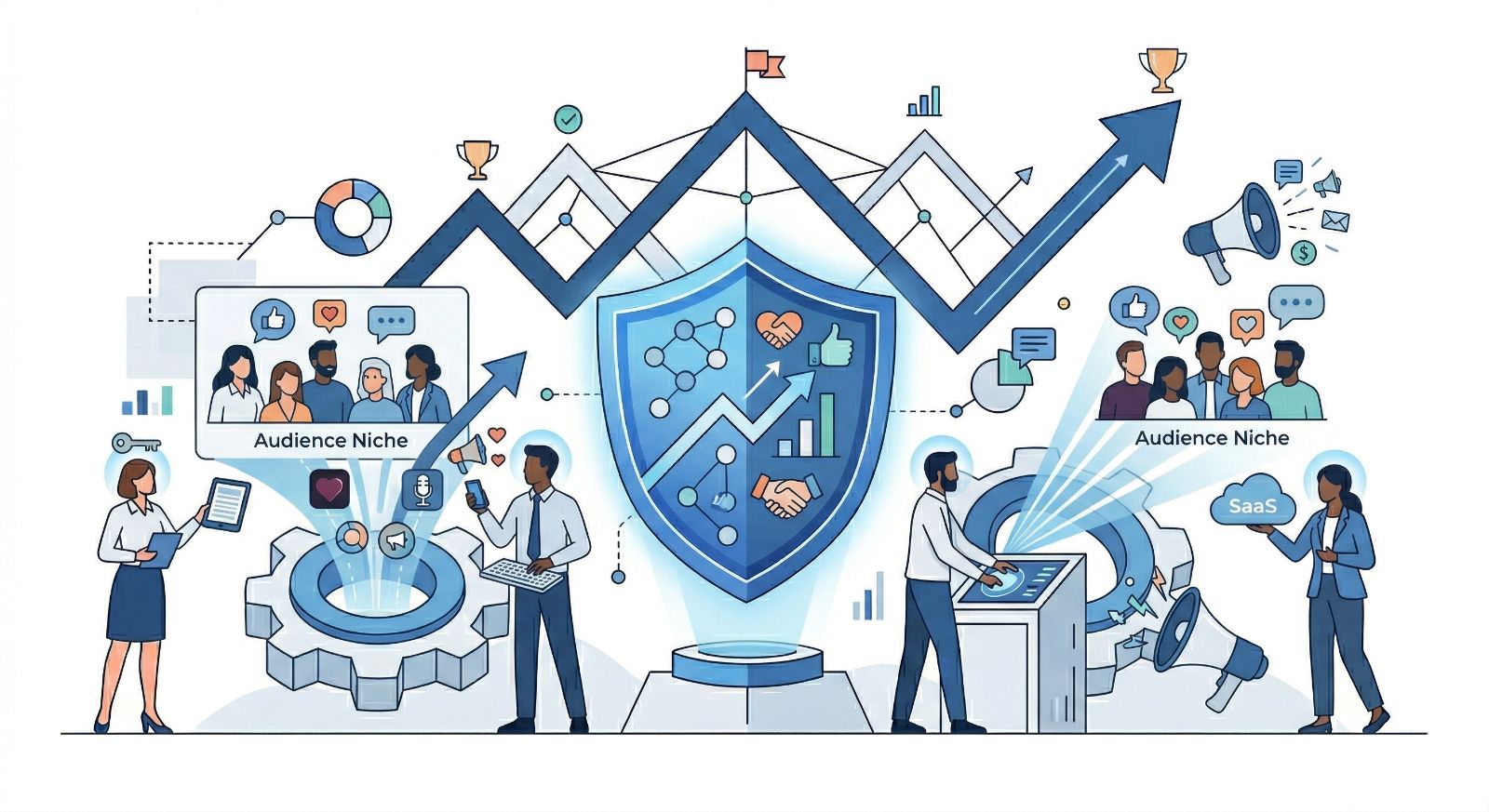
This approach shifts focus away from constant selling and toward building a loyal, self-sustaining community around shared interests and values. Brands that master community-led growth create defensible moats that competitors cannot easily replicate – because the community itself becomes the product’s greatest asset within your broader social media ecosystem.
Creating Defensible Brand Moats Through Community
Platforms like Discord, Slack, Reddit, and Circle are ideal for hosting dedicated brand communities. Weekly AMA (Ask Me Anything) sessions, user showcases, and peer-to-peer support threads keep engagement metrics high and reduce dependency on the brand for every answer.
Example: CodeConnect, a SaaS developer platform, built a thriving Slack community focused on peer support. The result was a 20% reduction in customer support tickets and a 10% improvement in retention – simply because users felt heard and valued.
Supercharge Community Engagement with AI Chatbots
One of the most effective ways to scale engagement in a growing community is deploying a conversational AI layer that handles FAQs, onboards new members, and surfaces relevant resources instantly – 24/7, without burning out your team.
ChatbotX is purpose-built for this use case. It integrates directly into your community channels and website to deliver instant, personalized responses that keep members engaged between human touchpoints. For brands serious about community-led growth, pairing a human ambassador program with an intelligent chatbot creates a flywheel that compounds over time. New to AI chatbots? Start with What Is an AI Chatbot? Benefits & How to Deploy One Effectively.
Best Practice: Never use your community hub as a channel for promotional spam. Members who feel constantly sold to will abandon the group. Let your chatbot surface product recommendations contextually – without hard-sell pressure.
5. Educational Content & B2B Thought Leadership Framework

Position your brand as a trusted industry authority by consistently sharing content that solves real problems for your audience persona. This approach is built on a simple but powerful principle: educate first, sell second. It is particularly effective in B2B contexts where purchase cycles are long and decisions are risk-averse.
Why Education-First Content Shortens B2B Sales Cycles
When you solve a user’s problem for free, you activate the psychological principle of reciprocity. They begin to associate your brand with expertise and naturally gravitate toward your paid solutions when they are ready to invest. This also generates strong algorithmic reach signals – saves, shares, and long dwell times – which further amplifies organic distribution.
Example: DataDrive, a B2B analytics platform, focused their LinkedIn strategy on data visualization tutorials and expert interviews. This approach increased qualified inbound leads by 20% and significantly grew their following – without increasing ad spend. For B2B teams looking to tie content efforts to revenue metrics, the WhatsApp Business KPIs for SaaS & B2B: The 2026 Revenue Guide offers a practical framework for measuring messaging performance across the funnel.
Structuring Your Educational Content Pillars
- Step-by-step tutorials: Walk your audience through achieving a specific, measurable result.
- Industry trend analysis: Break down what algorithm updates, regulatory changes, or market shifts mean for your audience’s day-to-day work.
- Client case studies: Show exactly how a real customer overcame a challenge using your methodology – with specific numbers.
For deeper reading on AI-driven engagement and content marketing, visit the ChatbotX Blog – a regularly updated resource covering community growth, chatbot strategy, and brand storytelling.
6. Trend-Jacking & Real-Time Marketing Framework
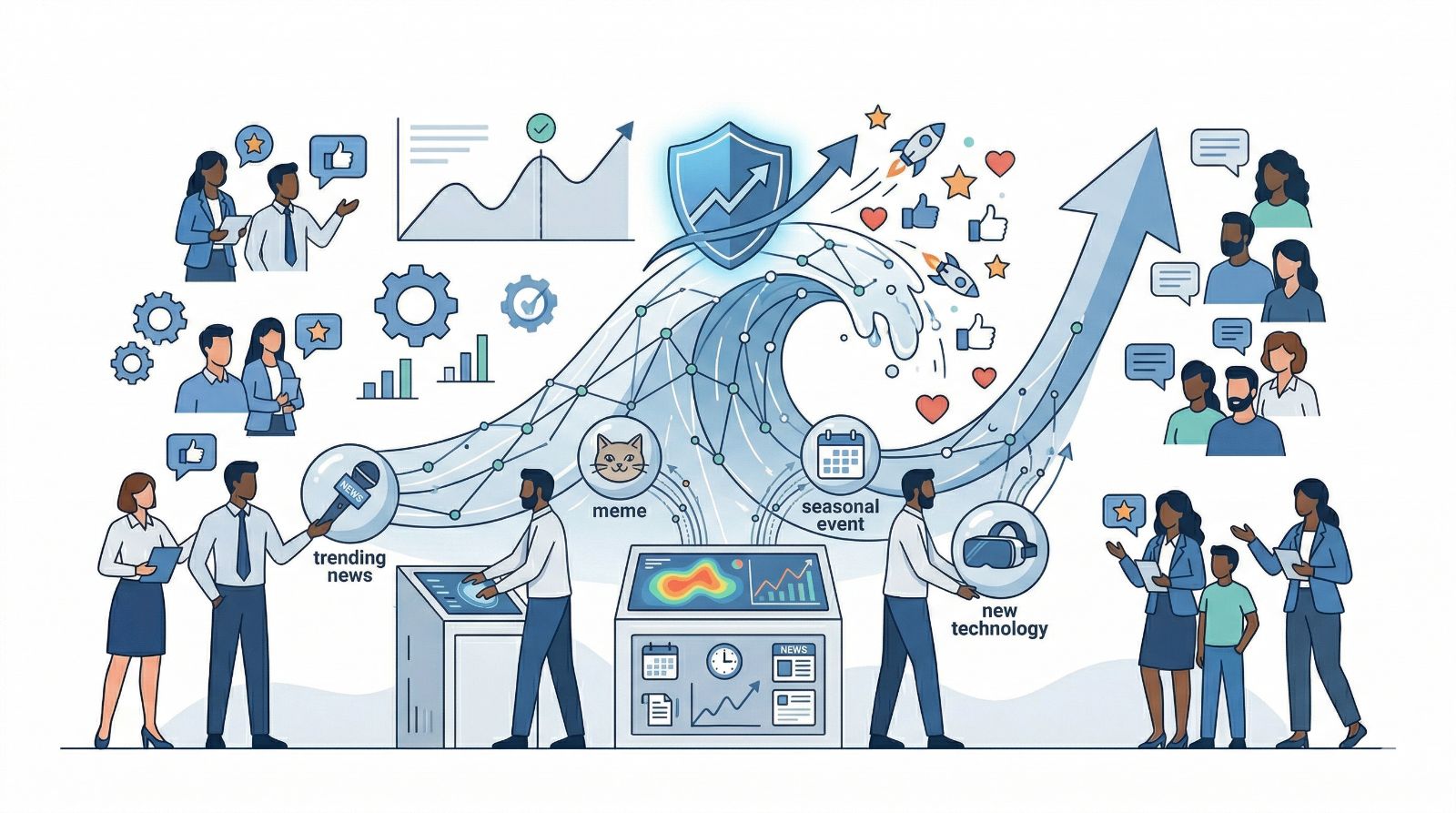
Trend-jacking is the practice of capitalizing on timely cultural moments to boost brand relevance and organic reach. When executed well, your brand rides the wave of massive search and social volume without paying for it. It requires an agile team capable of rapid ideation and production.
How to Capitalize on Cultural Moments Without Getting Burned
Speed is everything here. The window of opportunity for most internet trends closes within 24 to 48 hours. You cannot wait for multi-day approval cycles. At the same time, speed without judgment is dangerous – misreading the cultural context can cause serious brand damage and tank your engagement metrics overnight. Automating your monitoring and approval workflows is key – see Social Media Automation Strategy 2026: Stop Scheduling, Start Strategizing for a practical system.
Example: Rocket Burger, a fast-food chain, used quick-witted posts reacting to pop-culture moments on Twitter and TikTok. The result was a 40% increase in brand mentions and a 10% spike in followers in a single month, driven by a handful of timely, well-executed posts.
Risk management checklist before posting:
- Does this trend align with our brand values and audience persona?
- Could this content be interpreted as offensive by any segment of our community?
- Is the trend still active, or has the cycle already peaked?
- Has our legal/compliance team flagged any IP or trademark concerns?
7. Video-First & Short-Form Dominance Framework
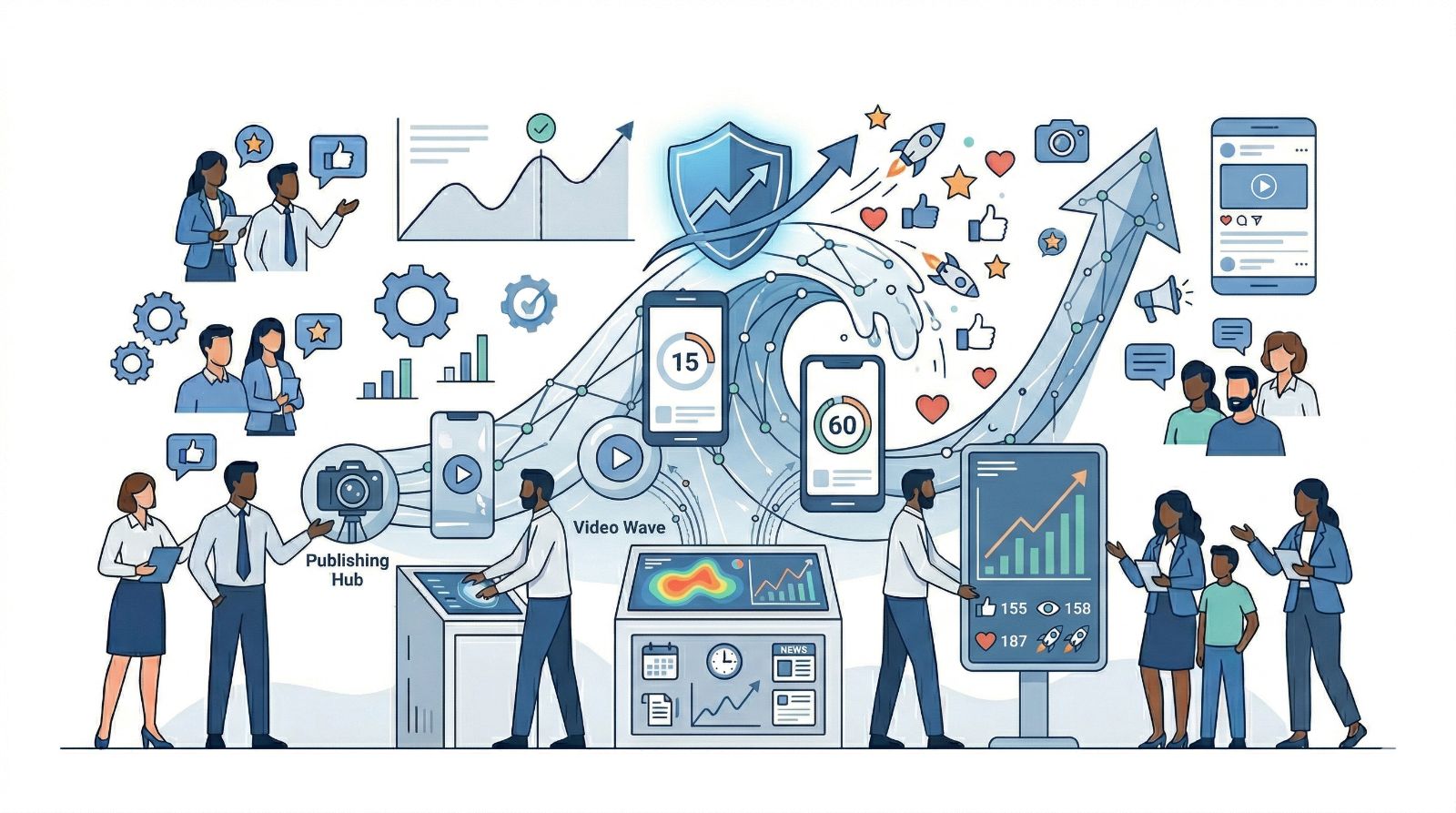
Video is the dominant content format across every major platform in 2026. Short-form clips between 15 and 90 seconds continue to generate the highest algorithmic reach potential – on TikTok, Instagram Reels, YouTube Shorts, and LinkedIn Video. Brands not operating with a video-first mentality are ceding ground to competitors who do.
How to Hook Viewers in the First Two Seconds
Attention is finite. Your video must earn the viewer’s continued attention immediately. Use a strong visual disruption, a provocative question, or a compelling text overlay in the first two seconds – before they scroll past your content.
Example: UrbanBeat Apparel focused on trend styling hacks and product drop teasers on TikTok and Instagram Reels. After optimizing their hooks and posting cadence, they saw a 25% increase in video views and a 15% lift in website traffic in a single quarter.
The Content Repurposing System for Video
Creating short-form content from scratch every day leads to burnout. The smarter approach: invest in one high-quality long-form pillar piece – a podcast episode, a webinar, an interview – and systematically extract short-form clips from it.
Repurposing workflow:
- Record a 30–60 minute long-form video or podcast.
- Identify 8–12 high-value moments (insights, stats, quotes, demonstrations).
- Edit each moment into a standalone short-form clip with captions and a hook.
- Distribute across TikTok, Reels, Shorts, and LinkedIn Video with platform-native captions.
8. Paid Social & Retargeting Funnel Framework
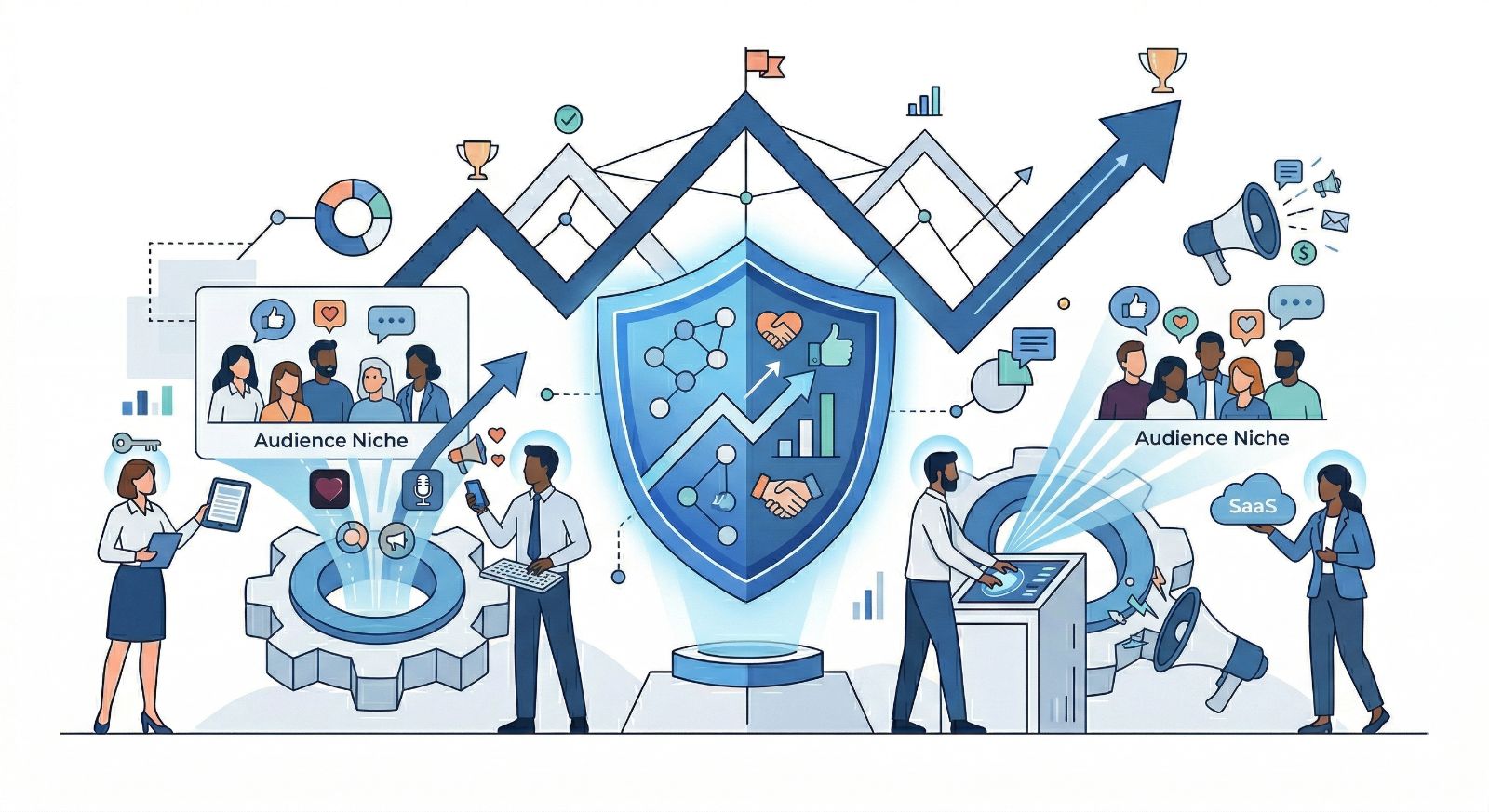
Organic reach builds brand equity over time, but paid social advertising delivers predictable, scalable revenue on your timeline. This approach uses sequential messaging to guide users from first awareness through consideration and into conversion – using pixel tracking and granular audience segmentation based on specific audience personas.
Sequential Messaging: Warming Up Cold Traffic Before Asking for the Sale
Do not ask for the sale on the first touchpoint. Build a multi-stage funnel that progressively deepens engagement:
- Top of funnel (Awareness): Broad video ads that introduce your brand story or a compelling insight. Optimize for cost-per-view (CPV).
- Middle of funnel (Consideration): Carousel or story ads highlighting product features, customer testimonials, and social proof. Optimize for click-through rate (CTR).
- Bottom of funnel (Conversion): Direct-response retargeting ads featuring limited-time offers, abandoned cart reminders, or personalized recommendations. Optimize for return on ad spend (ROAS).
| Funnel Stage | Ad Format | Objective | KPI |
|---|---|---|---|
| Top (Awareness) | Broad video ads | Introduce brand | Cost Per View (CPV) |
| Middle (Consideration) | Carousel / Story ads | Highlight benefits | Click-Through Rate (CTR) |
| Bottom (Conversion) | Direct offer / Retargeting | Drive the sale | Return on Ad Spend (ROAS) |
For a deep dive into measuring and scaling these results, see How to Measure & Scale Social Media ROI: 15 Proven Frameworks for 2026.
One underutilized tactic at the bottom of the paid funnel: deploying an AI chatbot on your landing page to handle last-mile objections in real time. When a retargeted user clicks your ad and arrives on your site with a specific question, a well-configured chatbot can answer it instantly – removing friction between intent and purchase.
ChatbotX enables exactly this. Its AI-powered chat layer integrates with your website and product catalog to deliver real-time, personalized responses that convert hesitant visitors into buyers – without requiring a live sales agent to be online 24/7.
9. Data-Driven Content Optimization Framework
Posting quality content is necessary but not sufficient. In 2026, the brands winning are those that systematically analyze engagement metrics and use those insights to iterate faster than their competitors. This approach treats every piece of content as a data point in an ongoing optimization experiment. Connecting your social data to your CRM takes this even further – the CRM Social Media Integration: The Complete 2026 Strategy Guide explains how to unify both data streams into a single view.
Building a Content Testing and Iteration System
Establish a structured A/B testing cadence for your highest-leverage content variables: hook style, content format, posting time, caption length, call-to-action phrasing, and thumbnail design. Run tests for a minimum of two weeks before drawing conclusions.
Key metrics to analyze per content type:
- Short-form video: Hook retention rate (first 3 seconds), average watch time, share rate
- Carousels: Swipe-through rate, saves, profile visits
- Text posts (LinkedIn): Dwell time, comment sentiment, follower growth
- Stories: Tap-forward rate, reply rate, link clicks
Document winning patterns in a shared content playbook your entire team references. Over time, this institutional knowledge becomes a compounding competitive advantage across your entire social media ecosystem.
10. Social Commerce & Direct-Response Framework
Social commerce – the ability to discover and purchase products without leaving a social platform – has matured significantly. Instagram Shops, TikTok Shop, Pinterest Product Pins, and YouTube Shopping integrations now offer brands a native transactional layer within their organic content distribution strategy.
Converting Browsers into Buyers Within the Feed
The key principle of social commerce is reducing friction. Every additional step between product discovery and purchase is an opportunity to lose the sale. In-feed shopping, swipe-up links, and shoppable video tags eliminate that friction by allowing users to buy in the moment of peak intent.
Implementation steps:
- Set up native shopping catalogs on each relevant platform (Instagram, TikTok, Pinterest).
- Tag products directly in organic posts, Reels, Stories, and live streams.
- Use UGC content (Framework 3) as shoppable assets – real customer photos convert better than studio photography.
- Retarget users who engaged with a shoppable post but did not complete a purchase (Framework 8).
- Deploy a chatbot on your linked landing pages to handle sizing, availability, and shipping questions instantly. For a complete implementation guide, see Customer Care Chatbot Development: The Complete 2026 Guide for Businesses.
Frequently Asked Questions

What are the best social media marketing strategies for small businesses in 2026?
Small businesses should prioritize the UGC Amplification and Video-First approaches. Both rely more on creativity than large budgets. Short-form video on TikTok and Instagram Reels can achieve significant algorithmic reach without paid advertising spend. Encouraging customers to share reviews and photos builds cost-effective social proof that compounds over time.
How often should I review and update my content strategy?
Conduct a structured review every quarter. Analyze your engagement metrics at the 90-day mark to identify which content pillars are overperforming and which are losing traction. Platforms update their algorithms frequently, and audience persona behaviors shift rapidly – a rigid annual plan becomes obsolete within months.
Can B2B companies use a video-first approach effectively?
Yes, and many of the fastest-growing B2B brands already do. Short-form video on LinkedIn that breaks down complex industry problems, explains product features, or surfaces client success stories performs exceptionally well. Video humanizes B2B brands and builds the trust required for high-value purchase decisions far faster than text content alone.
How can AI chatbots improve social media marketing ROI?
AI chatbots like ChatbotX improve ROI by converting traffic from your social campaigns into engaged leads and customers. When users click through from a social ad or organic post, a chatbot can greet them contextually, answer product questions, surface relevant content, and guide them toward a purchase – 24/7, without human intervention. This is especially effective at the bottom of paid social funnels where intent is high but hesitation is common. To understand the full strategic picture, read our guides on AI Chatbot Strategy 2026: Trends Platform Comparison & Mistakes to Avoid and 13 Ways AI Improves Customer Experience in 2026.
Which approach should I start with if I have limited resources?
Start with whichever method most directly addresses your biggest current bottleneck. If awareness is the challenge, prioritize the Video-First or Trend-Jacking approaches. If engagement metrics are low, focus on Community-Led or UGC. If conversion is the issue, invest in the Paid Social Funnel or Social Commerce frameworks. Most mature brands eventually layer two or three approaches together into an integrated strategy.
Choosing the Right Framework for Your Goals
| Framework | Best For | Primary KPI |
|---|---|---|
| Cross-Channel Orchestration | Brands with multi-platform presence | Customer journey completion rate |
| Influencer Partnerships | New market penetration | Cost per acquired customer via influencer |
| UGC Amplification | E-commerce and consumer brands | UGC volume and conversion lift |
| Community-Led Growth | SaaS, subscriptions, loyalty brands | Retention rate and NPS |
| Educational Thought Leadership | B2B and high-consideration purchases | Qualified inbound leads |
| Trend-Jacking | High-velocity consumer brands | Share of voice and mention volume |
| Video-First | Brands targeting Gen Z and Millennials | Watch time and video-driven traffic |
| Paid Social Funnel | Revenue-focused campaigns | ROAS and customer acquisition cost |
| Data-Driven Optimization | Scaling brands with existing content | Engagement metrics improvement over time |
| Social Commerce | Product-based brands | Social-attributed revenue |
The most effective content distribution strategy in 2026 is not a single method – it is a deliberate combination of two or three approaches tailored to your audience persona, your funnel stage, and your available resources. Start structured, measure your engagement metrics rigorously, and iterate continuously.
Ready to Turn Your Social Media Traffic into Real Conversations? ChatbotX helps brands capture leads, answer questions, and convert visitors – automatically, 24/7. Whether you’re running paid social funnels or scaling a community-led strategy, ChatbotX fits directly into your existing workflow and starts delivering results from day one.→ Start Your Free Trial at ChatbotX