

Stop optimizing for views and start optimizing for “Session Depth.” As we move through 2026, the Instagram ranking engine has evolved past isolated video metrics to prioritize profile-level behavior signals. If your engagement has hit a ceiling, it’s because the algorithm now favors creators who build interconnected content ecosystems rather than fragmented posts. This guide breaks down 5 algorithm-proven viral triggers-from Retention Pacing to Automated Conversion Flows-designed to help B2B marketers and creators dominate the 2026 landscape. Learn how to align your architecture with current AI-driven distribution patterns to drive tangible ROI and sustainable organic growth.
Launch agentic chat marketing in minutes with ChatbotX














Why Your Instagram Strategy Is Quietly Failing

You’ve been doing everything “right.” Consistent posting, trending audio, optimized captions – yet your Reels cap out at a few thousand views while a creator with half your production quality is pulling hundreds of thousands. What’s going on?
The answer is uncomfortable: the Instagram algorithm underwent a fundamental philosophical shift in late 2025, and most creators haven’t caught up yet. The platform stopped measuring content performance reel by reel. It now measures profile-level viewing behavior – specifically, whether a single piece of content pulls a viewer into a deeper session across your entire library.
According to Instagram’s official Creator announcements, the platform’s ranking system now explicitly prioritizes content that drives continued engagement within a single creator’s profile – not just isolated likes and shares on individual posts.
In other words, Instagram in 2026 operates less like a content feed and more like a recommendation engine. Think Netflix, not a bulletin board.
This guide breaks down five proven viral triggers that align with how the algorithm actually ranks content today – along with a practical, repeatable workflow for each one. Whether you’re a solo creator or managing accounts for a brand, these mechanics are the difference between stagnating and compounding.
Further reading: To understand the full picture across all platforms – not just Instagram – check out How Social Media Algorithms Really Work in 2026 (And How to Beat Them) on the ChatbotX Blog. It’s one of the most thorough breakdowns of the 2026 ranking landscape available right now.
Why the 2026 Instagram Algorithm Is Fundamentally Different
Before diving into tactics, it’s worth understanding the core shift. Previously, a single high-performing reel would spike your reach and then fade. Instagram rewarded one-off engagement – likes, shares, saves on individual posts.
Today’s algorithm rewards session depth. The key question Instagram’s ranking system asks is no longer “Did this video perform well?” but rather “Did this video make the viewer watch more from this creator?”
This means:
- A reel with 50K views that leads to zero profile visits is worth less than a reel with 8K views that drives 500 profile sessions.
- Creators with interconnected content libraries are being pushed algorithmically, while creators with disconnected uploads are being filtered out.
- Profile architecture – how your content is organized, linked, and branded – now directly affects reach.
Once you understand this, the five triggers below become obvious. Each one is designed to generate not just views, but sessions.
Viral Trigger 1: Build a Content Series, Not a Content Feed
The Problem With One-Off Reels
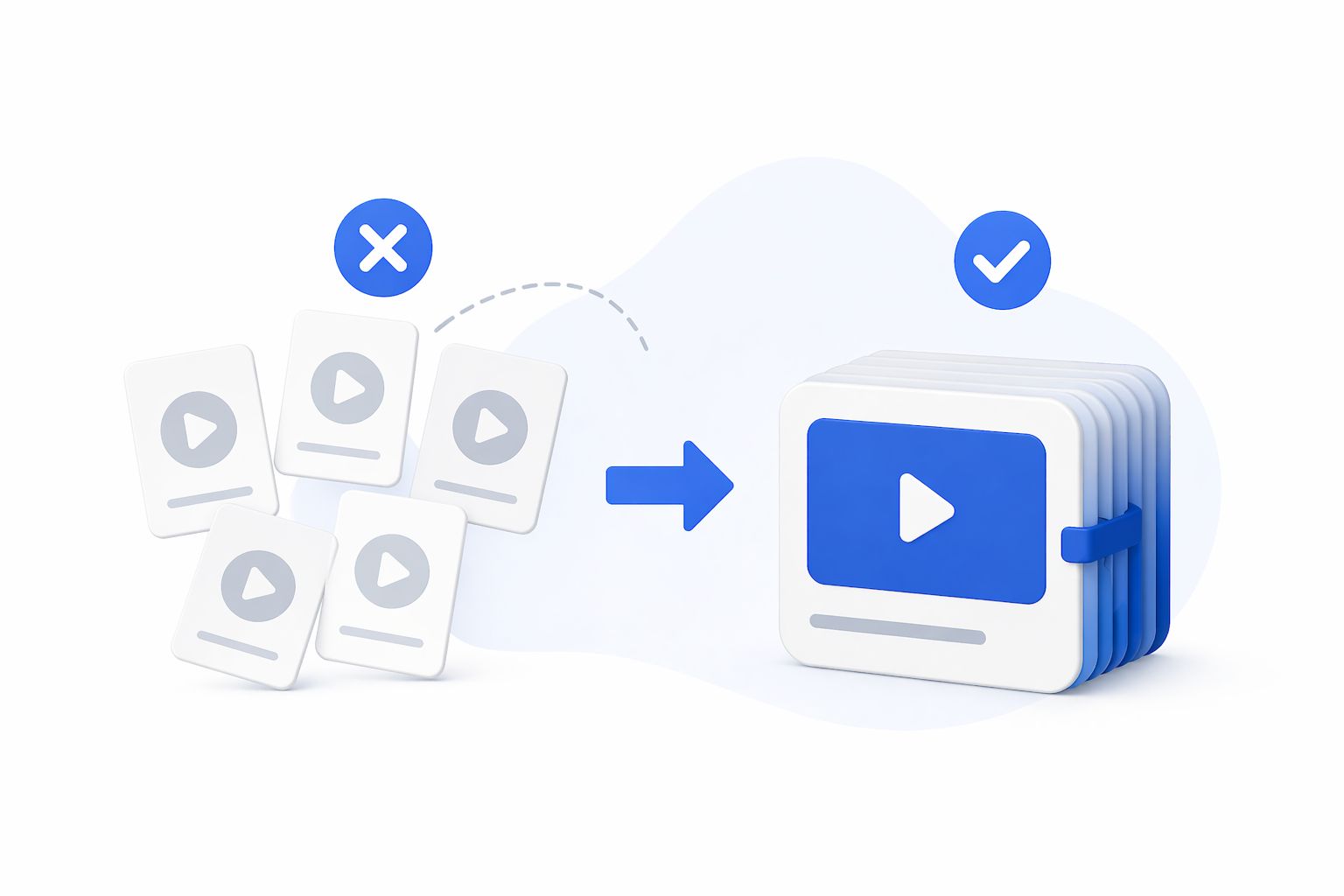
Most creators approach Instagram like a newspaper: each post is a standalone story with no relationship to what came before or after. That model is now algorithmically punished. When a viewer finishes a one-off reel and has no obvious “next step” on your profile, the session ends – and so does Instagram’s motivation to push your content to new audiences.
The Solution: The Recurring Format
A content series gives viewers a reason to stay. It can be as simple as a repeating structure (“Every Tuesday I break down one viral post and explain why it worked”), a numbered progression, or a consistent visual format that viewers recognize within two seconds of hitting your profile.
The algorithm picks up on binge patterns. When users watch episode 3 of your series, then go back and watch episodes 1 and 2, Instagram logs a multi-reel session from a single profile. That signal is treated as premium engagement and expands your distribution window.
How to Execute It
Step 1: Pick one specific topic niche. Not “fitness” – “correcting form mistakes in compound lifts.” Not “marketing” – “breaking down why specific viral ads work.” Specificity is what makes a series bingeable.
Step 2: Design a recognizable cover image template. Viewers scanning your profile grid make a sub-second decision about whether to explore or leave. If your covers look like eight different creators made them, they leave. A unified visual system signals professionalism and makes your pillars instantly readable.
Step 3: Use Instagram’s reel-linking feature. Manually connect related reels in your series. Write end-of-video CTAs that position the next episode as unmissable – not “check out Part 2” but “the next mistake is even more surprising, and I break it down on the next video.”
Step 4: Batch record and automate your publishing flow. The biggest enemy of a series isn’t bad content – it’s inconsistency. Film your next four to six episodes in one sitting, then use ChatbotX’s automated conversation flows to keep your content distribution pipeline running even when you’re heads-down filming. Brands using structured automation flows report dramatically more consistent series output without added manual overhead.
Viral Trigger 2: Test Reels Like a Scientist, Not a Gambler
What Trial Reels Were Versus What They Are Now
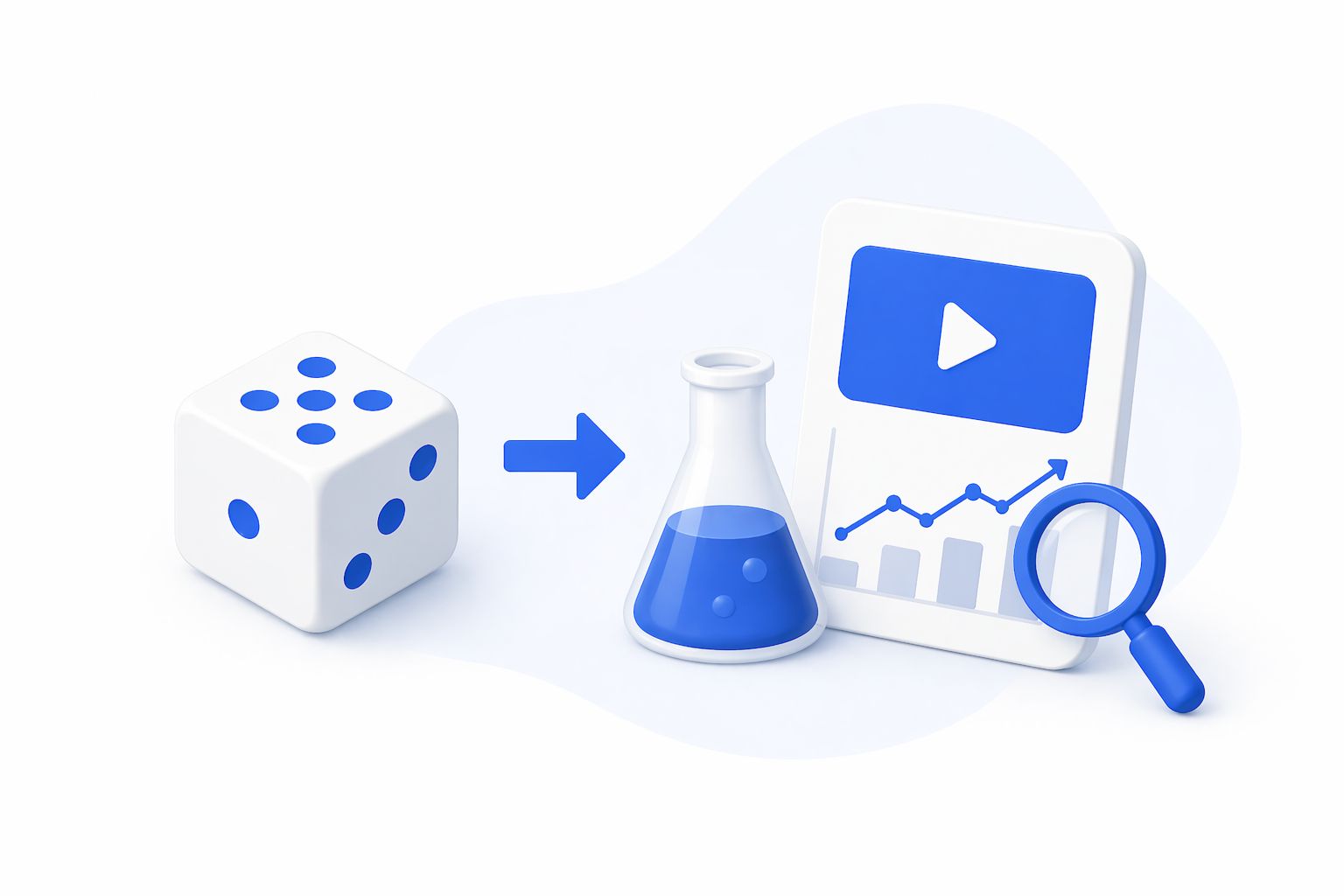
Instagram’s trial reel feature – which shows your reel to non-followers before you commit to a full publish – is still one of the most underused growth tools on the platform. But the way creators use it has to evolve.
The old approach was brute-force: change a text overlay, re-export, launch another trial. Some creators were running 20+ near-identical trials and expecting different results. Instagram’s system now detects this, rate-limits abusers, and in some cases temporarily restricts posting.
The 2026 Approach: Three Distinct Angles
The rule is simple – no two trial reels should make the same argument in the same way. Before filming, write three fundamentally different hook angles for the same core message:
- Angle A – The bold claim: “Most creators are measuring the wrong metric entirely.”
- Angle B – The personal story: “I posted 40 reels in a row before I figured out what was actually tanking my reach.”
- Angle C – The direct audience call-out: “If you’re posting daily and still under 10K followers, this is probably why.”
Each angle attracts a different type of viewer. Some people respond to authority. Others respond to vulnerability. Others respond to direct identification. Testing three distinct angles tells you which psychological lever moves your specific audience – and that’s data you can use across every future piece of content.
Cap your trial reels at around five per publishing cycle. More than that and you’re testing volume rather than insight.
The Non-Follower Recruitment Reel
One of the highest-leverage uses of trial reels is what you might call a recruitment reel – a short (10–20 second) video aimed specifically at non-followers that describes exactly who your content is for and what they’ll gain from following you.
The structure:
“If you’re [specific identity] who struggles with [specific problem], my content is specifically for you. I’m currently posting [specific series] and it’s already helped [specific result type]. Come check it out.”
This reel serves a dual purpose: it pulls qualified non-followers to your profile, and it sends the algorithm an explicit signal about your target audience, improving your distribution targeting for every future post.
When non-followers convert and start sending DMs – which a successful trial reel almost always generates – having a unified inbox to manage all incoming messages across channels becomes genuinely essential. Manual DM management at scale is where most growing accounts start to break.
Viral Trigger 3: Carousels Are the Most Underrated Growth Format of 2026
Why Creators Overlook Carousels
There’s a widespread assumption that carousels are a “warm audience” format – useful for keeping existing followers engaged, but not useful for discovery. That assumption is costing creators enormous reach.
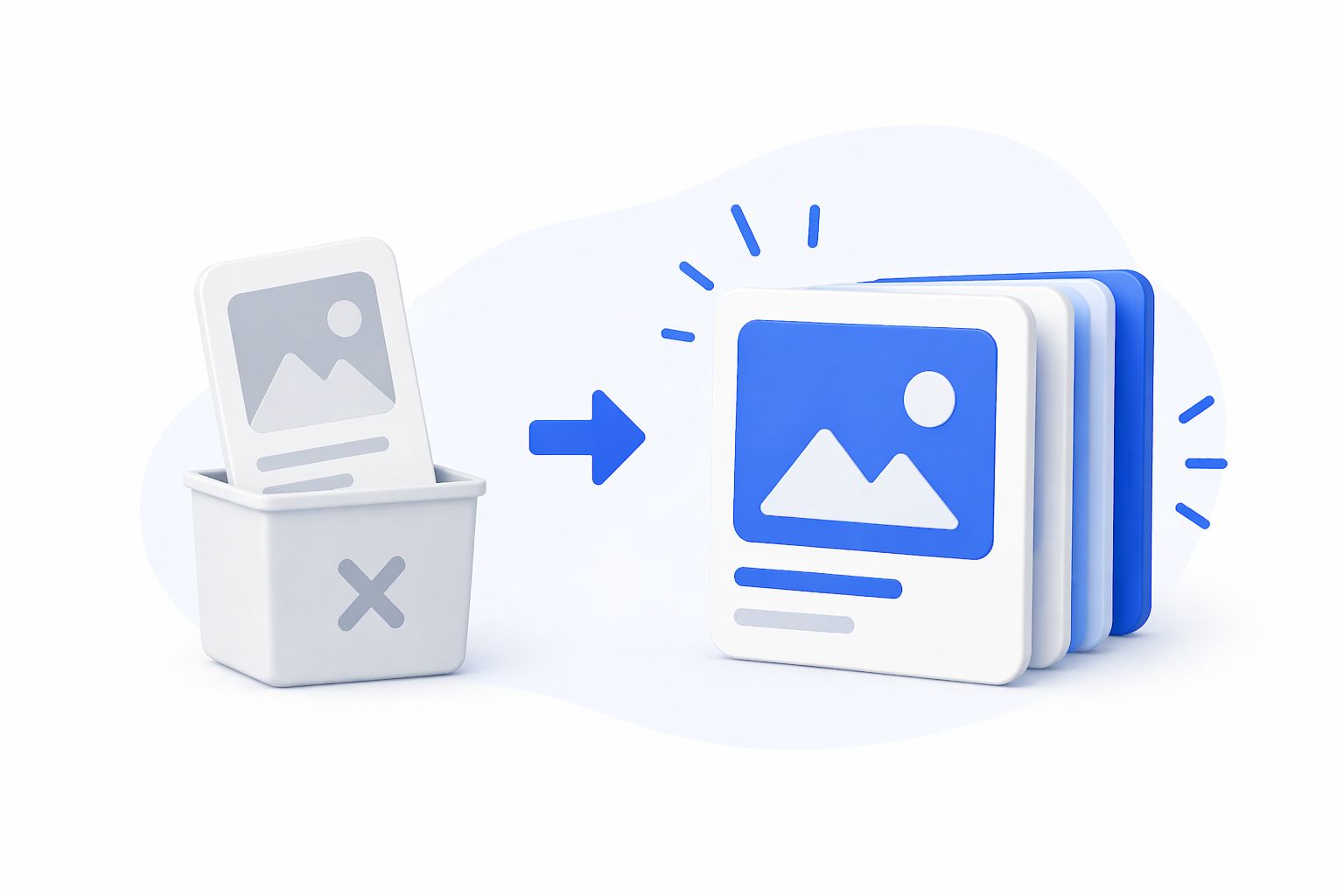
When carousels are built correctly, Instagram actively cycles them through the feed multiple times, using different slides as the preview image each time. A single well-constructed carousel can generate 60K–80K non-follower impressions, because it gets multiple “launch windows” instead of one.
Sprout Social’s 2026 Instagram Benchmarks show that carousel posts consistently generate higher average reach per post than single-image posts or even Reels for accounts in the 10K–100K follower range – making them the most underinvested format for mid-tier creators right now.
The Three-Hook Carousel Structure
Most creators treat slide one as the only hook. This is the #1 carousel mistake of 2026.
Because Instagram can surface any slide as the entry point for a new viewer, you need the first three slides to each function as independent cold-open hooks. Any viewer landing on slide 1, 2, or 3 for the first time should be immediately compelled to swipe.
Here’s an example for a carousel about content strategy:
- Slide 1: “The metric that actually determines whether your account grows – and it’s not followers.”
- Slide 2: “Here’s what the data looks like when a creator is about to blow up. Notice anything?”
- Slide 3: “If your watch time drops here, you’re losing 90% of potential growth. Here’s the fix.”
Each slide stands alone as a hook. Whichever one a new viewer sees first, they have a reason to swipe and discover the rest.
Repurposing Existing Reels Into High-Reach Carousels
One of the most efficient content moves available right now is converting your best-performing reels into carousels. The information is already there – you’ve already done the research and scripting. The repackaging takes 30–60 minutes per carousel and opens an entirely separate discovery channel.
The carousel version will often reach a different audience segment than the reel did, because carousel and reel content is pushed through different recommendation pathways within Instagram’s system.
Once you have a strong carousel audience, broadcast campaigns let you re-engage those contacts at scale with personalized follow-up messages – turning one-time carousel viewers into a warm audience you can reach again across WhatsApp, Messenger, and other channels.
On audio: Carousel audio matters more than most creators realize. Select tracks that match the emotional register of your content – analytical content pairs well with calm, focused instrumentals; big-reveal content benefits from tension-building audio. The goal is to keep the viewer’s attention at a subconscious level while they process information.
Viral Trigger 4: Pacing and Pattern Interrupts — The Internal Architecture of a Viral Reel
The Myth of the Perfect Hook
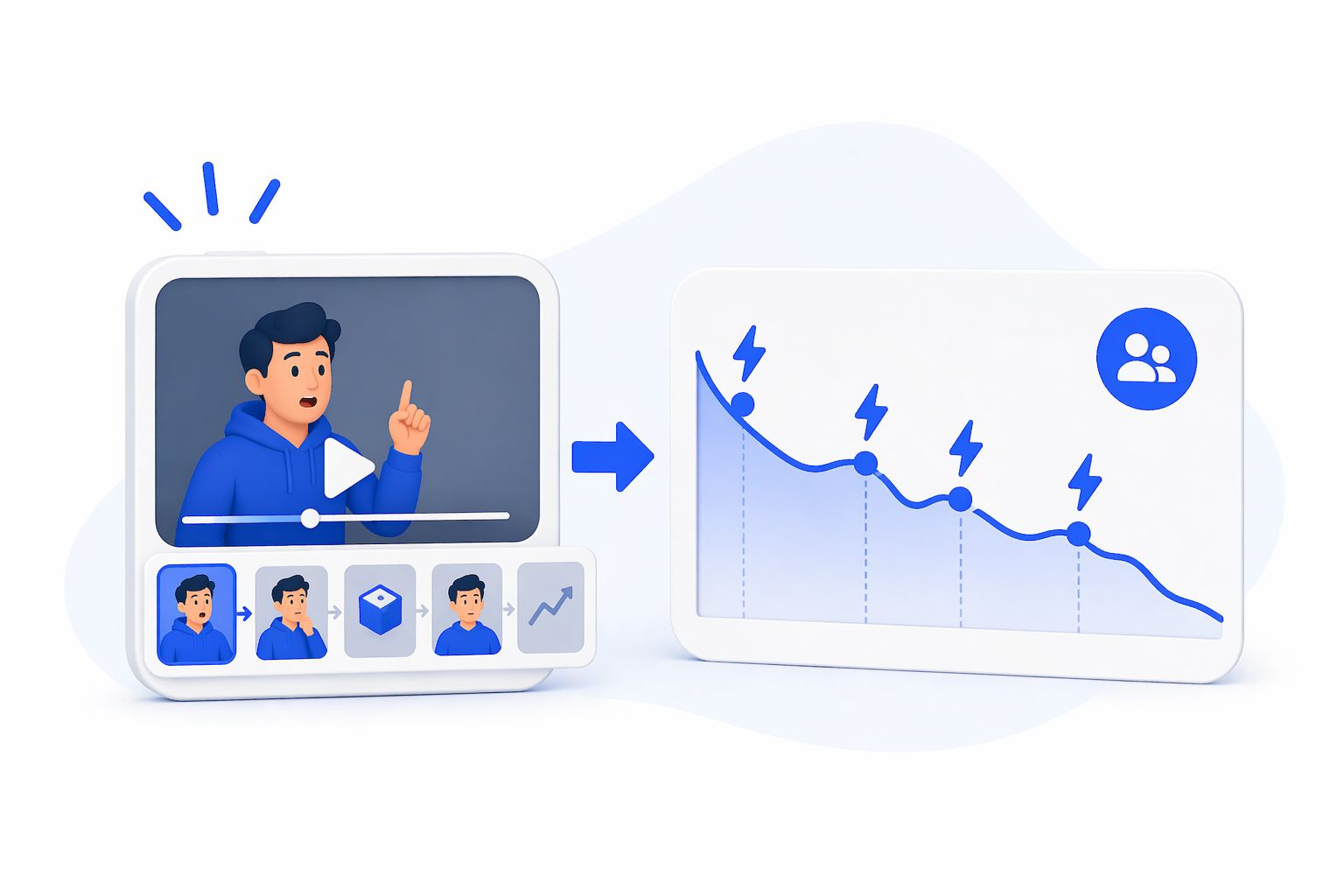
The opening three seconds of a reel get the majority of creator attention, and for good reason – they determine whether a viewer stays or swipes. But here’s the problem: a great hook that isn’t backed by consistent retention throughout the video is wasted. Instagram’s algorithm doesn’t just care whether people start watching. It cares whether they finish.
HubSpot’s 2026 Instagram Marketing data shows that average watch-through rates on Reels drop by roughly 35% between the three-second mark and the midpoint of the video – which is precisely the window where secondary hooks (pattern interrupts) make or break your retention curve.
What Secondary Hooks Actually Are
A secondary hook is any technique that resets viewer attention mid-video. It doesn’t have to be dramatic:
- A quick zoom-in on a key detail
- A sudden cut to a new angle or setting
- A text overlay that introduces a new sub-question
- A tonal shift in delivery (slower, louder, more direct)
- A B-roll clip that provides visual contrast
The purpose of each pattern interrupt is to catch the brain at the exact moment it starts drifting and pull it back into the video. Most viewers don’t consciously swipe away – their attention just gradually weakens until the activation barrier to swipe drops below their threshold. Pattern interrupts keep raising that barrier.
The Pacing Balance
It’s tempting to interpret “more pattern interrupts = better” as a simple rule. It isn’t. High-performing Reels use a rhythmic structure – rapid cuts at the opening to establish energy and hook dopamine, followed by slightly slower stretches where the actual value gets delivered, followed by another uptick in pace as the video reaches its conclusion.
Think of it like music. A song that plays at maximum intensity from start to finish is exhausting. The dynamics – the tension and release – are what make it compelling.
Aim for high density in the first four to six seconds, a moderate pace through the body, and a clear final hook or CTA that gives the viewer a next action. That architecture keeps session time high and gives Instagram the signal it needs to push your content further.
Viral Trigger 5: Profile Architecture — The Growth Lever Nobody Talks About
The Gap Between Going Viral and Growing
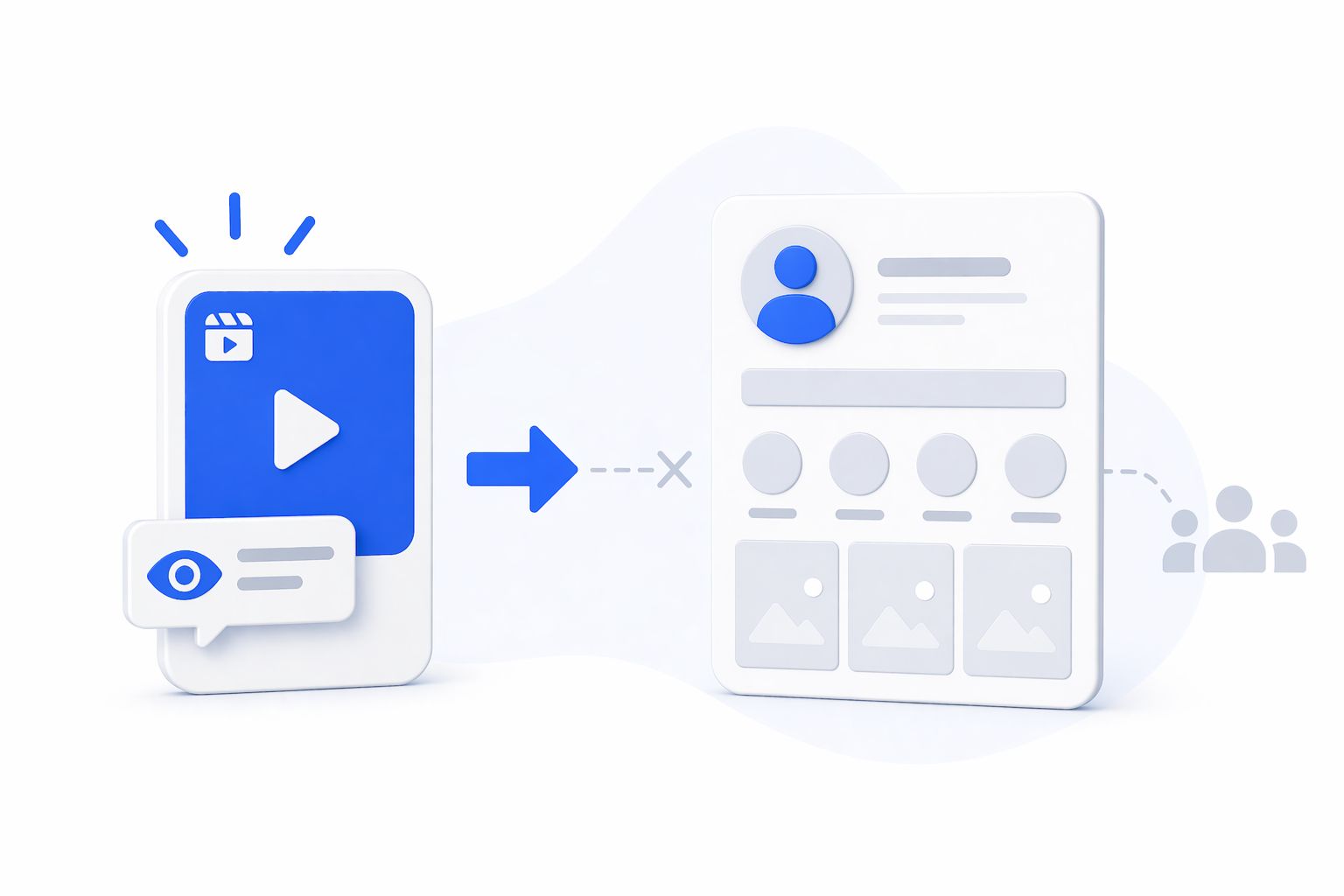
Here’s a scenario that frustrates creators constantly: a reel hits 150K views, drives thousands of profile visits – and converts maybe 50 new followers. The viral moment produced essentially zero lasting growth.
The reason is almost always profile architecture.
When a non-follower lands on your profile after watching a viral reel, they’re making a three-second decision: “Is there more where that came from?” If your profile doesn’t immediately answer “yes” – visually, structurally, and through your bio – they leave without following.
What a High-Converting Profile Looks Like in 2026
Highlights: Treat your story highlights as a landing page. The first four to six highlights should represent your core content pillars, and the covers should form a visually cohesive system. A new visitor should be able to identify your content categories in under five seconds.
Pinned Posts: Pin your three best-performing pieces of content, prioritizing posts that showcase your series or have a high comment-to-view ratio. These are your “first impression” posts – the samples that convince a non-follower your library is worth exploring.
Grid Consistency: You don’t need a perfectly color-matched aesthetic, but you do need visual coherence. Covers, typography treatment, and lighting should signal that a single creator with a clear point of view made all of this content.
Audience segmentation: As your following scales, so does the diversity of intent within your audience – some are casual browsers, others are potential buyers. Using ChatbotX’s contact management and segmentation lets you communicate differently with each group: nurturing cold followers, converting warm leads, and re-engaging past buyers – all automatically.
The Compounding Effect: Running All Five Triggers as a System
These five triggers don’t work best as isolated tactics. Their real power comes from running them as an integrated system:
| Trigger | Primary Function | Algorithm Signal |
|---|---|---|
| Content Series | Drives multi-reel sessions | Session depth from single profile |
| Trial Reels | Non-follower discovery + targeting | Audience qualification signal |
| Carousels | Opens second reach channel | Multiple distribution windows |
| Pattern Interrupts | Maximizes retention per video | Watch-through rate improvement |
| Profile Architecture | Converts reach into followers | Follow rate from non-followers |
Each trigger feeds the others. Trial reels bring non-followers to your profile. A strong profile architecture converts them. Your content series keeps them binge-watching. Pattern interrupts make sure every video in that session actually holds attention. Carousels surface your content to additional non-followers who missed the reels.
The result is a self-reinforcing loop: more sessions → higher algorithm priority → more reach → more non-followers → more sessions.
The Operational Reality: Consistency Is the Hard Part
Understanding these five triggers takes an afternoon. Executing them – consistently, week after week, across Instagram plus TikTok, YouTube Shorts, and Threads – is where most creators fail.
The volume alone is punishing: a full 2026 strategy involves filming and editing multiple reel formats, building carousels, testing trial reel variations, managing cross-platform posting, and monitoring analytics to adjust. Doing that manually, from a phone, across multiple accounts, is not sustainable beyond the first couple of months.
Buffer’s 2026 State of Social Media confirms that creators who use dedicated scheduling and automation infrastructure post 3.2x more consistently than those managing platforms manually – and that consistency gap compounds directly into reach and follower growth gaps over six to twelve months.
The specific tool matters less than the principle: the boring operational work – scheduling, cross-posting, DM management, audience segmentation – needs to run without you thinking about it, so your cognitive energy can go into the creative work that actually requires you.
If you’re evaluating platforms for this purpose, seeing how ChatbotX compares to existing automation tools is a practical starting point – especially if omnichannel coverage (WhatsApp, Messenger, Instagram DMs, Zalo) is part of your workflow.
Frequently Asked Questions

How often should I post Reels in 2026?
Quality and consistency matter more than raw frequency. Three to five Reels per week with strong series structure will outperform seven disconnected daily posts. The algorithm rewards profile session depth, not posting volume.
Are carousels better than Reels for reach?
They serve different functions. Reels have higher peak reach potential. Carousels have more sustained, multi-window reach over time. The ideal strategy uses both, ideally repurposing strong Reels into carousels within 30 days of original posting.
How many trial reels should I test per week?
Three to five is the safe range. Each trial reel should test a meaningfully different hook angle – not cosmetic variations of the same approach. Going above five per session risks triggering Instagram’s rate limits.
Do secondary hooks (pattern interrupts) work for longer Reels too?
Yes – in fact, they’re more important for longer content. Videos over 60 seconds need pattern interrupts roughly every six to eight seconds to maintain watch-through rates. The pacing rhythm (fast open, moderate body, strong close) scales to any length.
What’s the most important change to make right now if my account is stagnant?
Start with profile architecture. If you’re getting reach but not followers, your profile isn’t converting. A strong bio, cohesive highlights, and three pinned posts that showcase your best series will immediately improve your follower conversion rate from existing reach.
How do I manage the spike in DMs when a reel goes viral?
Manual management breaks fast at any real volume. An omnichannel inbox that centralizes Instagram DMs, WhatsApp, Messenger, and Zalo in one workspace – like ChatbotX’s unified inbox feature – ensures every inbound message gets a response without your team drowning in tabs.
Conclusion: The 2026 Instagram Opportunity
Instagram hasn’t gotten harder – it’s gotten more strategic. The creators who struggle in 2026 are the ones optimizing for individual post performance. The creators who thrive are the ones building content ecosystems: interconnected series that generate sessions, discovery-optimized carousels that open multiple reach windows, and profile architecture that converts reach into lasting audiences.
The five triggers in this guide are the building blocks of that ecosystem. Each one aligns directly with how the 2026 algorithm actually works, and each one is executable with a consistent workflow – regardless of whether you’re posting from a phone or managing a full content operation.
Start with the trigger that addresses your biggest current gap. If reach is the problem, focus on trial reels and carousels. If retention is the problem, audit your secondary hooks and pacing. If you’re getting reach but no followers, fix your profile architecture first.
The window on these tactics is real but not permanent. The best time to start was six months ago. The second best time is today.
Bonus: Turn Instagram Reach Into Real Conversations With ChatbotX
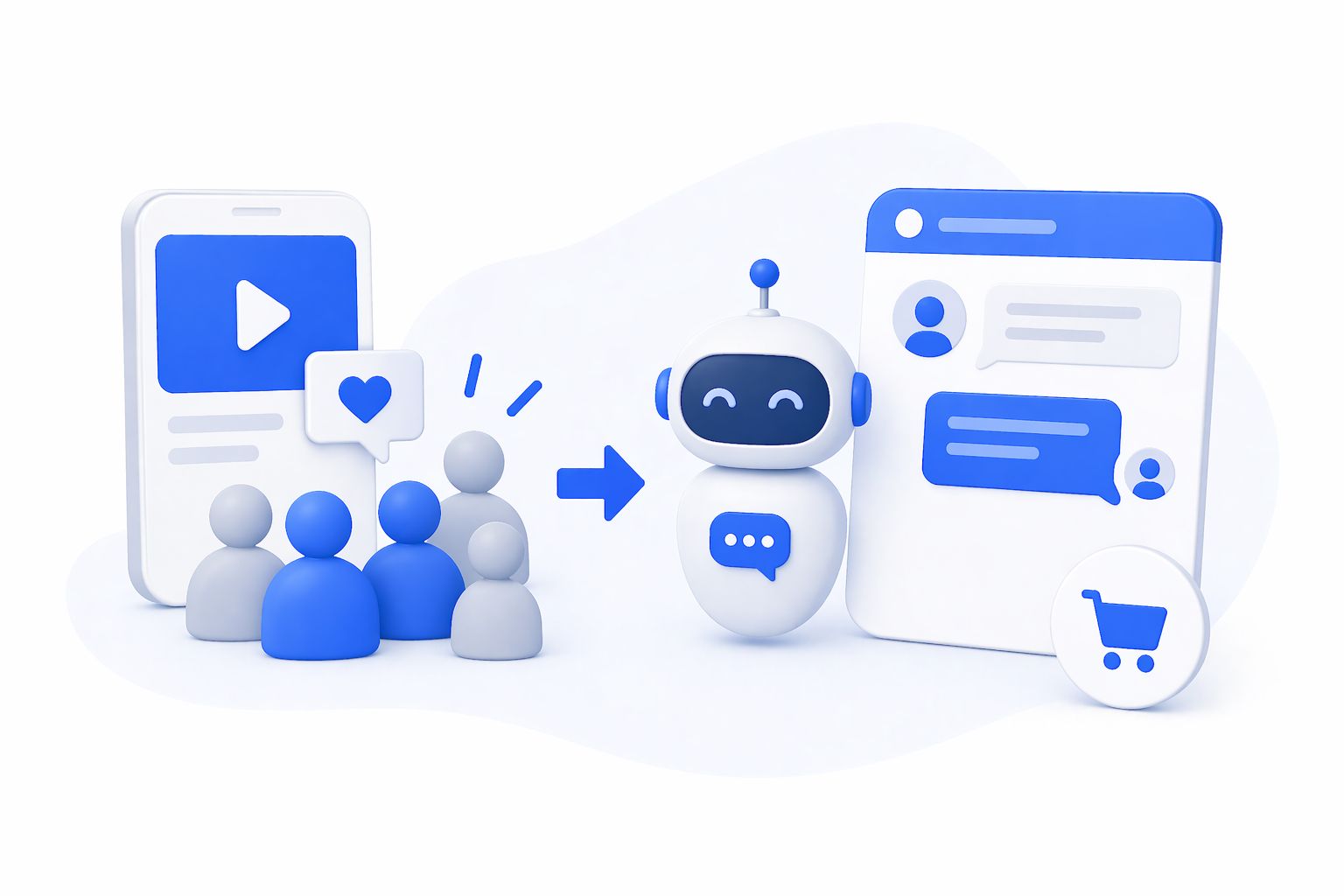
Growing on Instagram is one thing. Converting that audience into paying customers is where most creators and brands leave real money on the table.
ChatbotX is an open-source, agentic omnichannel chat marketing platform built for exactly this gap. When your content strategy starts generating inbound – DMs from viral reels, replies to story mentions, comment threads on your carousels – ChatbotX centralizes all of it into a single unified workspace across WhatsApp, Messenger, Instagram, Zalo, and Webchat.
Here’s how it maps directly to the five triggers in this guide:
- After a successful trial reel: Hundreds of new followers send DMs asking for more. ChatbotX’s automated flows instantly respond with your lead magnet, pricing brochure, or next-step CTA – no manual handling required, even at 3am.
- After a high-reach carousel: Segment the new contacts who engaged and fire a targeted broadcast campaign that re-engages them with your best content or a time-sensitive offer.
- As your audience scales: Contact segmentation splits your audience by behavior, channel, and purchase intent – so every message you send feels personal and relevant, not like a generic blast.
- When team coordination matters: The ChatbotX unified inbox gives your support and sales teams one place to see, assign, and respond to every conversation across every channel, with zero tab-switching.
ChatbotX is proudly open-source – self-host it for free forever, or try the Cloud version with a 7-day free trial (no credit card required). It’s purpose-built as a genuine ManyChat alternative for creators and businesses that want omnichannel reach, developer-grade flexibility, and no platform lock-in.
If you’re serious about turning Instagram growth into a real revenue channel, the ChatbotX blog is worth bookmarking – it publishes some of the most honest, practical content on social media automation and omnichannel strategy available right now.