As of January 7, 2026, Meta has officially transitioned from Recurring Notifications to the more robust Facebook Marketing Messages framework. This pivotal update allows brands to bypass the traditional 24-hour messaging window and deliver proactive, high-engagement broadcasts to opted-in subscribers. In this guide, you will master the new compliance standards, explore high-ROI use cases, and learn how to leverage ChatbotX to automate your Messenger re-engagement strategy for maximum conversion.
Launch agentic chat marketing in minutes with ChatbotX










What Changed: From Recurring Notifications to Marketing Messages
If you’ve been using Facebook Recurring Notifications to re-engage your Messenger audience, here’s what you need to know: Meta officially discontinued that feature on January 7, 2026, replacing it with a more integrated and scalable tool called Facebook Marketing Messages.
This isn’t just a rebrand – it’s a structural shift in how businesses are permitted to communicate proactively with customers on Messenger. The new Marketing Messages framework aligns with Meta’s broader push toward a unified business messaging experience across its platforms.
For brands, the transition means:
- Greater consistency in how opt-in requests are presented to users
- Improved targeting and segmentation capabilities
- A cleaner API structure for developers and automation platforms
- Stronger alignment with Meta’s privacy-first messaging philosophy
Understanding this shift is essential for any business that relies on Facebook Messenger as a direct marketing or customer engagement channel.
Related reading: How Chatbots Are Transforming Facebook Messenger Marketing in 2026
Why Facebook Marketing Messages Matter in 2026
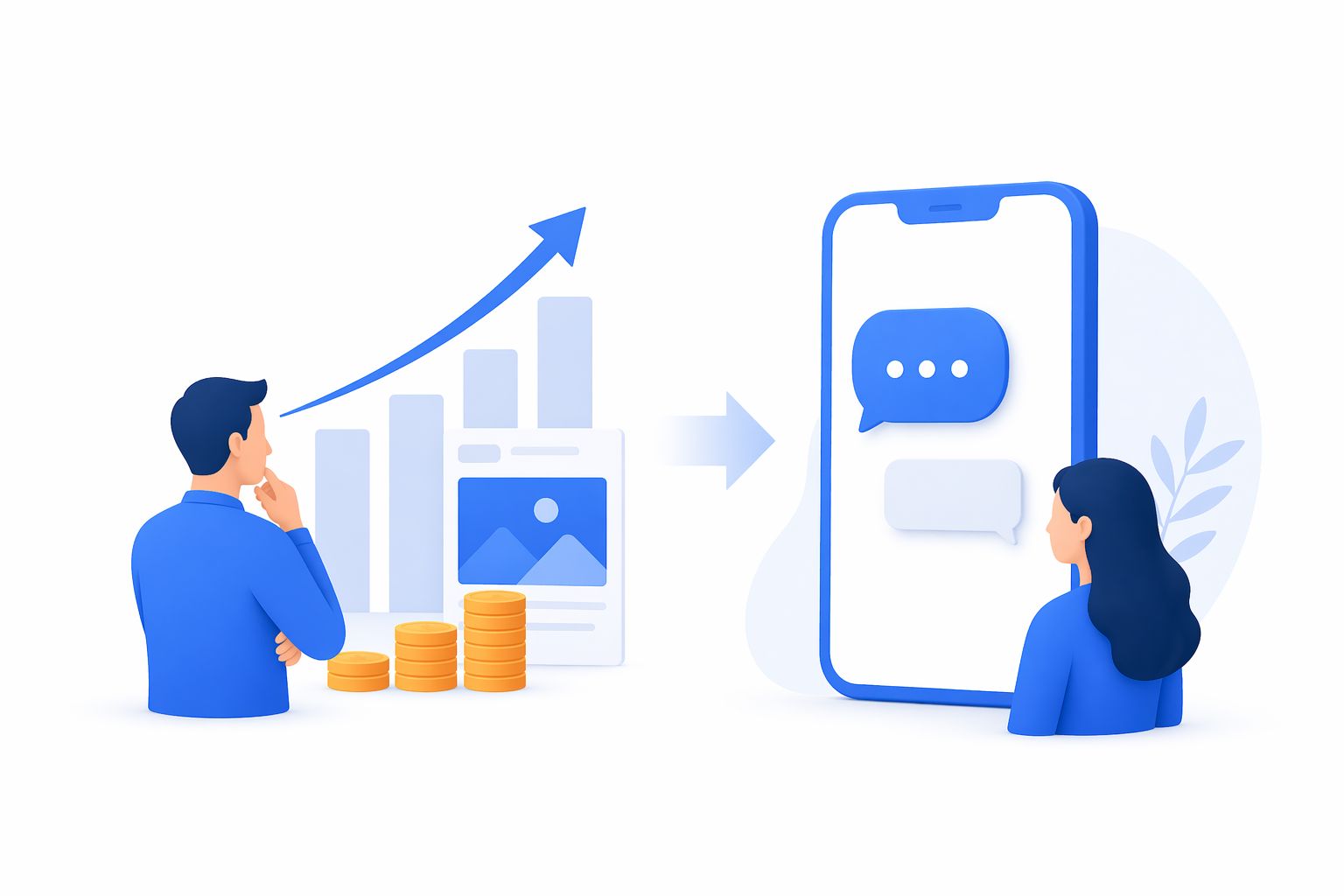
Digital advertising costs continue to climb year over year. For most businesses, acquiring a new customer through paid social ads now costs significantly more than retaining an existing one. That’s why owned communication channels – particularly Messenger – have become increasingly strategic.
Facebook Messenger currently has over 1.3 billion monthly active users, making it one of the most accessible direct-messaging surfaces available to businesses worldwide. Unlike email (which averages open rates below 25%) or SMS (which carries per-message costs), Messenger offers high-visibility delivery within a platform users already engage with daily.
The core problem that Marketing Messages solves is the 24-hour messaging window. Under Meta’s standard messaging policy, businesses can only reply to a user within 24 hours of the user’s last message. After that window closes, the conversation goes silent – unless the user opts in to receive Marketing Messages.
By securing a subscription, brands gain the ability to send one proactive message per agreed interval (daily, weekly, or monthly), regardless of whether the user has recently interacted with the page. This turns Messenger from a reactive support channel into an active revenue-generating tool.
Learn more: How Broadcast Messaging Works with ChatbotX
According to Meta for Developers, the Marketing Messages framework is designed to give users transparent control over the messages they receive while giving businesses a compliant channel for sustained outreach.
How Facebook Marketing Messages Work
The mechanics of Facebook Marketing Messages are straightforward, but understanding them fully is critical to deploying them effectively.
Step 1: The Opt-In Request
When a user’s conversation with your page goes quiet for more than 24 hours, you lose the ability to message them under the standard window. At this point – or at any earlier moment you choose – you can send an opt-in prompt asking the user to subscribe to your Marketing Messages.
This prompt typically includes:
- A topic label (e.g., “Weekly Flash Sales” or “New Arrivals Alerts”)
- The message frequency (daily, weekly, or monthly)
- A clear subscription button
The user must actively tap a button to confirm their opt-in. Passive acceptance is not permitted.
Step 2: The Subscription Window
Once a user opts in, your business is authorized to send one message per agreed interval for the duration of the subscription period. Here’s how the intervals map to subscription lengths:
| Frequency | Messages Per Period | Subscription Duration |
|---|---|---|
| Daily | 1 per day | Up to 6 months |
| Weekly | 1 per 7 days | Up to 9 months |
| Monthly | 1 per 30 days | Up to 12 months |
If the subscriber responds to any of your messages, that response reopens the standard 24-hour window, giving you additional flexibility to reply and engage more freely.
Step 3: Sending the Broadcast
Within your authorized window, you can send a rich media message that includes:
- Text and promotional copy
- Images or product cards
- Call-to-action buttons (Shop Now, Learn More, etc.)
- Deep links to product pages or landing pages
Personalization tokens (such as the user’s first name or last browsed category) can be embedded dynamically, increasing relevance and open rates.
Explore automation tools: ChatbotX Chatbot Builder for Messenger
Top Use Cases That Drive Real Results
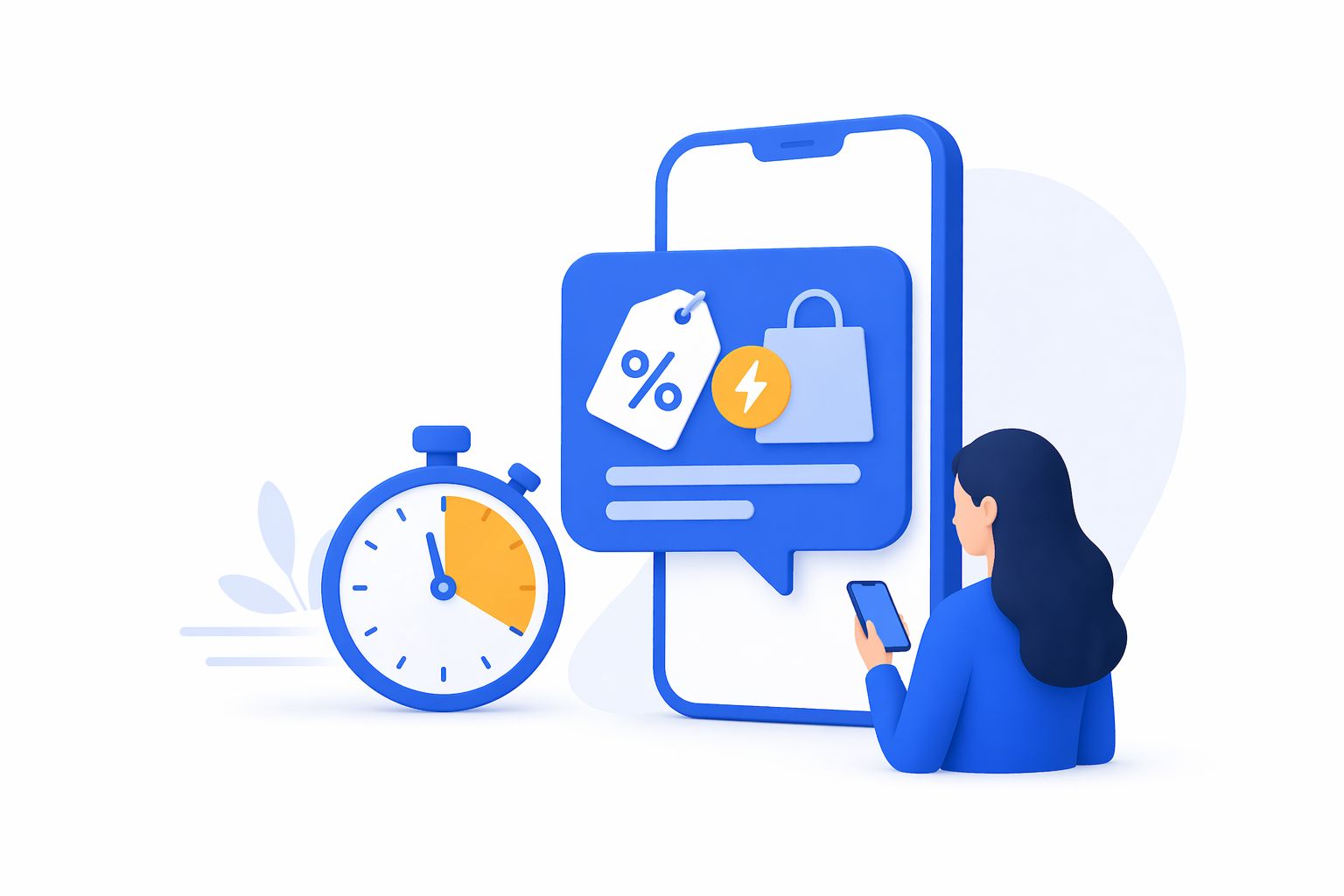
1. Flash Sale & Countdown Alerts
Time-limited offers create urgency. When subscribers know they’re getting early or exclusive access to a sale, they’re far more likely to opt in and stay subscribed. This is especially effective for:
- Black Friday / Cyber Monday countdowns
- Anniversary sale previews
- Members-only promotional access
The key is to frame the subscription offer around value, not just marketing. Subscribers who feel they’re receiving a genuine benefit are more likely to remain opted in throughout the full subscription period.
2. Back-in-Stock & New Product Notifications
Inventory-driven alerts are among the highest-converting message types on Messenger. If a customer previously viewed or wishlisted a product that was out of stock, a back-in-stock notification via Messenger can convert that existing intent into a completed purchase almost immediately.
Similarly, new arrival announcements sent to segmented subscriber lists (based on past purchase behavior or browsed categories) consistently outperform generic broadcast campaigns.
3. Loyalty & VIP Program Updates
Subscribers are, by definition, your most engaged customers. Messenger is an ideal channel for sharing loyalty program milestones, point balance updates, and exclusive member perks. These messages reinforce the value of being a subscriber and reduce churn over time.
4. In-Store Event Promotion
For businesses operating physical retail locations, Messenger Marketing Messages can bridge online and offline engagement. Subscribers located near a specific store can be targeted with event invitations, in-store promotion previews, or QR-code-gated offers that drive foot traffic.
5. Re-Engagement After Cart Abandonment
When combined with pixel tracking and chatbot automation, Marketing Messages can be triggered when a subscriber abandons a cart. A well-timed follow-up message referencing the specific product left behind – especially with a limited-time discount code – can recover a significant portion of lost revenue.
According to the Baymard Institute, the average online cart abandonment rate exceeds 70%. Even recovering a small fraction of those shoppers through Messenger re-engagement can deliver meaningful ROI.
6. Gamification & Interactive Campaigns
Interactive marketing formats – such as spin-the-wheel games, scratch card promos, or quiz-based campaigns – generate strong opt-in rates because users receive something in exchange for subscribing. After a customer completes a game interaction, the subscription prompt can be triggered automatically, capturing their opt-in at peak engagement.
Subscription Frequency Options Explained
Choosing the right subscription frequency for your campaigns is as important as the message content itself. Here’s how to think about each option:
Daily frequency is best suited for brands that have consistent, high-value content to share – such as e-commerce stores running daily deals, media publishers sharing content highlights, or service businesses offering daily tips. The 6-month window provides sustained reach, but the content must remain fresh and relevant to prevent opt-out spikes.
Weekly frequency strikes a balance between staying top-of-mind and avoiding fatigue. It’s well-suited to brands with weekly cycles – such as restaurants sharing weekend specials, fitness brands sending workout challenges, or retailers previewing new weekly arrivals. The 9-month window gives seasonal campaigns full coverage.
Monthly frequency works best for high-consideration purchases or services with natural monthly billing cycles. Think subscription box reveals, monthly account summaries, or exclusive member updates. The 12-month window offers the longest sustained permission to communicate, but each message must deliver significant value given the infrequency.
8 Proven Strategies to Grow Your Subscriber List
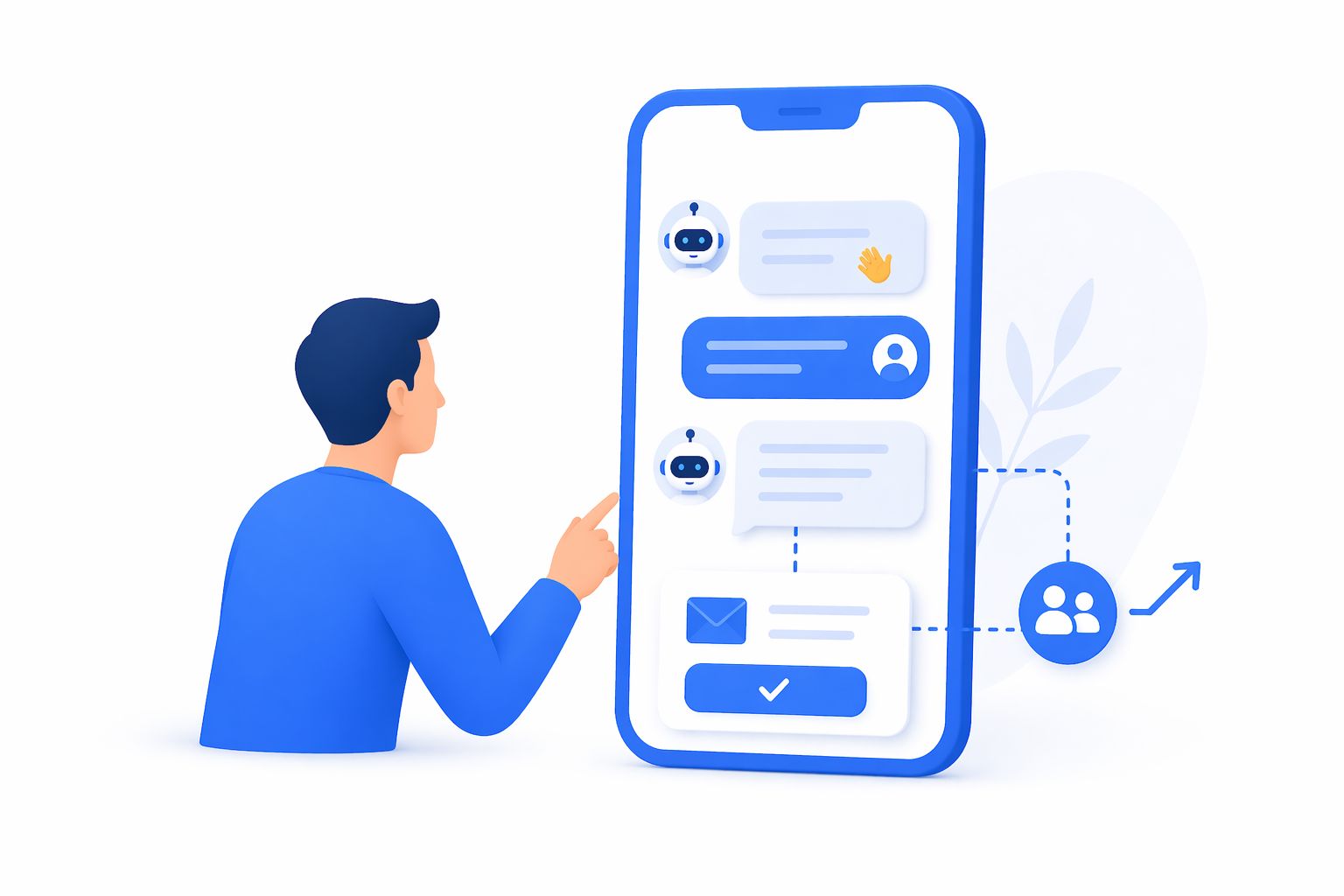
1. Embed the Opt-In in Your Welcome Message Flow
The moment a new user initiates a conversation with your page for the first time is when engagement is highest. Build your welcome message bot flow to include a Marketing Messages subscription prompt immediately, while the user’s interest is at its peak.
Design the prompt to feel conversational – not transactional. Explain clearly what subscribers will receive and how often, then invite them to tap in.
2. Use Facebook Persistent Menu as a Subscription Trigger
The Persistent Menu is the hamburger icon at the bottom of every Messenger conversation. By adding a “Get Exclusive Updates” option to your Persistent Menu, you give any user – at any point in their conversation history – a clear path to subscribe.
This is a low-friction entry point that works passively in the background without requiring any active campaign.
3. Drive Opt-Ins from Facebook Ads
Click-to-Messenger ads can be configured to automatically trigger a subscription prompt the moment a user arrives in your Messenger inbox from the ad. This closes the loop between your paid acquisition spend and your owned audience growth, turning ad clicks into long-term Messenger subscribers rather than single interactions.
4. Trigger Subscriptions from Comment Automation
When users comment on specific posts or ads using a designated keyword, automation tools can send them a Messenger reply that includes the subscription opt-in. This is particularly effective for posts with strong organic engagement, such as product announcement posts or promotional contest posts.
5. Feature the Opt-In in Website Chat Widgets
If you have a Messenger chat plugin embedded on your website, you can configure it so that visitors who initiate a chat are automatically shown a Marketing Messages subscription prompt. This converts website traffic into a long-term Messenger audience – a significant upgrade from cookie-based retargeting.
Learn about chat widget integration: ChatbotX Website Chat Widget Setup
6. Cross-Promote via WhatsApp and Email
If your business operates on multiple channels, broadcast your Messenger subscription link to your existing WhatsApp contacts or email list. Users already familiar with your brand are far more likely to opt in, especially if you frame the subscription as an exclusive benefit.
7. Incorporate Subscriptions into Post-Purchase Flows
The moment after a purchase is completed is one of the highest-trust touchpoints in a customer relationship. Build your post-purchase chatbot flow to include a Marketing Messages subscription prompt as part of the order confirmation or shipping notification sequence.
8. Use Remarketing Messages on Your Website
Display remarketing banners or slide-in popups on your website that link directly to a Messenger subscription flow. Segment these by browsing behavior – for example, showing product-specific subscription prompts to users who viewed a particular category page.
According to Sprout Social’s messaging benchmark data, brands that respond quickly and maintain consistent Messenger communication see substantially higher customer satisfaction scores than those relying solely on email and phone support.
Best Practices for High-Performing Broadcasts
Lead with value, not the ask. Every Marketing Message your subscribers receive should make them feel glad they opted in. If the first few messages feel like generic promotions, opt-out rates will climb. Instead, lead with personalized recommendations, exclusive offers, or genuinely useful content.
Keep copy short and action-oriented. Messenger is a conversational medium. Long paragraphs don’t perform well. Use short, punchy copy with a clear single CTA per message. Think of each message as a text from a trusted friend with a recommendation – not a marketing email.
Test message timing. The time of day your message is delivered affects open rates significantly. Test across different delivery windows (morning commute, lunch break, evening) and align your schedule with your audience’s natural Messenger usage patterns.
Segment your subscriber list. Not all subscribers have the same interests or purchase history. Where possible, use tagging and behavioral segmentation to send different messages to different subscriber groups – new customers vs. repeat buyers, browsed category A vs. category B, engaged openers vs. passive subscribers.
Monitor opt-out signals. If a specific campaign generates a spike in opt-outs, treat it as a signal, not just a stat. Review the message content, frequency, and timing to identify what triggered the churn and adjust future campaigns accordingly.
Always respect the subscription. Marketing Messages are permission-based. Abusing that permission – by sending messages that don’t match the subscribed topic, or pushing beyond the agreed frequency – will generate user complaints and risk your page’s standing with Meta.
FAQs
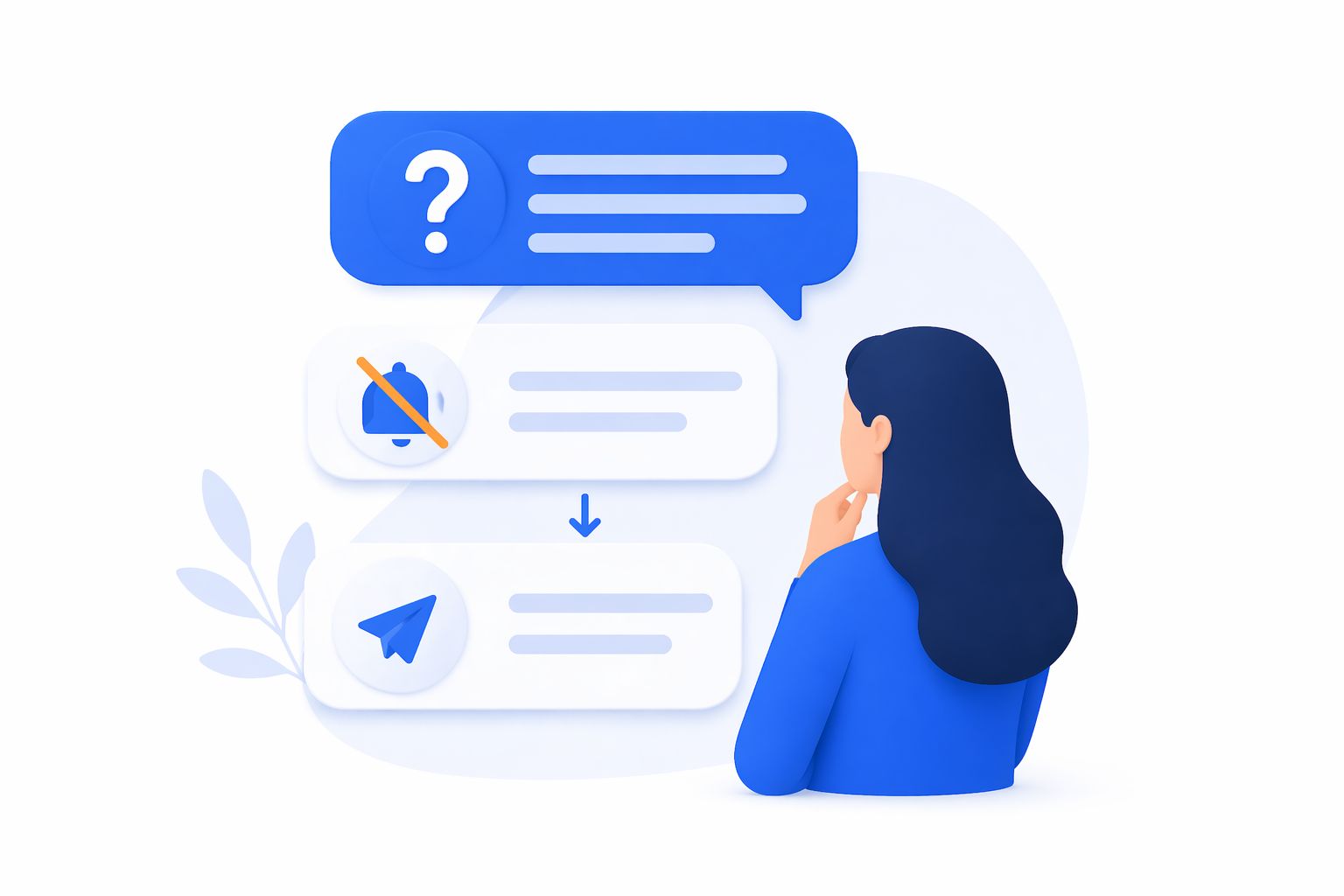
Can I still use Facebook Recurring Notifications after January 2026?
No. Meta officially discontinued the Recurring Notifications product on January 7, 2026. If your business was using Recurring Notifications, you will need to migrate to the new Marketing Messages framework. Work with a certified Meta Business Partner or a platform like ChatbotX to transition your existing flows.
Is there a limit to how many subscribers I can have?
No. There is no platform-imposed cap on the number of subscribers your Marketing Messages list can include. Your list size is limited only by your organic and paid audience-building efforts.
What happens when a subscriber’s opt-in period expires?
Once the subscription window ends (6, 9, or 12 months depending on frequency), the opt-in expires. You will need to send a new subscription request to re-capture the user’s permission before you can send additional proactive messages.
Can I send Marketing Messages to users who never subscribed?
No. A confirmed opt-in is required. Sending Marketing Messages to non-subscribers violates Meta’s platform policies and can result in messaging restrictions on your page.
How are Marketing Messages different from sponsored messages?
Sponsored Messages are paid placements that can reach any user who has previously messaged your page – without requiring an explicit opt-in. Marketing Messages are organic, permission-based communications that require an active subscription but carry no per-message cost beyond any platform fees associated with your messaging partner.
Conclusion
Facebook Marketing Messages represent a mature, permission-first evolution of what Recurring Notifications started. For brands willing to invest in building a genuine Messenger subscriber base – and in delivering consistent value to those subscribers – this channel offers direct access to an audience that’s already signaled they want to hear from you.
The businesses that will see the strongest results in 2026 are those treating Messenger as a relationship channel, not a broadcast pipe. That means personalized messaging, intelligent segmentation, multi-touchpoint subscriber acquisition strategies, and a relentless focus on content that earns the subscriber’s continued permission.
If you’re looking for a platform that combines Messenger marketing automation with multi-channel chatbot capabilities, it’s worth exploring ChatbotX. ChatbotX is built to help businesses design, launch, and scale intelligent chatbot flows across Facebook Messenger and other major messaging platforms – from subscriber acquisition automations to broadcast campaign management. Visit the ChatbotX blog for in-depth guides on messenger marketing, chatbot strategy, and automation best practices tailored for growth-focused teams in 2026.