Every peak season, brands pour enormous budgets into paid ads, email sequences, and SMS blasts – only to watch conversion rates plateau. The real competitive edge in 2026 isn’t spending more; it’s reaching customers where their attention already is. With WhatsApp surpassing 3 billion monthly active users and an open rate that towers at 98%, distributing your seasonal promotions through WhatsApp coupons is no longer an experiment – it’s a measurable growth lever.
This guide breaks down exactly how to structure, distribute, and optimize a WhatsApp coupon strategy that converts during your highest-traffic windows.
Launch agentic chat marketing in minutes with ChatbotX













Why WhatsApp Outperforms Traditional Channels During Peak Sales Periods
Before diving into tactics, it’s worth understanding the structural advantage WhatsApp holds over conventional marketing channels:
| Channel | Average Open Rate | Average CTR | Time to Open |
|---|---|---|---|
| ~20% | 2–3% | 6–12 hours | |
| SMS | ~45% | 5–6% | 3–5 minutes |
| ~98% | 15–25% | Under 3 minutes |
These numbers aren’t just impressive in isolation – they fundamentally change the unit economics of a seasonal campaign. When 98 out of 100 recipients see your message, every dollar you invest in coupon distribution compounds more efficiently. The result is a lower Customer Acquisition Cost (CAC) and a significantly higher Return on Ad Spend (ROAS).
According to Meta’s official WhatsApp Business data, businesses using the WhatsApp Business API for promotional messaging report response rates 4–5x higher compared to email campaigns run in parallel.
Key insight: During seasonal spikes (Black Friday, Eid, Lunar New Year, Diwali), shoppers are primed to spend – but they’re also overwhelmed with messages. WhatsApp coupons cut through inbox clutter because they land in a personal conversation space, not a promotional folder.
What Makes WhatsApp Coupons Different from Standard Discount Codes
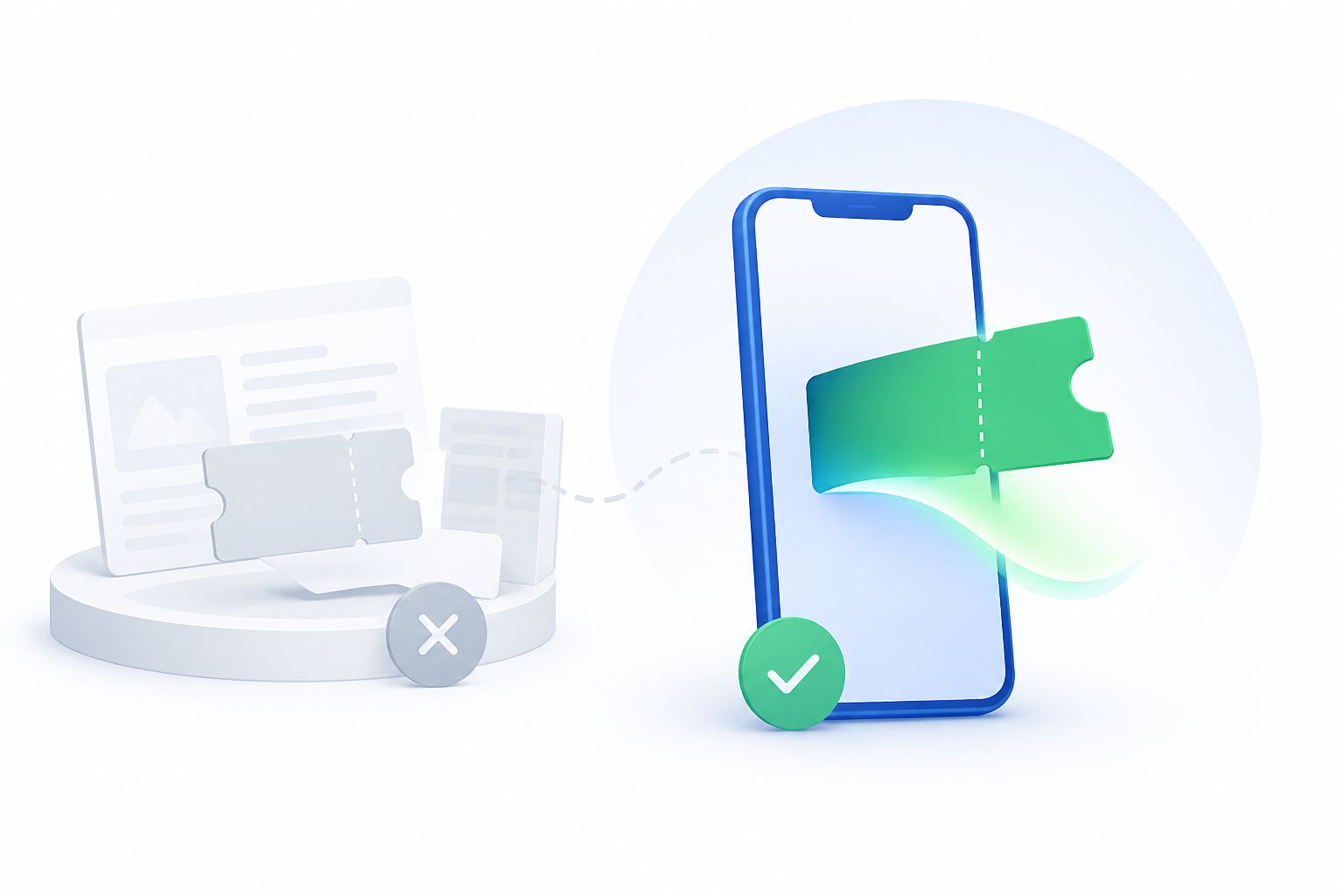
A standard discount code is passive. It sits on a landing page, gets posted on coupon aggregator sites, and often ends up shared with people far outside your target segment – eroding margins without building loyalty.
A WhatsApp coupon operates on an entirely different model:
- One-to-one delivery: Each code is sent directly to a specific phone number, making it personal and traceable.
- Single-use validation: Codes can be tied to individual users, preventing viral sharing on public coupon sites.
- Contextual timing: You control exactly when the coupon is delivered based on behavioral triggers (cart abandonment, product views, re-engagement windows).
- Instant accessibility: The coupon lives inside the recipient’s chat history, requiring zero extra steps at checkout.
This combination effectively eliminates what marketers call the “Friction Gap” – the dropout that happens when a customer has to switch apps, check their email, or memorize a code before completing a purchase. When the code is already in their chat window, the path from intent to transaction is frictionless.
5 High-Converting WhatsApp Coupon Strategies for Seasonal Campaigns
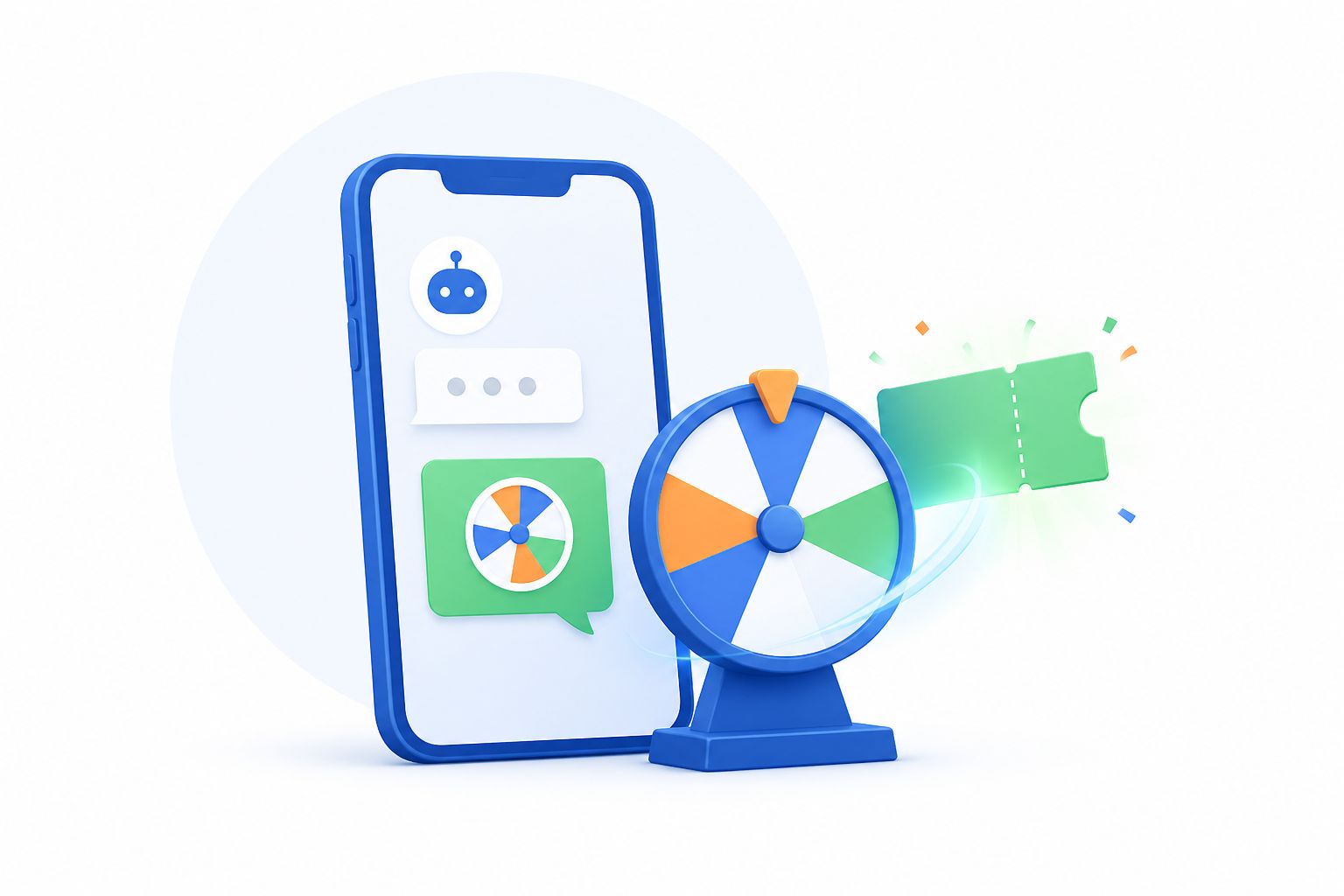
1. Gamified Reveal Campaigns
The psychology of gamification is well-documented: when customers feel they’ve earned a reward, they’re far more likely to redeem it. Instead of sending a flat “10% OFF” message, structure your seasonal coupon as a game:
- Spin the Wheel: A click-to-WhatsApp (CTWA) ad leads users into a chatbot flow where they spin a digital wheel to reveal their discount tier (10%, 15%, free shipping, or a gift).
- Scratch Card: An interactive message with a “scratch to reveal” mechanic before the coupon code appears.
- Mystery Box: Users choose from three options, each hiding a different prize.
The psychological principle at work here is the endowment effect – once a customer feels they own a discount, the mental cost of not using it feels higher than the discount itself. Redemption rates for gamified coupons can be 2–3x higher than standard codes.
💡 Pro tip: Always pair gamified coupons with a countdown timer. A message like “Your exclusive 20% code expires in 4 hours” creates urgency without feeling aggressive.
2. Segmented Broadcast Drops
Sending the same coupon to your entire contact list is the fastest way to train your audience to ignore you. In 2026, behavioral segmentation is the baseline for any performance-driven brand.
Structure your broadcast drops around purchase intent signals:
- High-intent segment: Users who viewed a product page in the last 7 days → Send a high-value, time-limited coupon with a direct product link.
- Lapsed customers: Users who haven’t purchased in 60+ days → Send a “We miss you” re-engagement coupon at a slightly lower discount to test price sensitivity.
- VIP or loyalty tier: Top 10% of buyers by LTV → Send early access to your sale 24 hours before it goes public.
- New subscribers: Users who opted in via CTWA → Send a welcome offer within the first hour to capitalize on high initial intent.
This approach ensures your best offers reach the people most likely to act on them, protecting your margins while maximizing conversion volume.
Learn more about how ChatbotX Growth Tools power intelligent broadcast segmentation →
3. Cart Recovery Coupon Sequences
Cart abandonment is one of the most expensive revenue leaks in eCommerce. Industry data from Baymard Institute puts the global average cart abandonment rate at approximately 70%. For seasonal campaigns, where ad costs are elevated, recovering even 15–20% of abandoned carts can significantly improve your campaign ROI.
A WhatsApp cart recovery sequence might look like this:
Step 1 – Soft nudge (1 hour after abandonment):“Hey [Name], your cart is still waiting! Your items are popular and may sell out. Need help completing your order?”
Step 2 – Coupon introduction (4 hours after abandonment):“Still thinking it over? Here’s a little push – use code SAVE15 for 15% off your order. This offer expires at midnight tonight.”
Step 3 – Final urgency (24 hours after abandonment):“Last call! Your exclusive code SAVE15 expires in 2 hours, and your cart items are almost sold out. Tap here to secure your order now.”
The key is that each message adds value rather than repeating the same ask. The coupon only appears at step 2, rewarding patience without training users to abandon carts intentionally.
Explore how WhatsApp automation sequences can be built visually with ChatbotX Flow Builder →
4. Click-to-WhatsApp (CTWA) Ads as a Coupon Entry Point
One of the highest-leverage ways to grow your WhatsApp subscriber list before a big sale is through CTWA ads on Meta platforms. These ads send users directly into a WhatsApp chat when clicked – bypassing the landing page entirely.
The strategy:
- Run a CTWA ad on Facebook or Instagram offering an “Early Access” or “Exclusive Preview” discount.
- When the user clicks, an automated chatbot greets them, collects basic information (optional), and instantly delivers a coupon code.
- The user is now a verified WhatsApp contact you can re-engage throughout the campaign.
This method is particularly effective for building pre-sale anticipation lists. Unlike email subscribers who might disengage, WhatsApp contacts are opted in with active intent – they literally clicked a button to receive your message.
Read the full guide on re-engaging subscribers through Facebook & WhatsApp Marketing Messages →
5. Offline-to-Online (O2O) Coupon Redemption
For brands with a physical retail presence, WhatsApp coupons serve as the connective tissue between online marketing and in-store revenue. The flow is simple:
- Broadcast a coupon with a QR code or a unique alphanumeric code.
- Customers visit the store and present the WhatsApp message on their phone.
- Staff scan or manually enter the code at the POS system.
- Redemption is logged, attributed, and automatically invalidated to prevent reuse.
This model is particularly powerful for sectors like beauty, fashion, and food & beverage, where brand experience in the physical space remains important but digital acquisition costs need to be justified through trackable store conversions.
Building the Technical Infrastructure for WhatsApp Coupon Campaigns
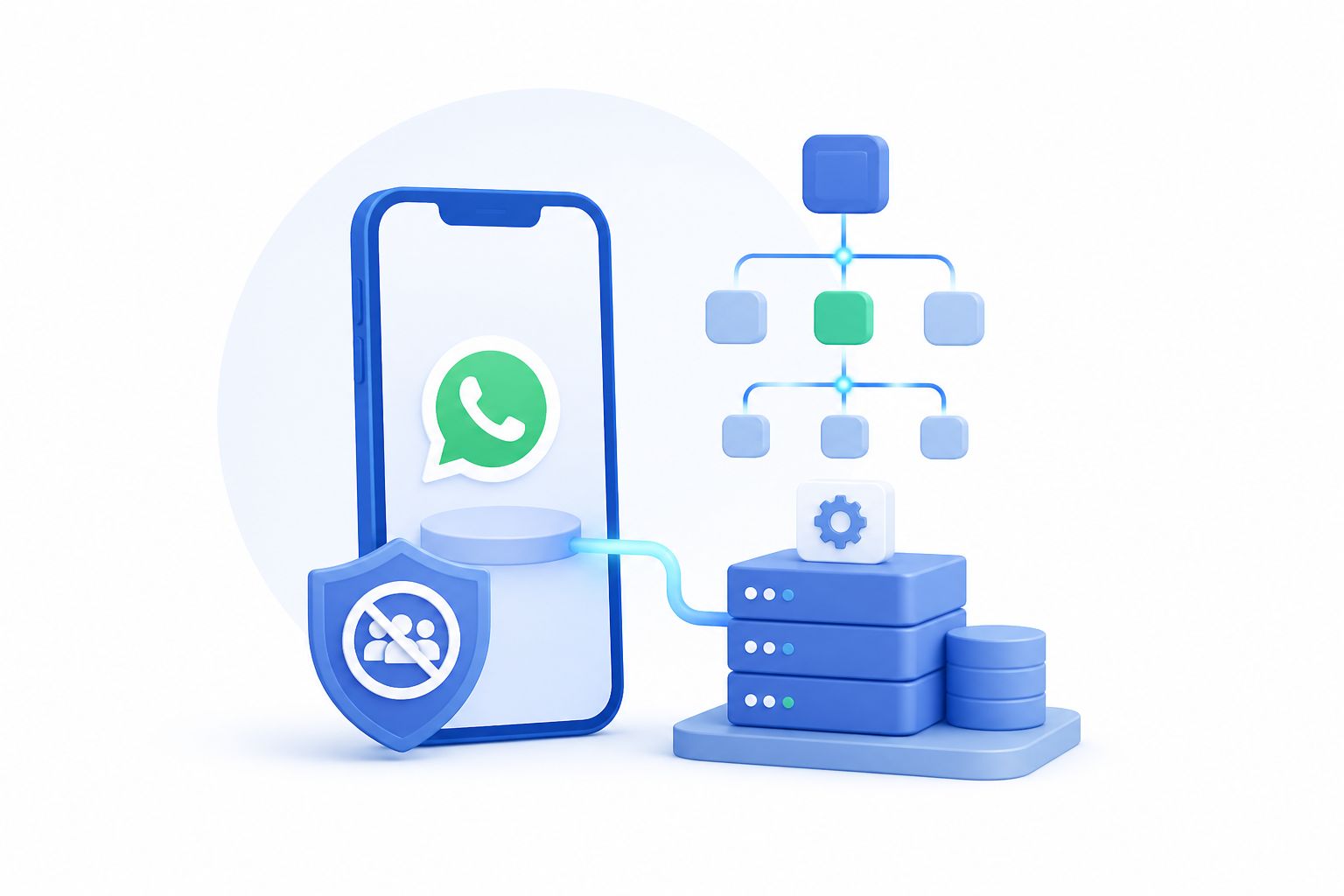
Getting the strategy right is only half the equation. The other half is execution infrastructure. Here’s what you need:
WhatsApp Business API Access
Consumer WhatsApp does not support broadcast messaging or automated flows. You need access to the WhatsApp Business API – either directly through Meta or via an approved Business Solution Provider (BSP). This unlocks:
- Sending messages to opted-in contacts at scale
- Template message approval (required for promotional messages)
- Webhook integrations for automated triggers
- Analytics dashboards for delivery, read, and response rates
Coupon Management System
A robust coupon management system should handle:
- Unique code generation (preventing duplication or fraud)
- Expiry control (time-based or usage-based)
- Attribution tracking (linking redemptions back to specific campaigns or segments)
- Real-time invalidation (deactivating a code the moment it’s used)
Chatbot Automation Layer
This is where the magic happens. An AI-powered chatbot sits between the message delivery and the human response, handling:
- Initial opt-in and welcome flows
- Gamification mechanics (spin wheel, scratch card logic)
- Cart abandonment detection and sequence triggering
- Coupon delivery and redemption confirmation
- Escalation to live agents for complex queries
Discover how ChatbotX AI Agents streamline WhatsApp coupon delivery and cart recovery →
Measuring Campaign Performance: KPIs That Actually Matter
Vanity metrics like “messages sent” tell you nothing. Focus on these performance indicators:
Core Metrics
- Coupon Delivery Rate: Percentage of sent messages successfully delivered (target: >95%)
- Coupon Open Rate: Percentage of delivered messages opened (target: >90% on WhatsApp)
- Coupon Redemption Rate: Percentage of recipients who used the code (target: 15–35% depending on offer value)
- Revenue Per Message Sent: Total campaign revenue divided by total messages sent
Efficiency Metrics
- ROAS (Return on Ad Spend): Revenue generated per dollar spent on the campaign, including broadcast costs and ad spend if using CTWA
- Cart Recovery Rate: Percentage of abandoned carts recovered via coupon sequences
- Cost Per Redemption: Total campaign cost divided by the number of successful coupon uses
Retention Metrics
- Post-Campaign Retention Rate: What percentage of coupon users return to purchase within 30 days without a coupon?
- Customer Lifetime Value (CLV) Shift: Did coupon acquires from this season show higher or lower LTV than organic acquires?
Common Mistakes That Kill WhatsApp Coupon Campaign ROI
Even well-planned campaigns can underperform. Here are the most common execution errors:
1. Sending promotional templates to non-opted-in contactsThis violates WhatsApp’s Terms of Service and risks your account being flagged or banned. Always ensure contacts have explicitly opted in before sending promotional messages.
2. Using generic, non-segmented broadcastsBlasting the same offer to your entire list dilutes relevance and trains users to ignore future messages. Segment always.
3. Not testing message templates before campaigns go liveWhatsApp requires pre-approval for promotional message templates. Submit templates 48–72 hours before your campaign window opens to avoid delays.
4. Ignoring the opt-out experienceMake it easy for users to unsubscribe. A cumbersome opt-out process leads to spam reports, which can impact your WhatsApp quality rating and deliverability.
5. Over-sending during peak windowsMore messages ≠ more revenue. During high-traffic sale periods, limit promotional messages to 2–3 per campaign window. Over-messaging leads to block rates that damage your long-term list health.
Seasonal Calendar: When to Deploy WhatsApp Coupon Campaigns
The timing of your campaign matters as much as the content. Here’s a strategic seasonal framework:
| Season / Event | Region Focus | Lead Time | Campaign Duration |
|---|---|---|---|
| Chinese New Year | Asia-Pacific | 2–3 weeks | 7–10 days |
| Ramadan / Eid | Middle East, Southeast Asia | 3–4 weeks | 30 days + Eid weekend |
| Mother’s Day | Global | 1–2 weeks | 5–7 days |
| Mid-Year Sale | Global / Southeast Asia | 1 week | 3–5 days |
| Back-to-School | Americas, Europe | 2 weeks | 7–14 days |
| Singles’ Day (11.11) | Asia-Pacific | 2–3 weeks | 1–3 days |
| Black Friday / Cyber Monday | Global | 3–4 weeks | 5–7 days |
| Year-End / Christmas | Global | 3–4 weeks | 14–21 days |
Plan your coupon mechanics and audience segmentation at least 4 weeks before each event. Use the 2 weeks prior for list building (via CTWA ads) and the final week for urgency-based conversion sequences.
See how to plan your seasonal messaging strategy with Meta Marketing Messages →
Real-World Impact: What the Numbers Show
While individual campaign results vary by industry, audience size, and offer quality, here are the benchmarks performance marketers are reporting in 2026:
- Coupon redemption rates via WhatsApp consistently outperform email by 4–6x when matched for offer value.
- Cart abandonment recovery through WhatsApp sequences achieves 15–25% recovery rates – significantly above email’s 5–8% average.
- CTWA-acquired contacts convert to first-time buyers at 3–4x the rate of traffic from paid search ads landing on product pages.
- Revenue per send for WhatsApp broadcast campaigns in Q4 averages \$0.30–\$0.80 per message – among the highest of any digital channel.
These numbers reflect a broader structural shift: customers in 2026 prefer to interact with brands in conversational environments, and WhatsApp is where that preference is most concentrated.
Frequently Asked Questions
Is WhatsApp legal for promotional messaging?
Yes, provided you use the official WhatsApp Business API and only message contacts who have explicitly opted in. Businesses must comply with WhatsApp’s Commerce Policy and applicable regional data protection regulations (GDPR, PDPA, etc.).
How do I prevent coupon codes from being shared publicly?
Use unique, single-use codes generated per contact. Tie each code to the recipient’s WhatsApp number in your system. When a code is entered at checkout, your backend validates it against the associated number – if the numbers don’t match, redemption is denied.
What’s the minimum audience size to make WhatsApp coupon campaigns worthwhile?
Meaningful results can start with as few as 500 opted-in contacts, especially if they’re well-segmented. The channel economics (low broadcast cost, high open rate) mean even small lists can generate significant revenue per send.
Can WhatsApp coupons work for B2B businesses?
Absolutely. B2B buyers are also individuals who use WhatsApp personally. Seasonal promotions tied to annual contract renewals, product upgrades, or bulk order incentives can be highly effective – especially in markets where WhatsApp is the primary professional communication tool (Southeast Asia, India, Middle East, Latin America).
How does coupon attribution work in WhatsApp campaigns?
Each unique code is tagged with campaign metadata (segment ID, broadcast date, offer type). When a redemption occurs, the system logs the code and traces it back to the originating campaign, giving you clean, channel-specific attribution – no last-click distortion.
Conclusion: WhatsApp Coupons Are a Core Revenue Channel, Not a Side Experiment
The brands seeing the highest seasonal ROAS in 2026 aren’t necessarily spending more – they’re spending smarter by meeting customers where intent is highest and friction is lowest. WhatsApp coupons, when executed with proper segmentation, gamification mechanics, and automated recovery sequences, transform a crowded promotional calendar into a sustainable, attribution-clear revenue stream.
The shift from broadcast advertising to conversational commerce isn’t a trend – it’s a permanent evolution in how purchase decisions are made. Coupons distributed through WhatsApp aren’t just discounts; they’re entry points into ongoing customer relationships that compound in value over time.
Ready to build your WhatsApp coupon system from scratch? ChatbotX is built for exactly this – a no-code platform that lets you design WhatsApp chatbot flows, distribute uniquely generated coupons, automate cart recovery sequences, and track redemption performance in one dashboard. Whether you’re preparing for your next seasonal sale or building year-round engagement infrastructure, ChatbotX gives your team the tools to execute without engineering overhead.