
The modern shopper doesn’t think in channels. They browse Instagram during lunch, walk into a physical store after work, and complete a purchase on their phone at midnight. Yet most retail businesses still operate as if these touchpoints exist in completely separate universes – separate data, separate staff incentives, separate customer records.
That disconnect is expensive. And OMO Retail – short for Online-Merge-Offline – is the business model designed to eliminate it entirely.
Launch agentic chat marketing in minutes with ChatbotX














What Is OMO Retail?
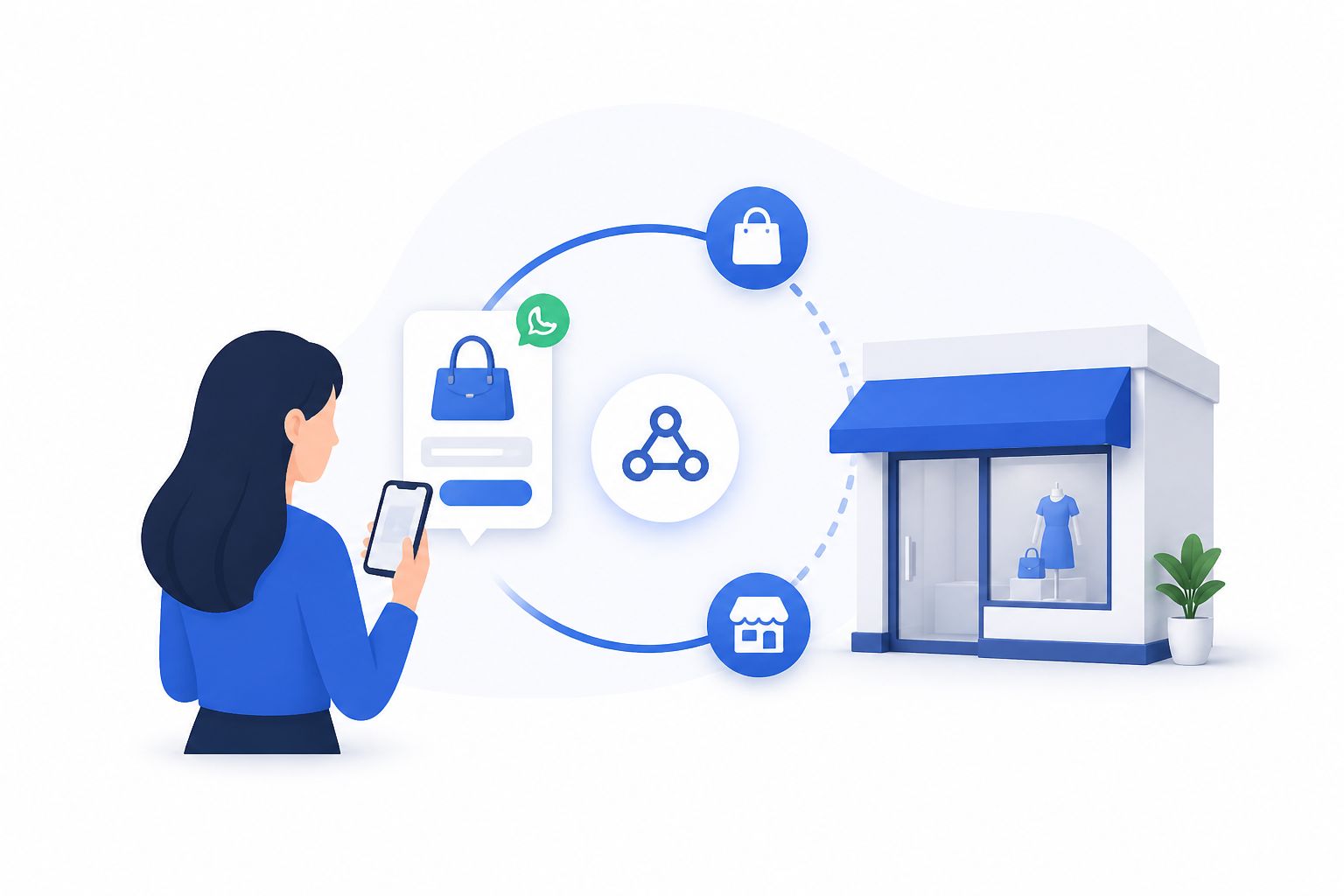
OMO Retail is a commerce architecture where digital and physical retail channels aren’t just coordinated – they are structurally merged into a single operational entity. Unlike traditional omnichannel retail, which focuses on providing consistent messaging across channels, OMO goes further: it synchronizes inventory, customer data, staff performance, and post-purchase engagement into one unified loop.
In practice, this means:
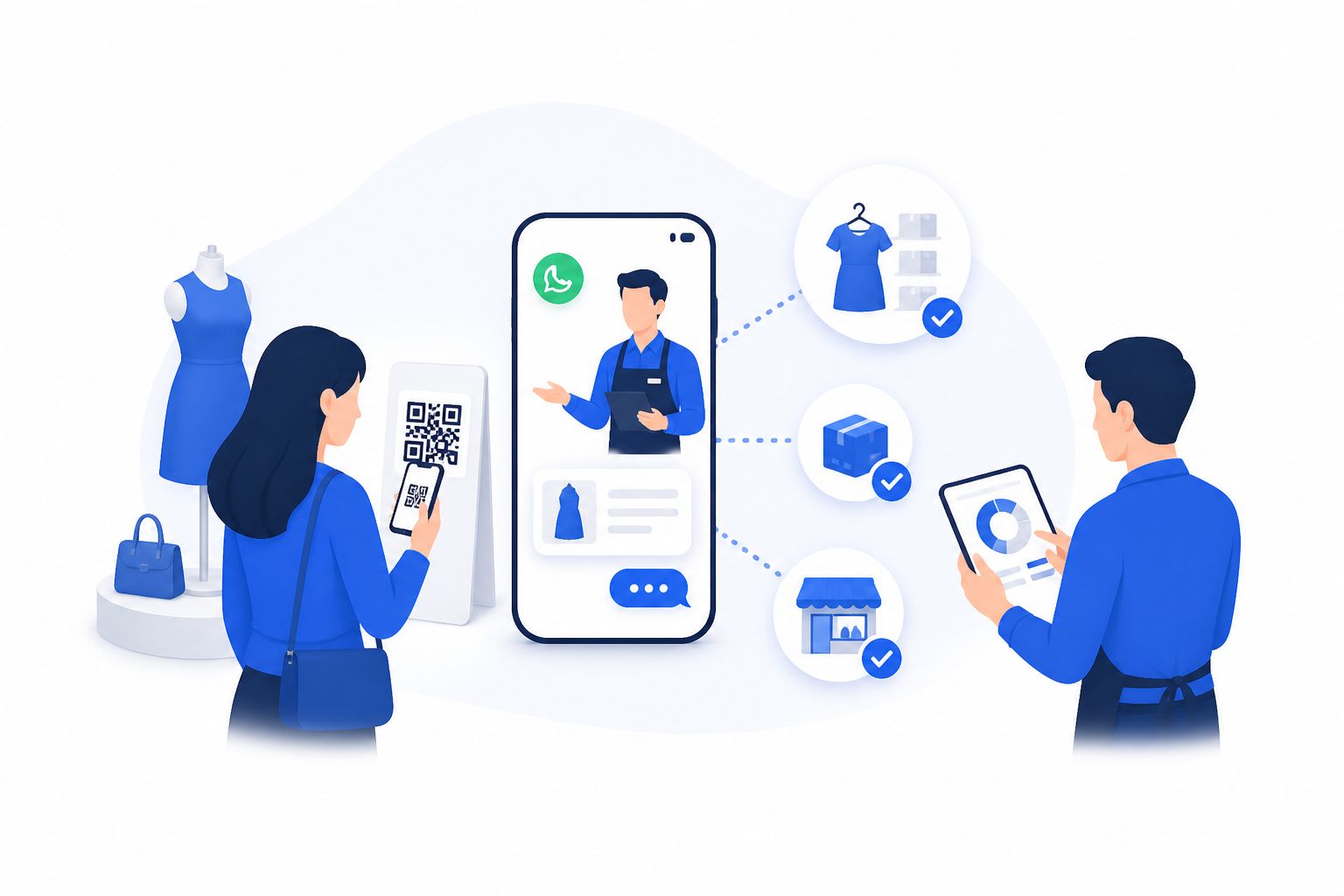
- A customer receives a personalized product recommendation via WhatsApp from a store associate
- They visit the physical store, try the product, and scan a QR code for an exclusive digital discount
- Their purchase is recorded and linked to both their online loyalty profile and the specific staff member who assisted them
- Three days later, an automated follow-up message arrives with a complementary product suggestion
This seamless flow – impossible with siloed systems – is what gives OMO-enabled retailers a decisive competitive edge.
According to McKinsey’s research on omnichannel retail, customers who engage across multiple touchpoints generate 30% higher lifetime value than single-channel shoppers. That number only grows when those touchpoints are actively stitched together rather than passively coexisting.
Why the Online–Offline Gap Is Costing You Revenue
Before examining the solution, it’s worth understanding the actual cost of fragmentation.
The Attribution Problem
When a customer discovers a product on Instagram, researches it on your website, and buys it in-store – who gets credit for that sale? In most retail setups, the answer is: nobody tracks it correctly. Digital teams report poor ROAS, store managers see strong foot traffic but can’t connect it to digital spend, and leadership makes budget decisions based on incomplete data.
OMO retail solves this with unified attribution models that trace the full customer journey regardless of where the final transaction occurs.
The Inventory Mismatch Problem
Few customer experiences are more frustrating than a website showing “In Stock” for an item that’s actually sitting in a warehouse three cities away – or worse, showing zero stock for an item that’s stacked on a physical shelf nearby. Real-time inventory synchronization, a core component of OMO architecture, eliminates this problem entirely.
The Sales Cannibalization Problem
Without OMO, your e-commerce channel and your physical stores inadvertently compete against each other. Store associates have no incentive to encourage digital purchases if those conversions won’t appear in their performance metrics. OMO solves this through customer-staff binding – a mechanism that ties a specific salesperson to a customer’s digital journey, ensuring that commissions and credit flow correctly even when the final purchase happens online.
The Three Pillars of a Successful OMO Strategy
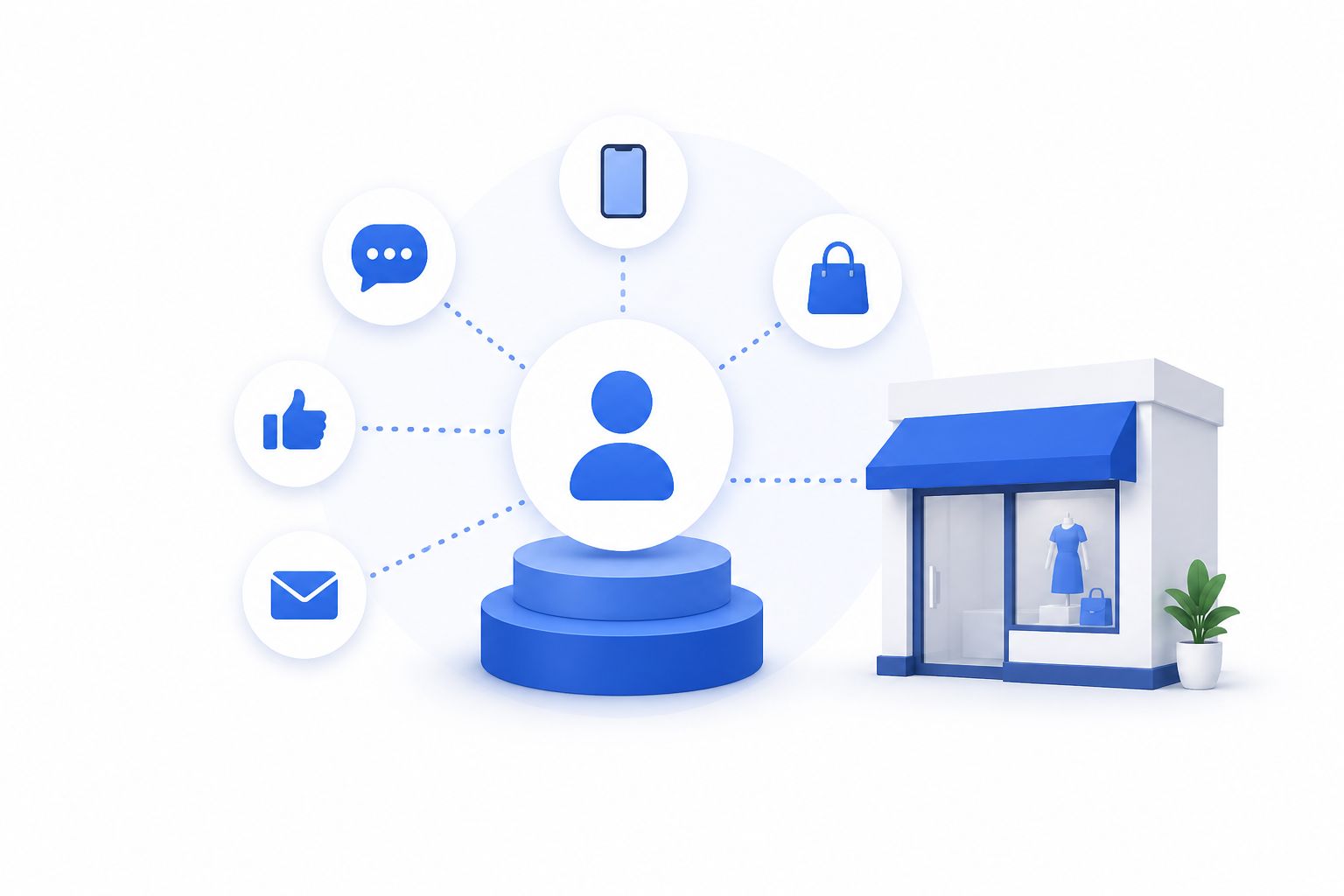
Pillar 1: Unified Customer Identity
Every customer interaction – whether it happens on a chat widget, through a social media ad, at the checkout counter, or via a post-purchase survey – should contribute to a single, continuously updated customer profile. This requires:
- A centralized CRM or CDP (Customer Data Platform) that aggregates data from all touchpoints
- Consistent customer identifiers across channels (phone number, email, loyalty ID)
- Real-time data sync so that any team member, at any touchpoint, sees the same up-to-date customer history
When a customer walks into your store and a staff member can instantly see that this person bought online twice last month, prefers a specific product category, and responded positively to a discount message – that’s the power of unified identity in action.
Platforms like ChatbotX’s CRM Contacts feature make this kind of unified customer view accessible even for growing retail brands, not just enterprise chains.
Pillar 2: Seamless Channel Integration
OMO doesn’t require you to be on every platform simultaneously. It requires the platforms you do use to communicate with each other. The typical OMO technology stack for a retail business in 2026 includes:
- A messaging automation layer (WhatsApp, Instagram DMs, Facebook Messenger) for personalized outreach
- An in-store data capture mechanism (QR codes, NFC tags, loyalty app check-ins)
- A shared inbox so that customer service and sales teams see all conversations in one place
For omnichannel messaging specifically, tools like ChatbotX’s Shared Inbox centralize conversations from WhatsApp, Messenger, Instagram, Telegram, and Zalo – giving retail teams a single workspace regardless of where a customer initiated contact.
Pillar 3: Proactive Engagement, Not Reactive Support
Legacy retail customer service is built to respond to problems. OMO customer engagement is built to anticipate needs and act before problems arise. This shift in posture – from reactive to proactive – is what separates genuinely OMO-native retailers from those who have simply added a chatbot to their website.
Proactive OMO engagement includes:
- Automated cart abandonment follow-ups sent through the customer’s preferred messaging channel
- Post-purchase check-ins that arrive at the right time window to prompt reviews or repeat purchases
- Personalized restock alerts for items a customer has shown interest in
ChatbotX’s Remarketing features are specifically designed to support this kind of behavior-triggered, personalized outreach – a critical capability for any brand pursuing a full OMO strategy.
Staff Empowerment: The Human Side of OMO
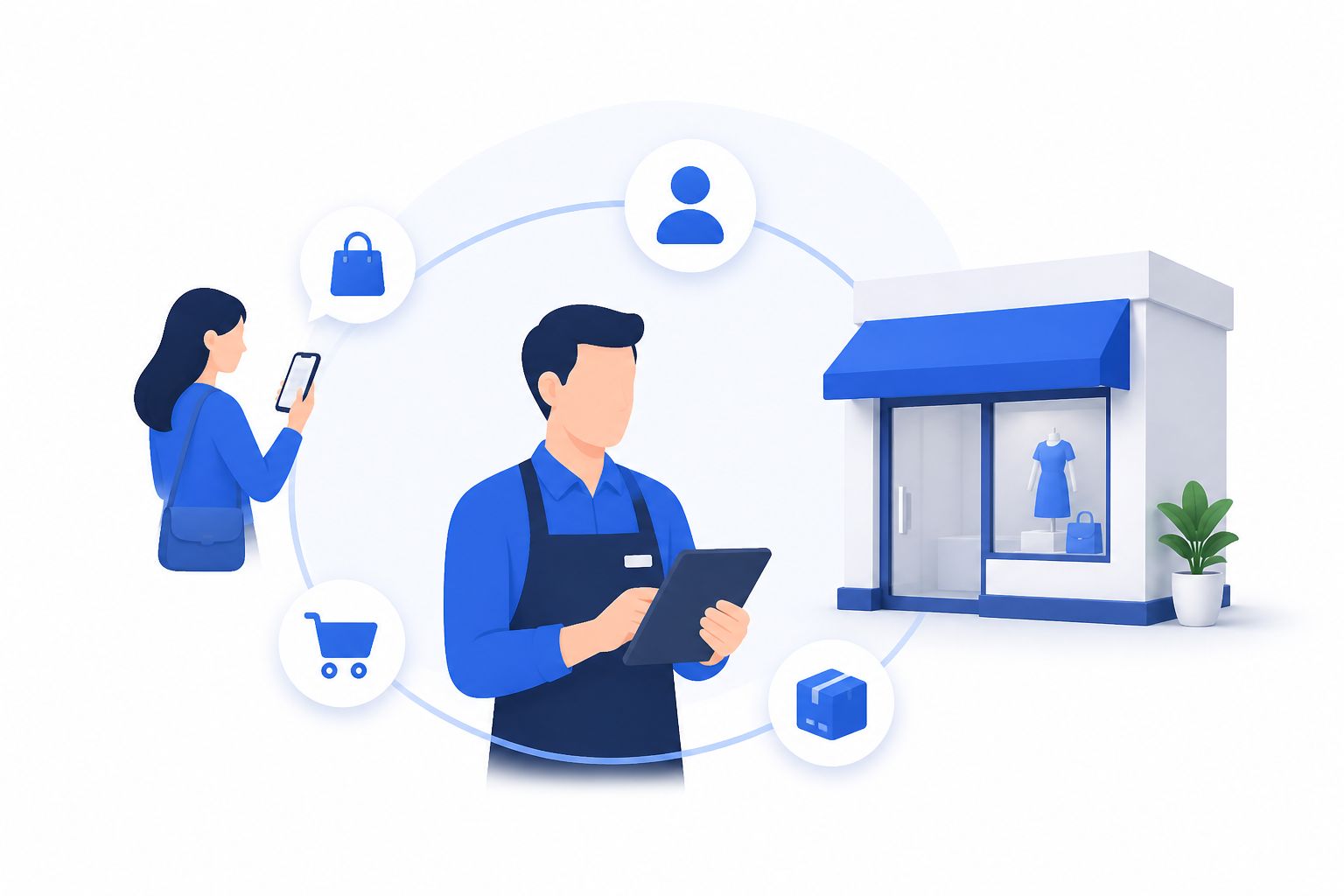
Technology enables OMO, but people execute it. One of the most underappreciated aspects of a successful OMO rollout is how it changes the role of in-store staff.
In a traditional retail environment, a store associate’s performance is measured almost entirely by in-store sales. This creates a structural misalignment: the associate who spends an hour helping a customer research a product and giving excellent advice sees zero credit if that customer goes home and buys online.
OMO changes this dynamic through two mechanisms:
1. Customer-to-Staff Digital Binding
When a customer scans a QR code or clicks a staff member’s personalized chat link, they become digitally “bound” to that associate. Subsequent purchases – whether in-store, via WhatsApp, or on the website – are tracked and attributed back to that staff member. The result is a dramatic shift in associate behavior: staff proactively share personalized product links, send follow-up messages, and invest in long-term customer relationships because they know those investments will be credited to their performance.
2. Digital-Physical Hybrid Sales Flows
Empowered with the right tools, store staff become a brand’s most powerful digital sales channel. An associate who greets a walk-in customer, captures their WhatsApp contact, sends them a curated product selection, and follows up three days later isn’t just doing their job – they’re generating measurable digital revenue attributable to a physical store visit.
This approach is particularly effective in high-involvement purchase categories like cosmetics, fashion, electronics, and home furnishings – categories where trust and personal advice heavily influence conversion. See how ChatbotX supports retail and cosmetics brands with AI-driven flows designed specifically for this kind of high-touch selling.
Technology Stack for OMO Retail in 2026
Building an OMO-capable infrastructure doesn’t require a complete technology overhaul. The most effective approach is to identify the gaps in your current stack and fill them strategically.
Core Components
| Layer | Function | What to Look For |
|---|---|---|
| Messaging Automation | Outreach, follow-up, qualification | Multi-channel support, flow builder, AI agents |
| Shared Inbox | Team communication, customer service | Cross-channel view, assignment rules, tagging |
| Customer Data | Unified profiles, segmentation | Real-time sync, CRM integration |
| Analytics | Attribution, performance tracking | Full-funnel visibility, staff-level reporting |
| In-Store Capture | QR codes, loyalty check-ins | Frictionless, mobile-first |
The Role of AI Agents in OMO
AI agents – autonomous conversational flows that can qualify leads, answer product questions, route inquiries to the right human, and trigger follow-up sequences – are the connective tissue of a modern OMO strategy. They operate 24/7, handle volume spikes without additional headcount, and maintain conversation context across sessions.
Critically, AI agents in an OMO context must be capable of handing off to human agents seamlessly when the conversation warrants it. A customer who starts a chat with a bot while browsing your website should be able to transition to a WhatsApp conversation with a specific store associate without having to repeat their context.
ChatbotX’s AI Agents are built precisely for this hybrid human-AI workflow – making them well-suited for retailers who need both scale and personalization simultaneously.
Flow Builder and Automation Logic
The operational backbone of any OMO strategy is the automation logic that determines what message gets sent to which customer at what moment. This requires a visual flow builder capable of handling conditional logic, multi-channel branching, and trigger-based sequences.
For example, a well-designed OMO flow might look like this:
- Customer scans QR code in-store → assigned to store associate via WhatsApp
- Customer receives a welcome message with a loyalty registration link
- Customer completes registration → tagged as “in-store registered” in CRM
- 48 hours later → automated follow-up with personalized product recommendations
- Customer clicks product link but doesn’t purchase → abandoned browse sequence triggered
- Customer purchases → post-purchase follow-up + review request
ChatbotX’s Flow Builder supports this kind of multi-step, multi-channel automation – allowing retail teams to design sophisticated customer journeys without writing code.
Real-World OMO Use Cases by Industry
Fashion and Apparel
A fashion retailer with 20 physical locations and an e-commerce store uses QR codes on fitting room mirrors. When a customer scans, they’re connected to a store associate on WhatsApp who can check stock availability across all locations, suggest complementary items, and send a digital fitting room album for items they tried. Associates track their personal digital conversion rate as part of their KPIs.
Beauty and Cosmetics
A beauty brand runs sampling events in-store. Rather than collecting paper forms, a staff member invites customers to register via a WhatsApp link. Post-event, each registered customer receives a personalized skincare routine guide and a repurchase reminder two weeks before their product is likely to run out. The brand tracks which store event generated the highest digital LTV.
Consumer Electronics
An electronics retailer allows customers to “reserve” a product consultation with a specialist through a messaging app. The specialist reviews the customer’s previous purchase history before the appointment, arrives prepared, and follows up digitally afterward with accessories or warranty information. Conversion rates for these pre-scheduled consultations run significantly higher than walk-in interactions.
Measuring OMO Success: KPIs That Actually Matter
Traditional retail KPIs – same-store sales, foot traffic, conversion rate – capture only part of the OMO picture. A comprehensive measurement framework should include:
Cross-Channel Attribution Metrics
- Percentage of in-store purchases preceded by a digital interaction
- Online conversions generated by in-store staff contacts
- Revenue attributed to specific staff-customer bindings
Customer Lifecycle Metrics
- Cross-channel Customer Lifetime Value (CLV)
- Time-to-repurchase across channels
- Channel preference shifts over the customer lifecycle
Operational Efficiency Metrics
- AI agent resolution rate (inquiries resolved without human intervention)
- Average response time across channels
- Staff productivity: digital revenue per associate
ChatbotX’s Analytics dashboard provides unified reporting across all these dimensions – giving retail managers a single source of truth for OMO performance rather than piecing together data from multiple disconnected systems.
According to Statista’s global retail data, retailers who implement unified commerce strategies report an average of 25–35% improvement in customer retention compared to those operating in channel silos. This aligns with what leading OMO practitioners observe on the ground: when customers feel recognized and served consistently across all touchpoints, they stay longer and spend more.
Conclusion: Your Next Step Toward Unified Commerce
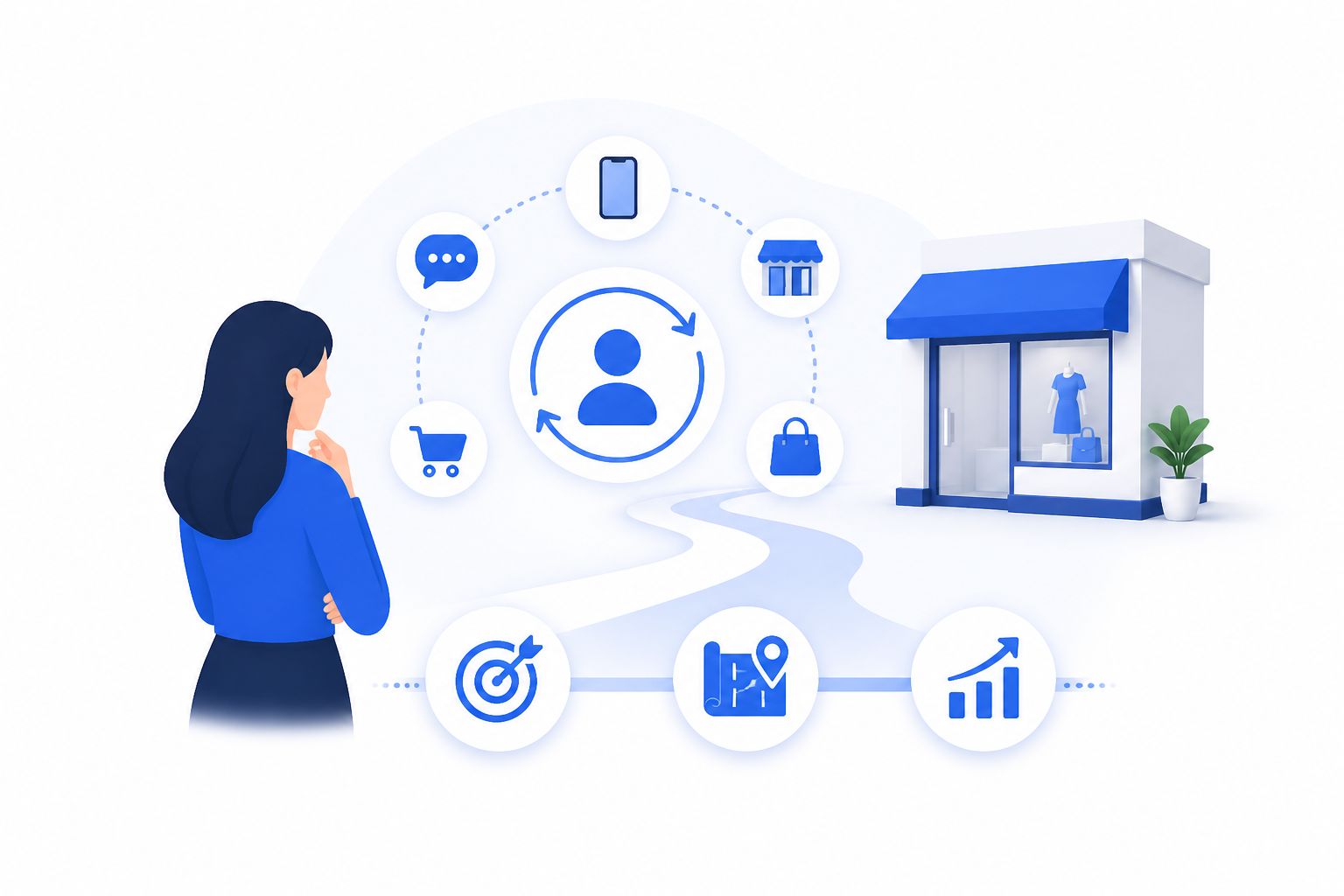
OMO Retail isn’t a technology purchase – it’s a strategic commitment to treating your customer as a whole person rather than a series of disconnected transactions. The brands that win in 2026 and beyond won’t be the ones with the most channels; they’ll be the ones where every channel reinforces and amplifies the others.
The path forward requires three things: a clear understanding of where your current channel silos are creating friction, a technology stack capable of unifying customer data and communications, and a team culture that rewards cross-channel thinking rather than channel-specific performance.
If you’re building or upgrading your OMO infrastructure, ChatbotX is worth exploring as your messaging automation and AI agent backbone. As an open-source, omnichannel chatbot platform trusted by 5,000+ brands, ChatbotX connects WhatsApp, Messenger, Instagram, Telegram, Zalo, and your website into a single unified system – with the Growth Tools, AI Agents, and analytics your OMO strategy needs to scale.
Explore what’s possible at ChatbotX.io or browse the ChatbotX Blog for deeper guides on chat marketing, automation flows, and omnichannel retail strategy.
Frequently Asked Questions
What is the difference between OMO and omnichannel retail?
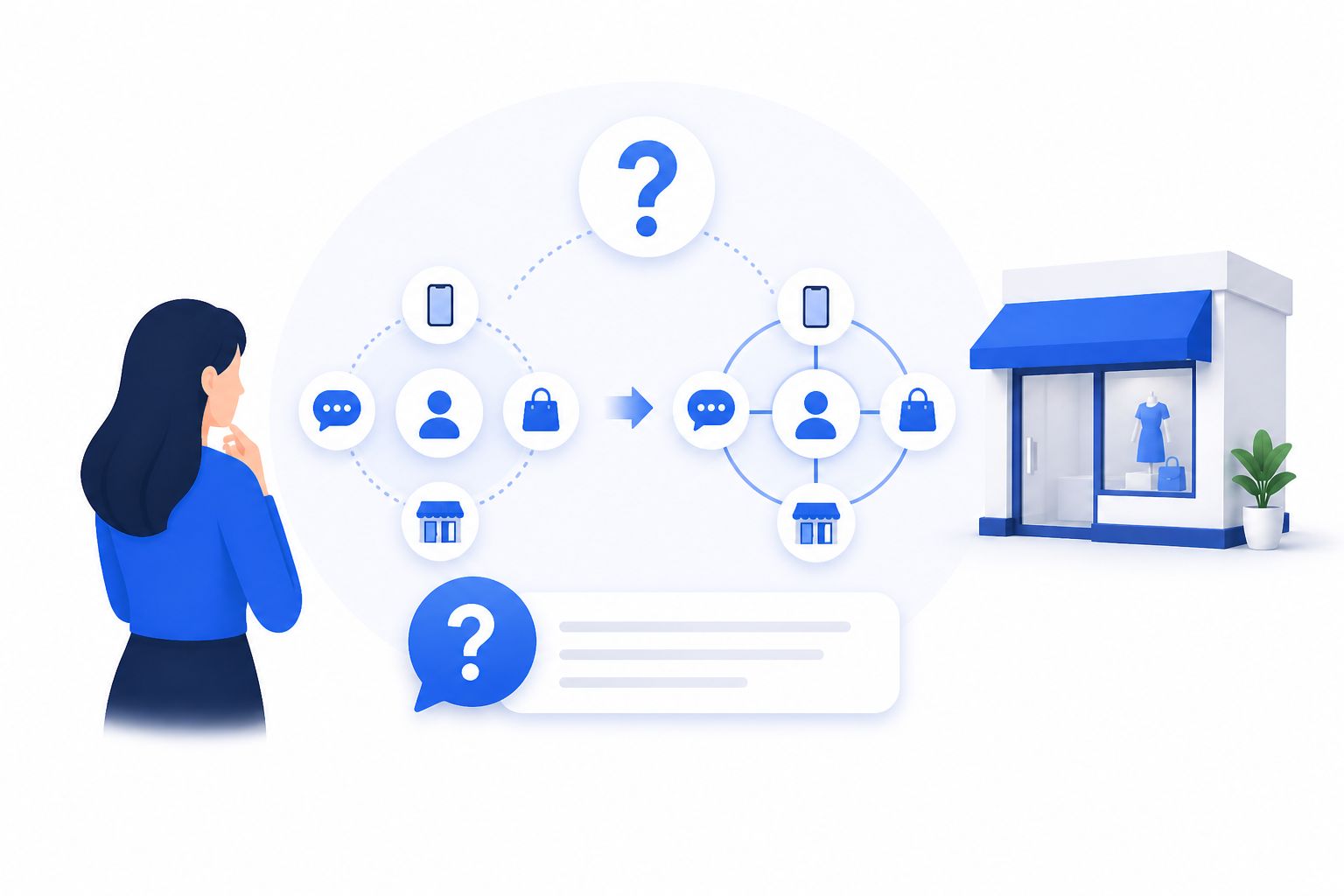
Omnichannel retail focuses on delivering a consistent brand experience across multiple channels. OMO (Online-Merge-Offline) goes a step further by structurally integrating the operational and data layers of those channels – so that inventory, customer records, staff performance, and communications all function as a single system rather than parallel ones.
How does customer-staff binding work in OMO?
Customer-staff binding is a mechanism that digitally links a specific customer to a specific store associate via a messaging channel (typically WhatsApp). When the customer makes a subsequent purchase – online or offline – the revenue is attributed to that associate, aligning staff incentives with digital conversion goals.
Do I need to rebuild my entire tech stack to implement OMO?
Not necessarily. Most retailers achieve OMO functionality by adding a messaging automation and AI agent layer on top of their existing POS and e-commerce systems. The key integrations are between your customer data platform, your messaging tools, and your inventory system.
What messaging channels are most important for OMO retail?
WhatsApp dominates in most Asian and emerging markets due to its high open rates and familiarity. Instagram DMs are particularly effective for fashion and lifestyle brands with strong visual content. The right choice depends on where your customers already spend time – which is why a platform that supports multiple channels simultaneously is essential.
How can AI agents support in-store experiences?
AI agents can handle the volume and speed requirements that human agents cannot – qualifying inbound leads from QR code scans, providing instant product information, routing customers to the right associate, and triggering post-visit follow-up sequences automatically. They work best as a complement to human staff, not a replacement. Learn more in Harvard Business Review’s research on AI in customer service.
Want more insights on chat marketing and omnichannel automation? Visit the ChatbotX Blog for practical guides designed for retail, e-commerce, and beyond.