
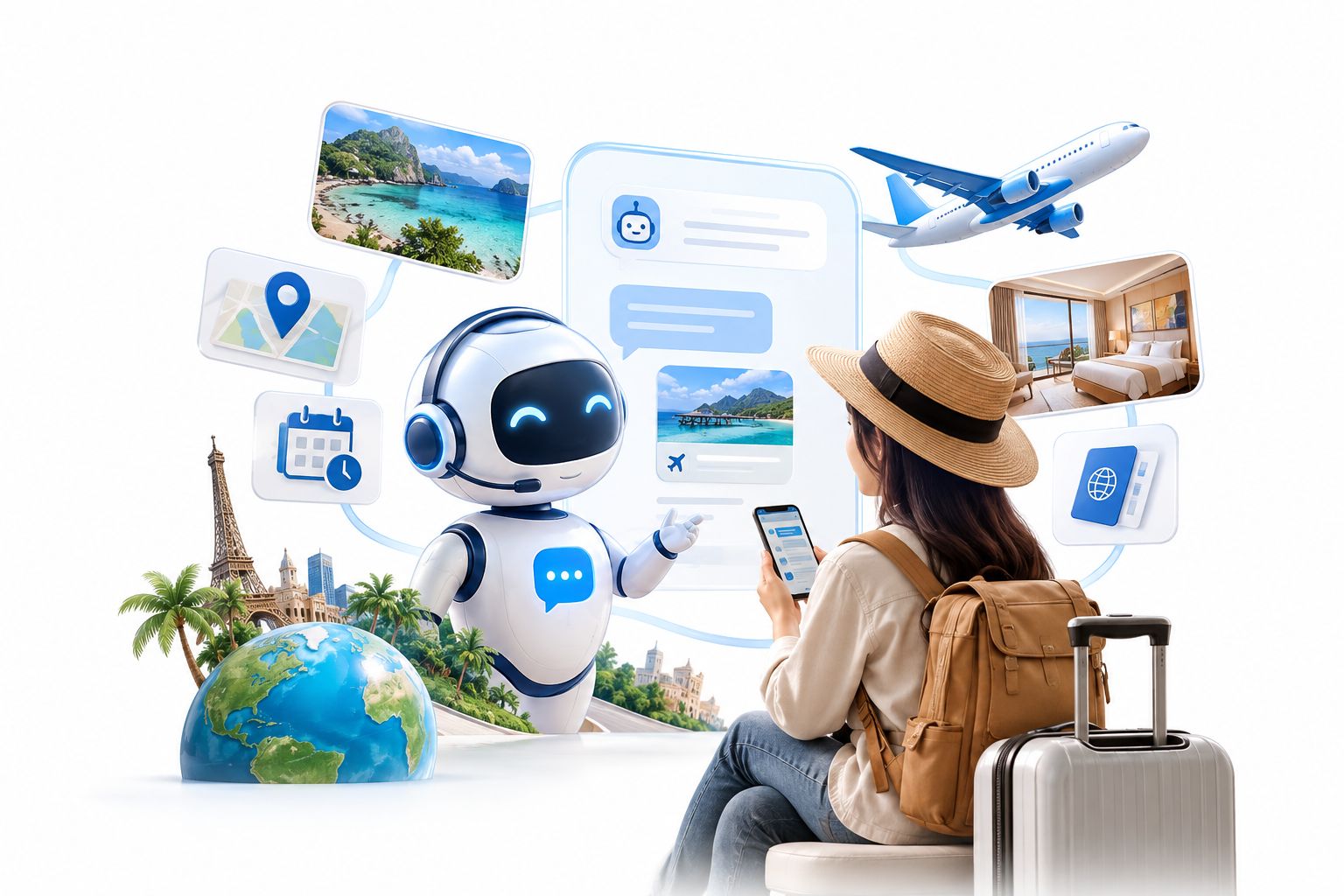
Quick answer: A travel agency chatbot is an AI assistant that answers traveler questions, builds itineraries, handles bookings and follows up after the trip, all inside the messaging apps your customers already use. The ten ideas below show where chatbots deliver the most value for agencies in 2026, and how to launch them without writing code.
Launch agentic chat marketing in minutes with ChatbotX






Why Travel Agencies Need Chatbots in 2026
Travel demand keeps climbing, and UN Tourism continues to track the steady recovery and growth of international trips worldwide. More travelers means more questions: Is my flight delayed? Can I change my hotel? What should I do on day three?
Most of those questions arrive at inconvenient hours, in different languages, and across several channels at once. A small support team cannot answer them all quickly. That gap is exactly where AI chatbots help. They respond in seconds, never sleep, and pass complicated cases to a human with the full conversation attached.
Speed matters even more at the sales stage. Travelers often message several agencies before choosing one, so the first helpful reply frequently wins the booking. If you want to see how response time shapes conversion, read our guide on replying to every lead in under 60 seconds with AI.
Here are ten chatbot ideas, ordered roughly from trip planning to post-trip loyalty.
1. Personalized Itinerary Builder
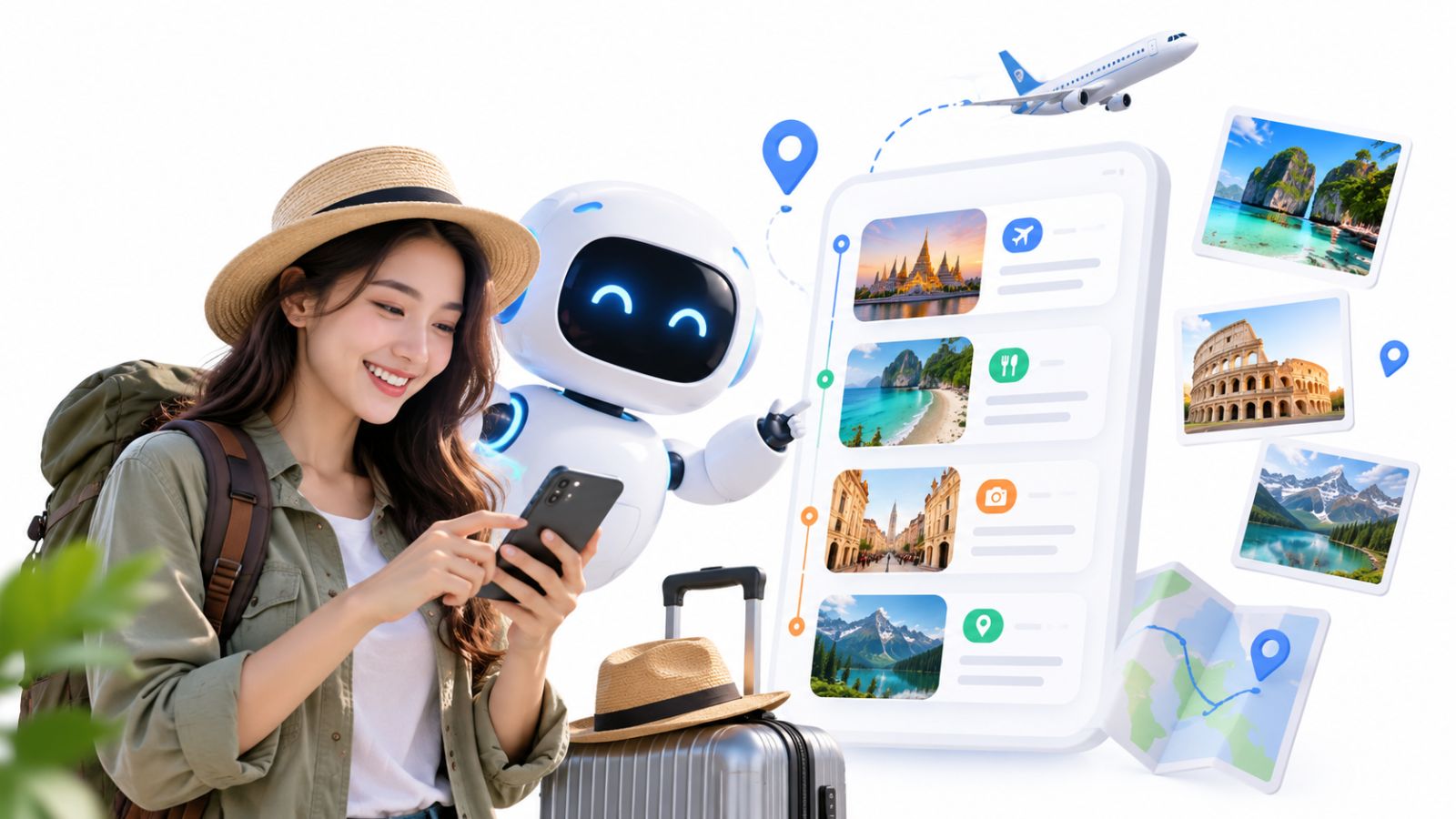
A visitor types something casual such as “a relaxed beach week for two under a modest budget.” The bot asks a few follow-up questions about travel dates, interests and pace, then drafts a day-by-day plan.
What it does well:
- Turns vague wishes into a structured itinerary
- Lets the traveler tweak the plan in plain language (“swap the museum for a cooking class”)
- Sends a shareable summary with a link to book
Why it matters: Planning is the stage where many travelers drop off. A conversational planner keeps them engaged and gives your sales team a warm, well-qualified lead.
How to build it: Train an AI agent on your destinations, packages and partner properties, then restrict it to recommend only what you actually sell. ChatbotX AI Agents can connect to leading language models and follow guardrails, so suggestions stay accurate and on brand.
2. 24/7 Multilingual Virtual Concierge
Travelers do not stop needing help at 6 p.m. A concierge bot can answer questions about visas, check-in times, transfers, restaurant tips or what to do when luggage goes missing, in the traveler’s own language.
Key capabilities:
- Automatic language detection and replies
- Answers drawn from your approved policies and FAQs
- Smooth handoff to a human agent for sensitive or complex cases
Why it matters: Instant, localized replies reduce repetitive tickets and make international guests feel looked after from the first message.
Tip: Keep a shared team inbox so human agents can step in without asking the customer to repeat anything. The Shared Inbox in ChatbotX supports live takeover and conversation assignment for exactly this scenario.
3. In-Chat Booking and Payment Assistant
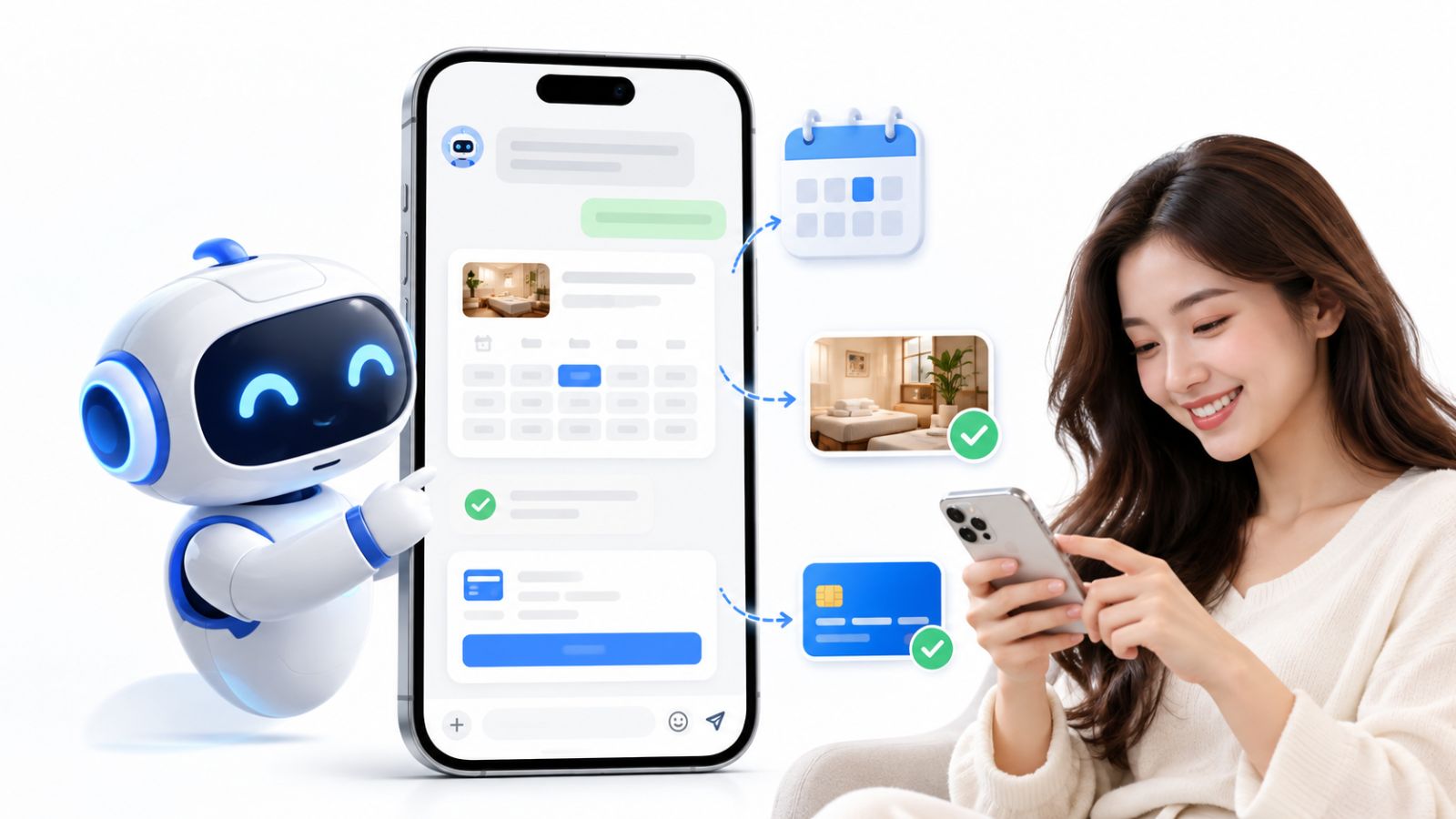
Imagine a traveler going from “How much is the weekend tour?” to a confirmed reservation without leaving the conversation. A booking assistant checks availability, collects traveler details, shares a payment link and sends the confirmation.
Key capabilities:
- Real-time availability through your booking system or API
- Secure payment links
- Gentle reminders for people who start a booking but do not finish
Why it matters: Every extra click between interest and payment costs you sales. Messaging-based checkout shortens that path. Our article on WhatsApp commerce in 2026 walks through how selling and getting paid inside a single chat works in practice.
How to build it: A drag-and-drop Flow Builder lets you map the full booking journey visually, then call external APIs and webhooks at the right steps.
4. Disruption and Crisis Responder
Weather events, strikes and cancellations create a wave of anxious messages. A disruption bot can notify affected travelers proactively, explain their options, collect rebooking preferences and share local emergency information.
Key capabilities:
- Proactive alerts to affected customers
- Clear rebooking and refund guidance based on your policies
- Immediate escalation to staff when a traveler needs personal help
Why it matters: Calm, fast communication during a disruption protects customer trust far more than any discount can repair afterwards.
5. Sustainable Travel Advisor
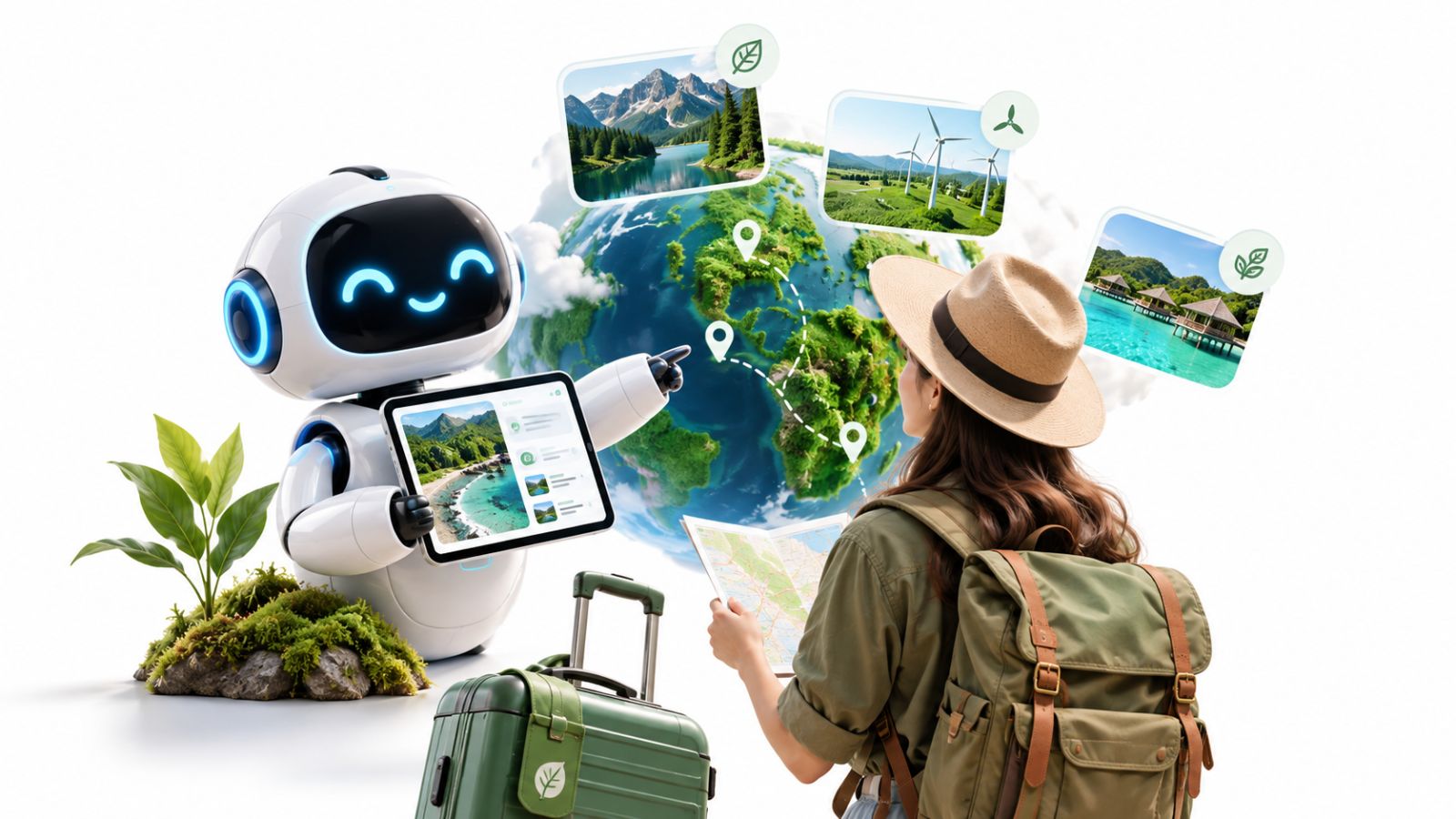
A growing group of travelers wants lower-impact trips. A sustainability-focused bot can highlight eco-certified stays, rail or low-emission transport options, and local experiences that benefit the community.
Key capabilities:
- Filters for greener hotels, tours and transport
- Estimated carbon footprint comparisons per itinerary
- Optional links to offset programs you trust
Why it matters: It lets you serve a motivated audience with relevant recommendations instead of generic packages. Be transparent about your data sources so the advice stays credible.
6. Group Trip Coordinator
Planning for families, friends or corporate teams usually means endless message threads. A coordination bot can gather preferences, run quick polls, track who has paid and keep one shared itinerary up to date.
Key capabilities:
- Simple polls for dates, activities and budgets
- Split-payment tracking and deadline reminders
- Automatic updates when plans change
Why it matters: Group bookings are larger and more profitable, but they are also the most time-consuming to manage. Automation removes the repetitive coordination work.
7. Voice-First Trip Planner
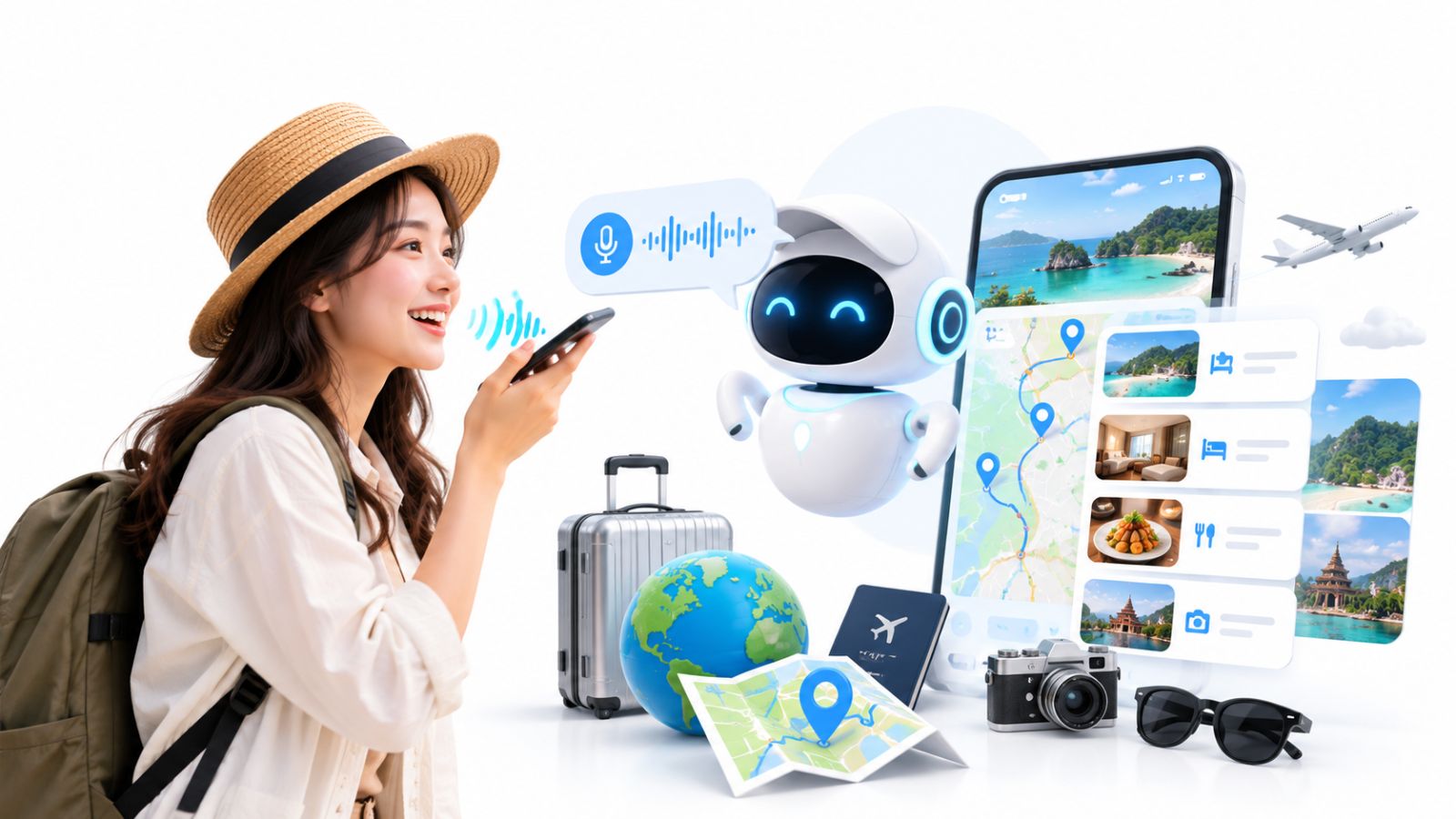
Some travelers would rather speak than type, especially while commuting or on the move. A voice-enabled assistant can understand requests such as “find me a dinner reservation in Rome on Friday” and confirm by voice or text.
Key capabilities:
- Natural speech understanding in multiple languages
- Voice and text confirmations
- Accessibility benefits for travelers who find typing difficult
Why it matters: Voice lowers friction and widens your audience. Pair it with text confirmations so travelers always have a written record.
8. Virtual Local Guide with AR Previews
Once travelers arrive, a local-guide bot can suggest nearby attractions, explain landmarks and share audio tours. Where your team has the resources, augmented-reality previews can make destinations come alive before booking.
Key capabilities:
- Location-aware recommendations
- Audio or short-form guides for landmarks
- Answers to common destination questions such as opening hours and etiquette
Why it matters: It turns your agency into a travel companion during the trip, not just a seller before it.
9. Loyalty and Win-Back Assistant
Repeat travelers cost far less to win than new ones. A loyalty bot can remind past customers about anniversaries of their trips, share seasonal offers matched to their interests and reward referrals.
Key capabilities:
- Automatic customer segments based on destination, spend and behavior
- Drip messages with timely, relevant offers
- Respect for opt-outs and frequency limits
Why it matters: Personalized follow-up keeps your brand top of mind between trips. ChatbotX Remarketing tools, including broadcasts and sequences, make this kind of segmented outreach simple to automate.
10. Post-Trip Feedback and Referral Engine
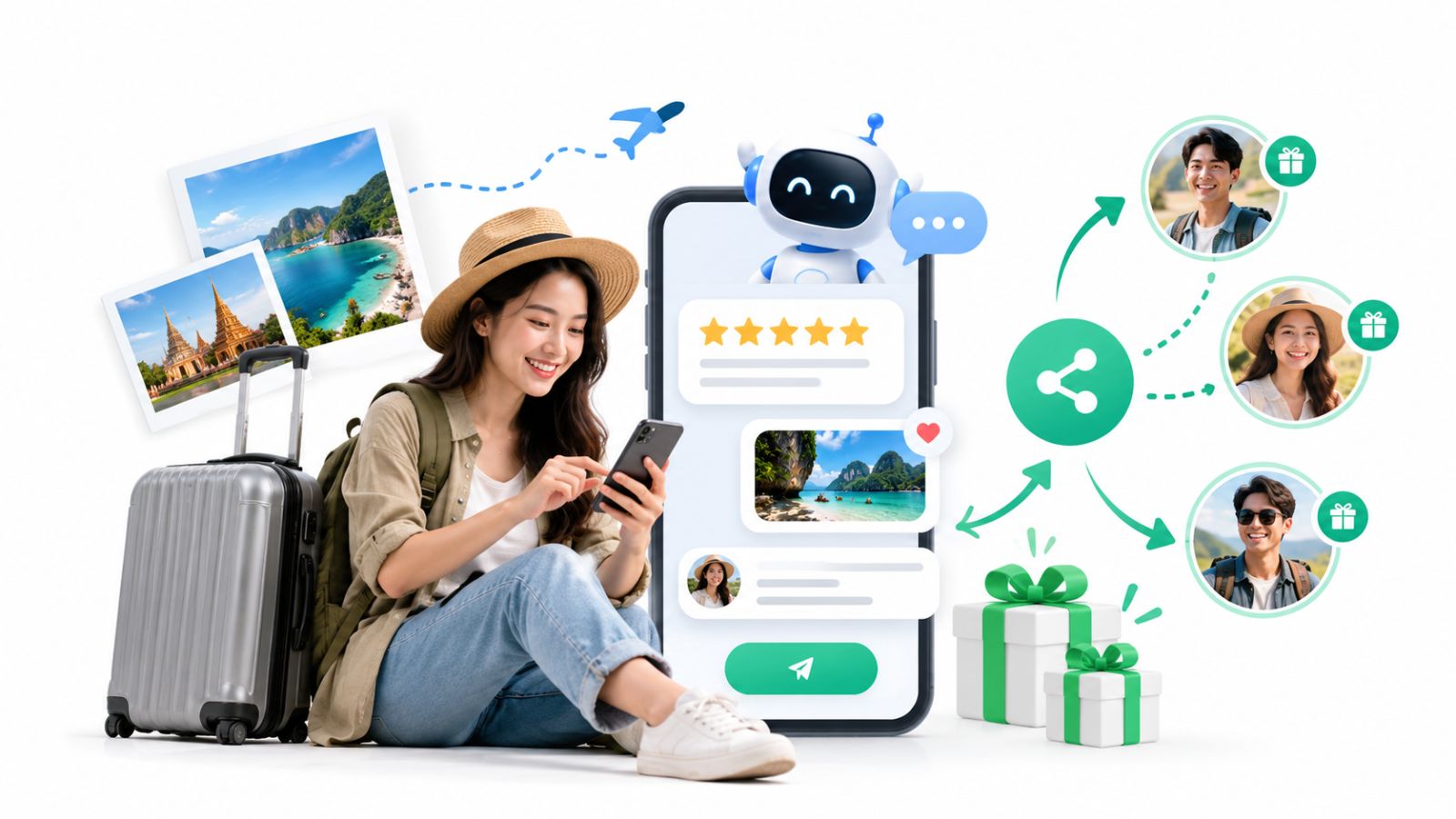
The conversation should not end when travelers return home. A short post-trip survey collects honest feedback, flags unhappy guests for personal follow-up and invites happy ones to leave a review or refer friends.
Key capabilities:
- Quick, conversational surveys
- Review and photo-sharing prompts
- Suggested next destinations based on what the traveler enjoyed
Why it matters: Reviews and referrals are among the most trusted forms of marketing in travel. For pre-trip and post-trip nudges that actually get read, see these appointment reminder text templates and timing rules, which adapt well to departure reminders and check-in follow-ups.
How to Choose the Right Travel Chatbot Platform
Before you commit to a tool, check these essentials:
- Channel coverage. Travelers use WhatsApp, Messenger, Instagram, Telegram, web chat and more. The official WhatsApp Business Platform is a common starting point for customer messaging at scale, so make sure your tool supports it.
- Human handoff. Bots should resolve routine questions and pass sensitive ones to people smoothly.
- Integrations. Look for webhooks, APIs and CRM-style contact management so the bot connects to your booking and payment stack.
- Data privacy. If you serve travelers from Europe, review the principles of the GDPR and confirm how your platform stores and protects personal data.
- Flexibility and cost. Open-source or self-hostable options reduce lock-in and give you control over your data.
Launch Your Travel Chatbot with ChatbotX
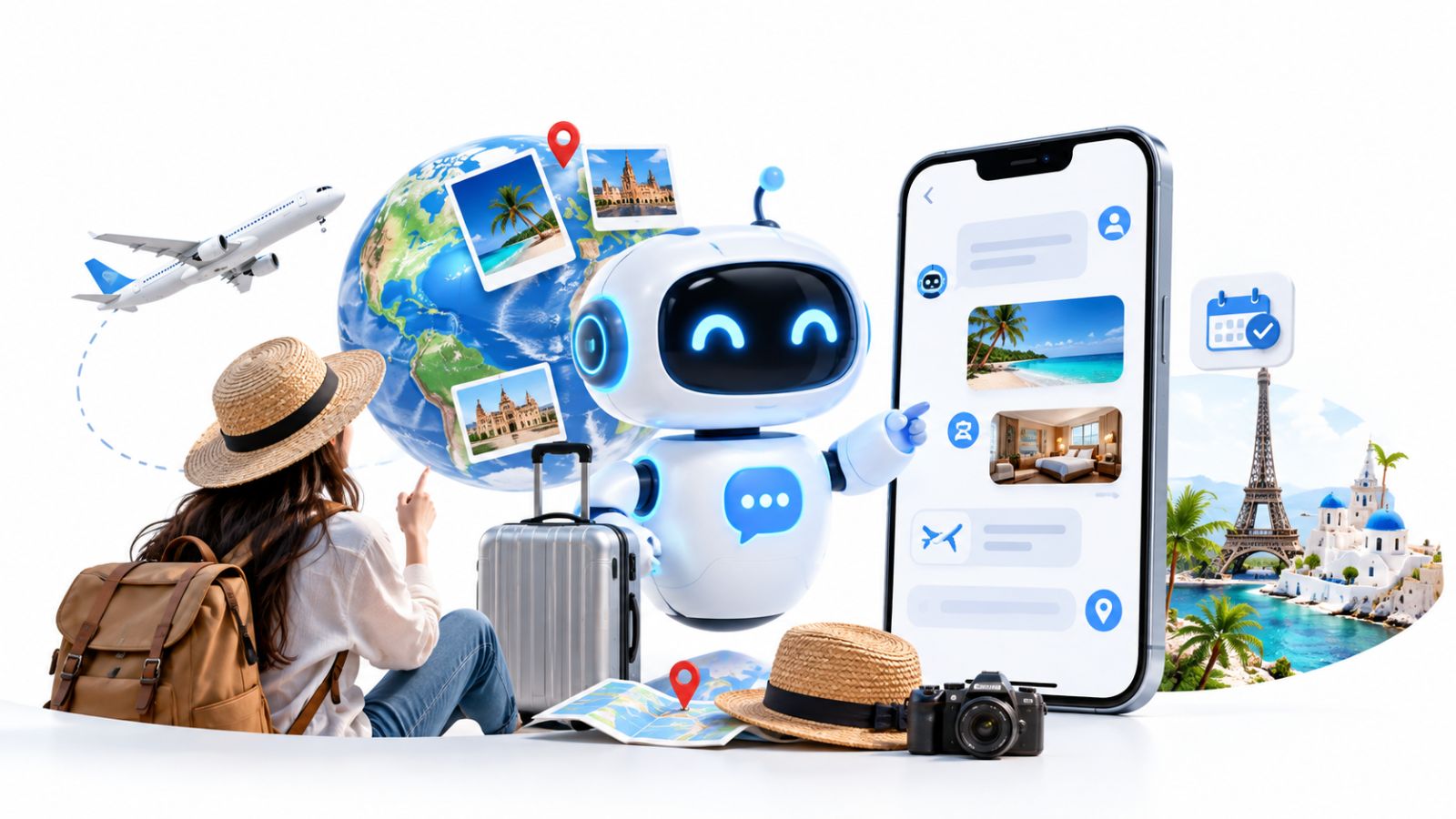
ChatbotX is an agentic chat marketing platform built for businesses that talk to customers on messaging apps. It connects WhatsApp, Messenger, Instagram, Telegram, Zalo, TikTok, email and web chat in one place, and it lets you build conversations visually, deploy AI agents and manage everything from a single team inbox.
What makes it a good fit for travel agencies:
- Omnichannel by default. Build your flows once and reach travelers on the apps they prefer.
- AI agents with guardrails. Connect models from providers such as OpenAI, Claude, Gemini and DeepSeek, and keep answers grounded in your own content.
- Human and AI working together. Agents can take over any conversation instantly.
- Open source. The community edition is released under the MIT License, so you can inspect the code, self-host it and extend it. Explore the project on GitHub or read the setup notes in the README.
A simple rollout plan:
- Start with one high-volume use case, such as FAQs or an itinerary quiz.
- Add booking and payment steps once the basics work well.
- Review conversation analytics weekly and refine answers.
- Expand to loyalty and post-trip flows.
Frequently Asked Questions
What is a travel agency chatbot?
It is an AI-powered messaging assistant that handles tasks such as answering traveler questions, recommending itineraries, taking bookings and following up after trips. It works inside channels like WhatsApp, Messenger and your website.
Can a chatbot replace human travel agents?
No. Chatbots handle repetitive, time-sensitive questions so human agents can focus on complex trips, special requests and relationship building. The best setups combine both.
How long does it take to launch a travel chatbot?
A basic FAQ or lead-qualification bot can often go live within days using a visual builder. More advanced booking or payment flows take longer because they depend on integrations with your existing systems.
Is a chatbot safe for handling traveler data?
It can be, provided you choose a platform with strong access controls, collect only the data you need and follow the privacy rules that apply to your travelers, such as GDPR.
Do I need coding skills?
Not for most use cases. Visual flow builders and no-code AI agent setup cover the majority of travel scenarios. Developers can add APIs and webhooks when deeper customization is needed.
Ready to Turn Every Message into a Booking?
Travelers are already messaging you. The agencies that answer fastest, speak their language and make booking effortless will win the trips of 2026.
Start building your travel chatbot with ChatbotX today. Create your workspace, connect your first channel and launch a simple flow this week. Prefer full control? Self-host the open-source edition and make it your own. Your future customers are only one message away, so let your chatbot greet them.


