Support budgets rarely shrink on their own. Ticket volume climbs with every new customer, every new channel, and every new product feature – yet headcount can’t scale at the same pace without wrecking the P&L. If you’re searching for how to reduce support cost without turning your help desk into a frustrating maze of dead-end menus, the good news is that the playbook has changed dramatically over the last two years. What used to mean “hire fewer agents and hope” now means designing a system where machines absorb the repetitive work and humans handle everything that actually requires judgment.
This guide walks through where support costs actually come from, which levers move the needle fastest, and how an agentic, omnichannel automation layer changes the underlying economics rather than just trimming a line item.
Launch agentic chat marketing in minutes with ChatbotX













Why Support Costs Keep Climbing

Before cutting anything, it helps to understand where the money goes. Three forces quietly inflate support budgets year over year:
- Repetitive, low-value tickets dominate volume. Order status, password resets, shipping delays, and basic account questions routinely make up the majority of inbound contacts, yet they require almost no human judgment to resolve.
- Channel sprawl multiplies overhead. Customers now expect help on WhatsApp, Messenger, Instagram, live chat, and email simultaneously. Each additional channel your team monitors manually adds latency, context-switching, and staffing pressure.
- Headcount-based scaling doesn’t match revenue growth. Traditional support models tie cost to conversation volume in a straight line – twice the tickets means roughly twice the staffing bill, regardless of how simple those tickets are.
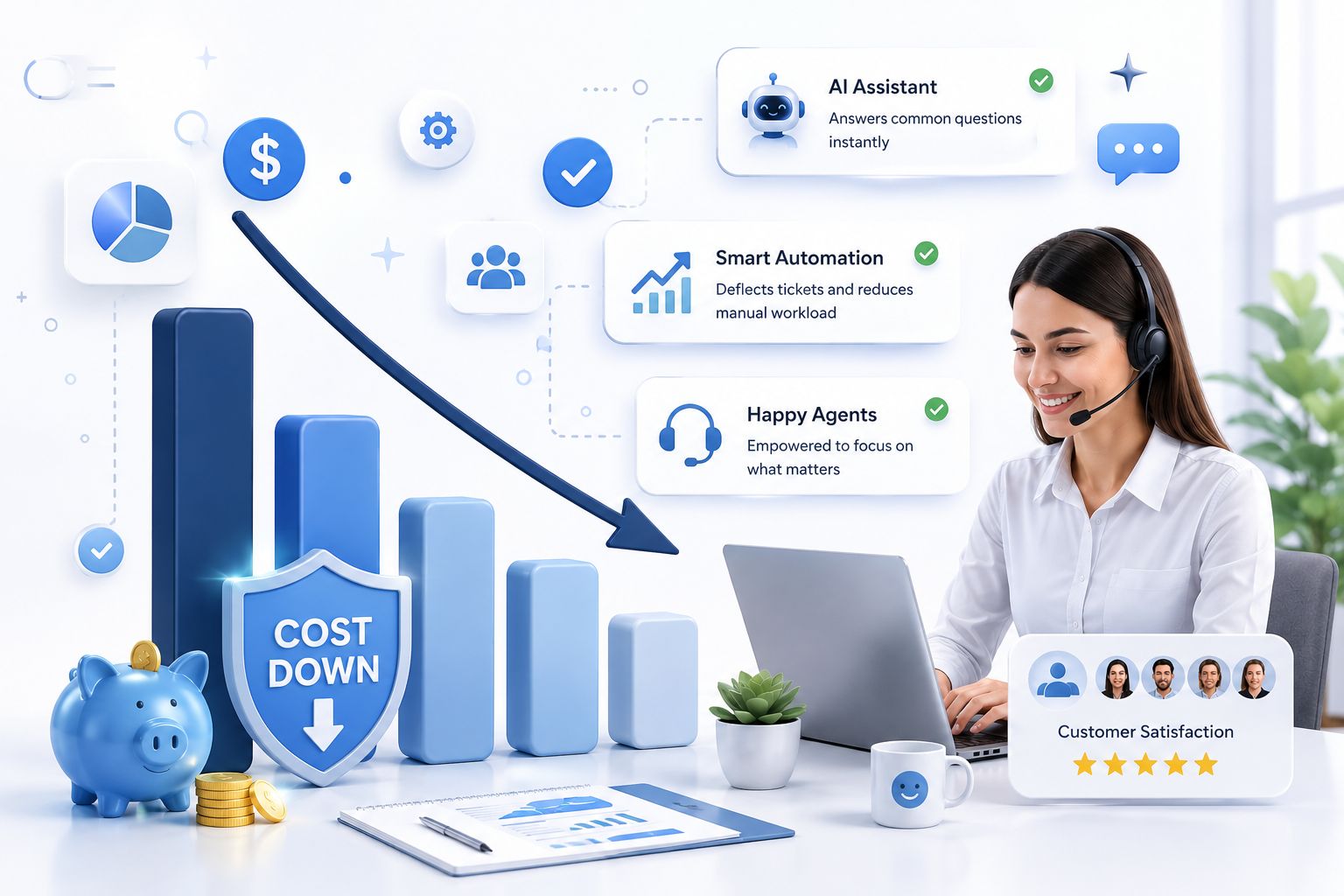
Industry research backs this up. IBM’s overview of AI customer service chatbots points to agentic AI as a driver of significantly lower operational costs as it takes on a growing share of routine service issues. Separately, Gartner’s 2025 forecast puts a specific number on it: by 2029, agentic AI is expected to autonomously resolve 80% of common customer service issues without human intervention, cutting operational costs by roughly 30%. That’s not a marginal efficiency gain – it’s a structural shift in how support economics work.
Step 1: Separate What Actually Needs a Human From What Doesn’t
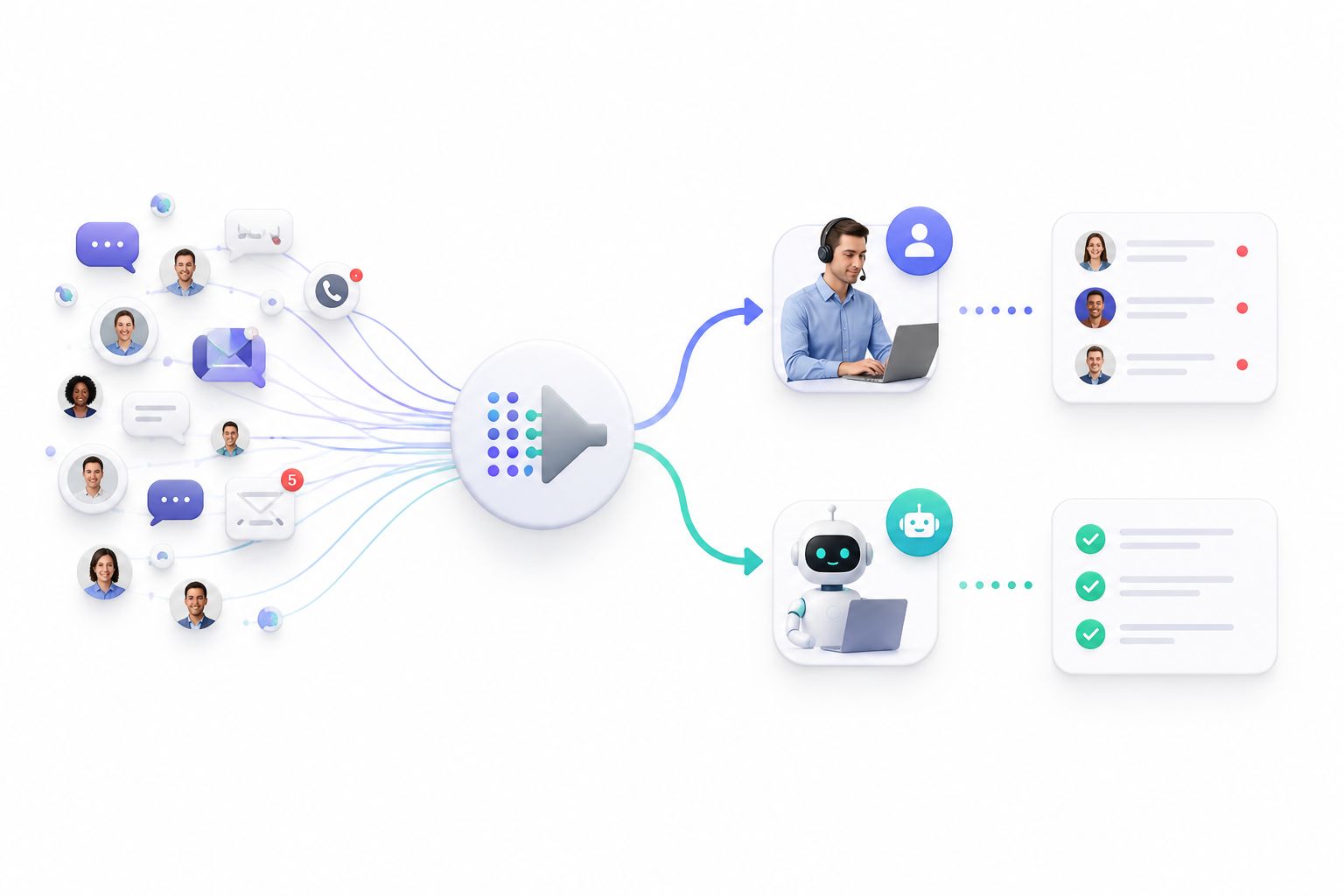
The fastest way to reduce support cost isn’t cutting staff – it’s routing correctly. Most support inboxes are a blend of:
- Zero-judgment queries: “Where’s my order?”, “What’s your return policy?”, “How do I reset my password?”
- Judgment-required queries: billing disputes, service outages, complaints, anything emotionally charged or ambiguous.
Automating the first bucket while protecting human attention for the second is the single highest-leverage move available. HubSpot’s breakdown of conversational AI in customer service makes a similar point: smarter call routing shortens handling time and lifts first-contact resolution, while real-time agent assistance reduces the number of back-and-forth exchanges agents need with each customer. The category matters more than the technology label – whatever tool you choose, its job is to correctly triage volume before it ever reaches a paid human hour.
A well-configured AI Agents layer inside ChatbotX handles exactly this split. It detects intent automatically, resolves the repetitive tier instantly across every connected channel, and escalates only the conversations that genuinely need a person – with full context already attached, so agents aren’t starting from zero.
Step 2: Consolidate Channels Into One Inbox
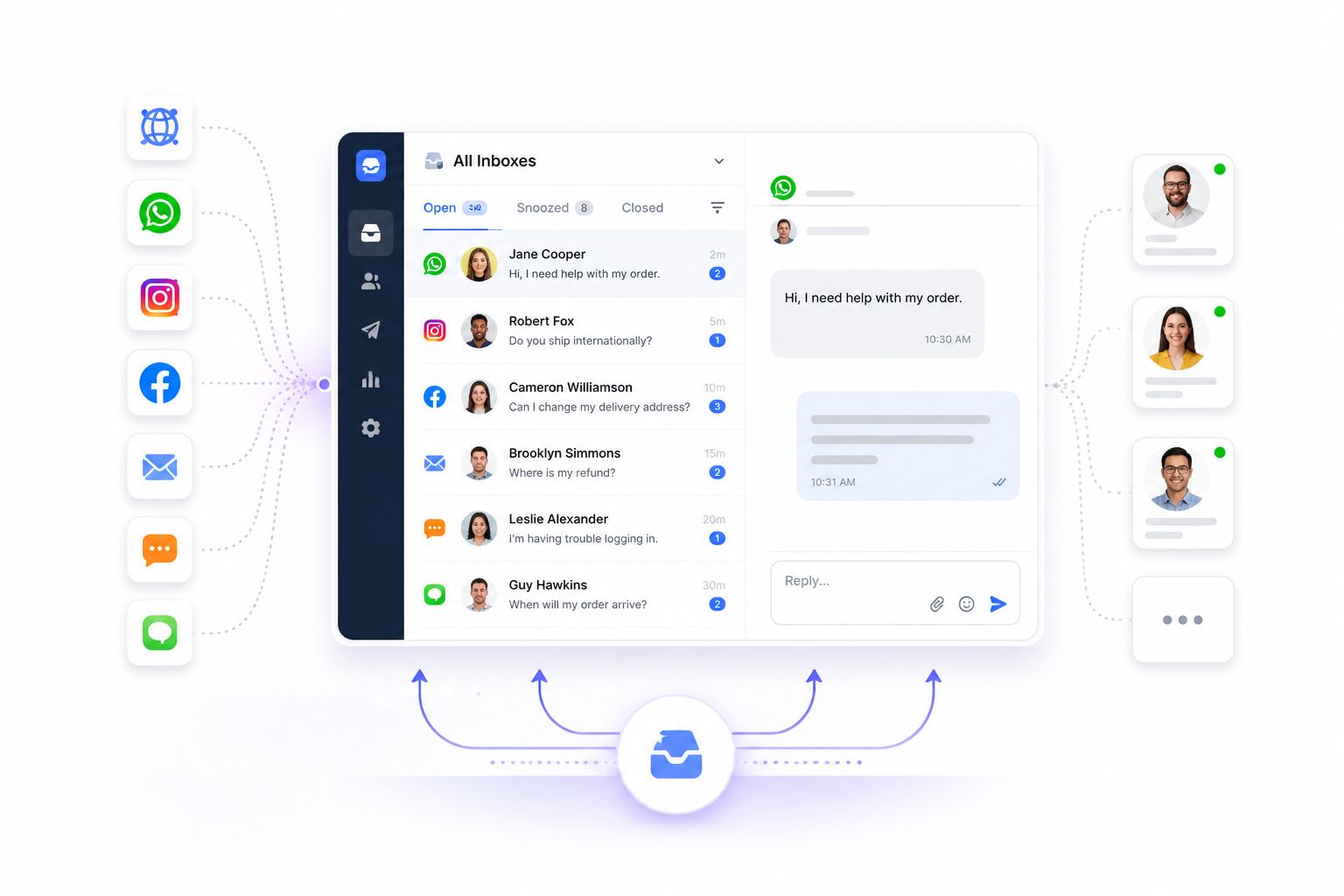
Every additional messaging surface your team checks separately adds friction. Support agents who juggle WhatsApp, Messenger, Instagram DMs, and a website widget in five different tabs waste minutes per conversation just switching context – minutes that show up directly in your cost-per-ticket math.
Centralizing everything into a Shared Inbox turns five monitoring jobs into one. Conversations from every channel land in a single unified queue with consistent tagging, assignment rules, and history, so agents spend their time resolving issues instead of hunting for where the last message came from. Teams that have consolidated Facebook and Messenger conversations into a single automated pipeline have already documented this pattern in practice – see how it plays out for lead-heavy Facebook Messenger workflows in ChatbotX’s guide to Messenger CRM integration.
Step 3: Build Flows Instead of Hiring for Volume Spikes
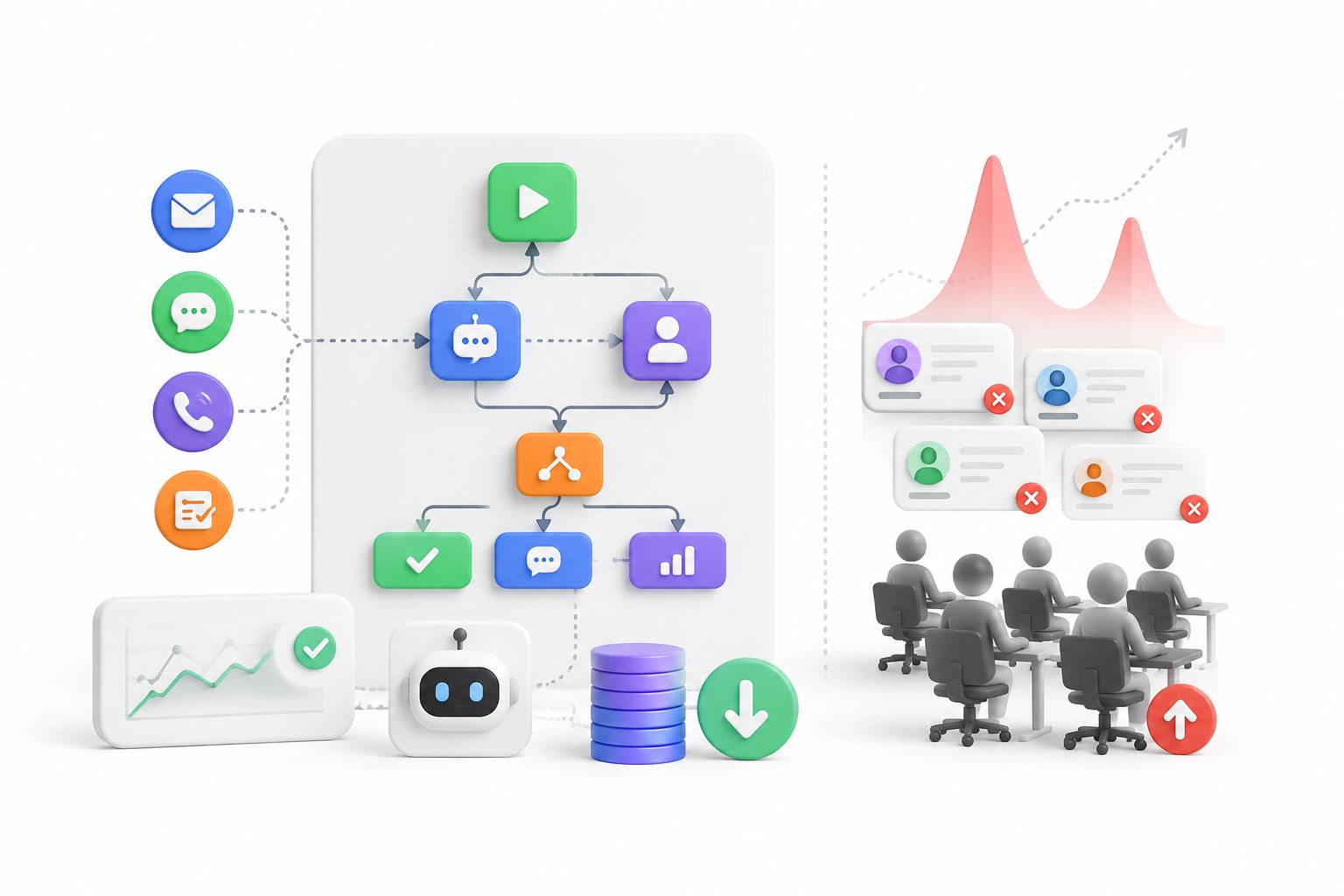
Seasonal spikes – a flash sale, a product recall, a viral moment – are where support budgets get blown the fastest, because teams either scramble to hire temporary staff or let response times collapse. Neither option is good.
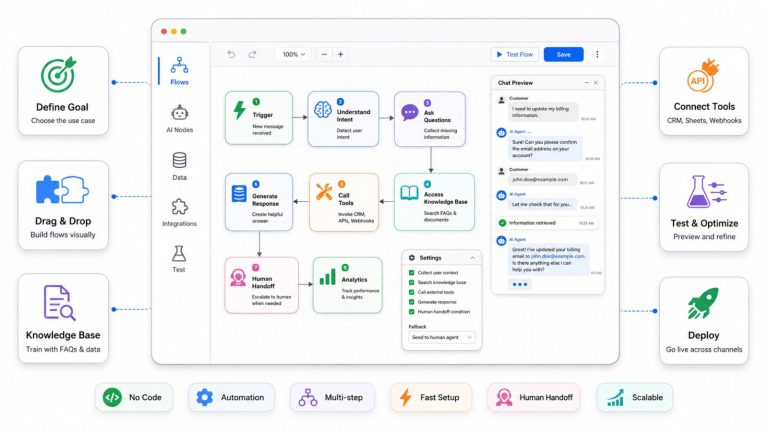
A visual Flow Builder lets you pre-build logic for exactly these scenarios: qualify a lead, check an order status against your backend, branch based on customer intent, and hand off only when a rule says so. Once built, that flow runs identically whether you get 500 conversations a day or 50,000 – no proportional increase in staffing required. This is also the mechanism that made a documented difference for teams automating Facebook Lead Ads intake, where structured flows replaced manual triage entirely; the breakdown is covered in ChatbotX’s Facebook Lead Ads and CRM integration guide.
Step 4: Measure Containment, Not Just Deflection
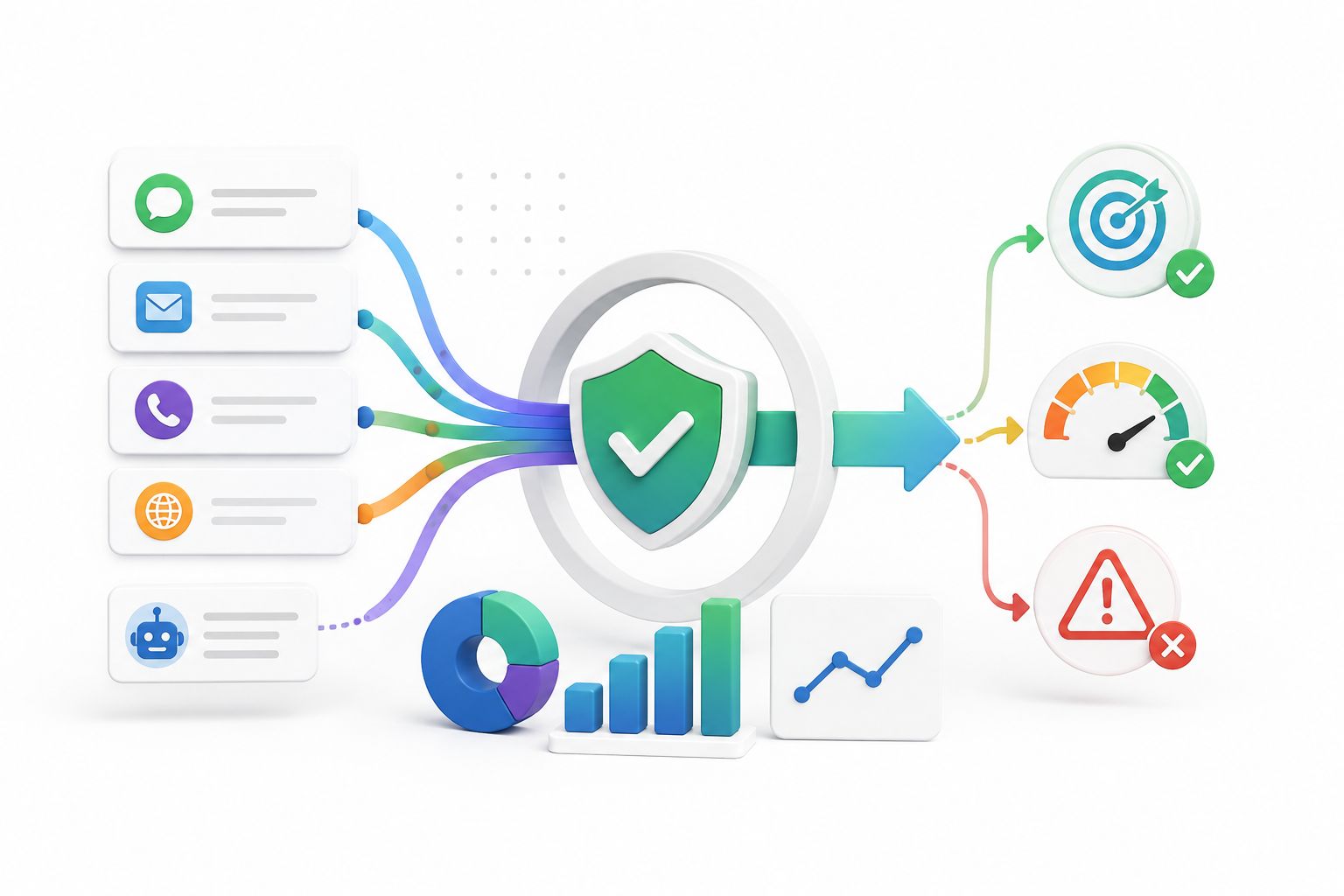
A subtle trap in cost-reduction efforts is optimizing for the wrong metric. Deflection rate counts any conversation that didn’t escalate to a human – but a customer who gets a non-answer and emails back an hour later generates a second, more expensive contact. Containment rate – full resolution with no follow-up – is the number that actually correlates with lower cost per ticket.
This is where an Analytics dashboard earns its keep. Tracking resolution rates, response times, and repeat-contact patterns by channel and by flow tells you exactly which automations are saving money and which ones are quietly creating rework. Without this visibility, teams often report strong-looking deflection numbers while their actual cost per resolved ticket barely moves.
Step 5: Choose Infrastructure You Can Own, Not Rent Forever
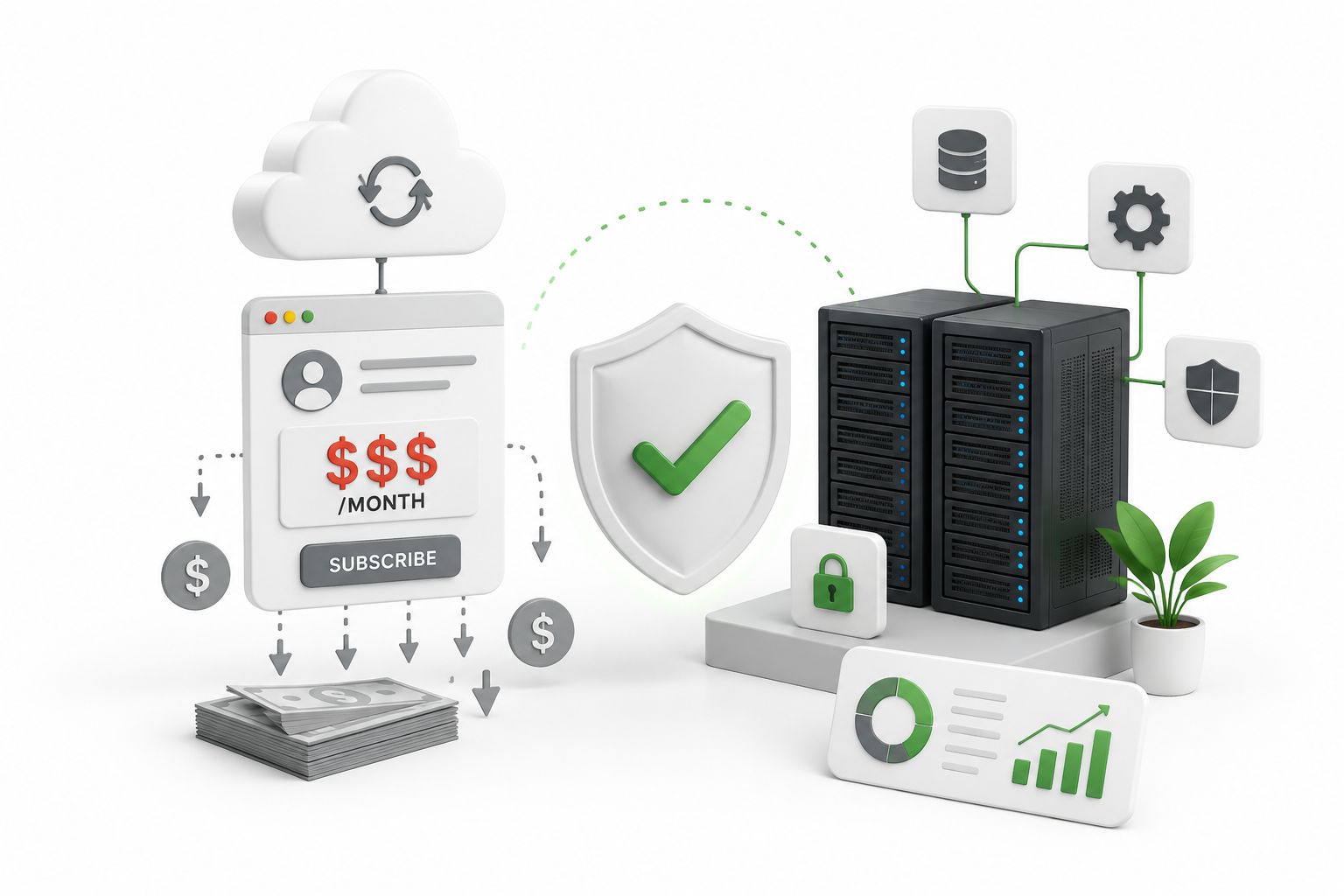
Many support automation platforms lock you into per-seat or per-conversation pricing that scales with your growth – the same problem you were trying to escape by automating in the first place. An open-source, self-hostable foundation avoids that trap entirely: you pay for infrastructure, not for every additional customer conversation.
ChatbotX is built exactly this way. It’s an open-source, agentic omnichannel platform you can self-host, extend, and white-label, with the full codebase available on GitHub for teams that want complete control over how their support automation runs. Development moves fast, and every update ships transparently – you can follow what’s new in each version through the project’s release history rather than waiting on a vendor roadmap you have no visibility into.
Putting the Playbook Together
Reducing support cost sustainably comes down to four moves working together: automate the repetitive tier with AI Agents, unify every channel into one Shared Inbox, pre-build resolution logic with a Flow Builder so spikes don’t require emergency hiring, and measure containment through Analytics so you know the automation is actually working rather than just looking like it is. None of these moves require sacrificing customer experience – done correctly, they usually improve it, since customers get instant answers on routine questions and your human agents get more time per complex case instead of less.
Get Started
If your support costs are climbing faster than your customer base, the fix isn’t more headcount – it’s a smarter routing and automation layer underneath the team you already have. ChatbotX gives you the AI Agents, Shared Inbox, Flow Builder, and Analytics to make that shift in weeks, not quarters, whether you self-host for free or start on the 7-day cloud trial. Get started with ChatbotX today and see how much of your ticket volume can run itself.